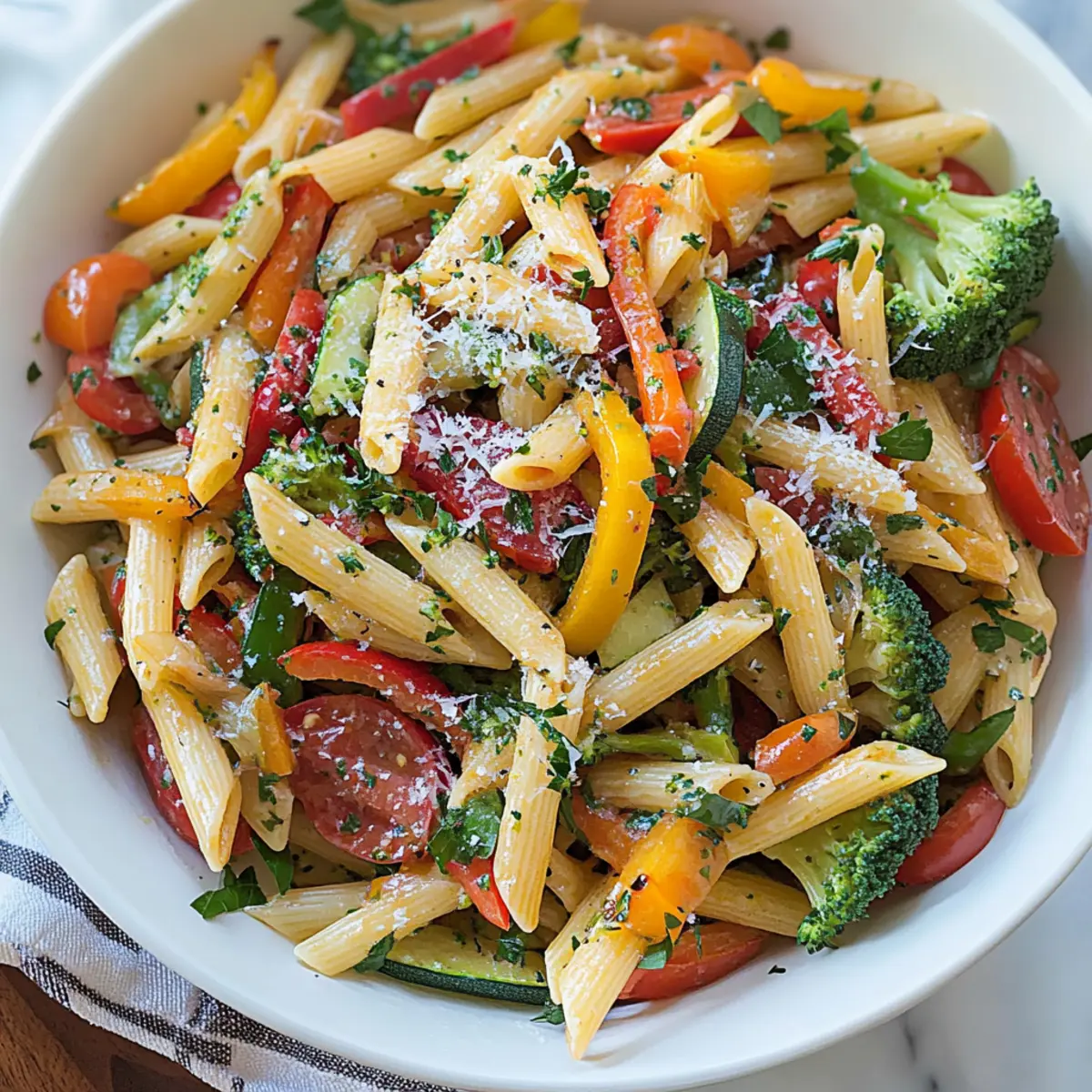
As the aroma of sautéing garlic and fresh vegetables fills the kitchen, I can’t help but feel a little excited—Pasta Primavera is on the menu tonight! This colorful dish is a delightful celebration of garden-fresh produce and perfectly cooked pasta, making it a versatile vegetarian marvel that fits every season. Not only is this Pasta Primavera quick and easy to whip up on those busy weeknights, but it’s also a great way to clean out your fridge by using whatever veggies you have on hand. Toss in some protein if you’re feeling fancy, and you’ve got a meal that’s not only satisfying but also packed with healthy goodness. Curious about the flavorful secrets that make this dish shine? Let’s dive in!
What Makes Pasta Primavera So Special?
Vibrant flavors explode in every bite, with fresh vegetables elevating this dish to a whole new level. Endless versatility allows you to mix and match seasonal vegetables and proteins, ensuring that no two versions are ever the same. Quick and easy to prepare, it’s the perfect answer to busy weeknights when you want something nourishing without the fuss. Plus, it’s a fantastic way to reduce food waste by using up any odds and ends lurking in your fridge. For an added crunch, consider pairing it with a light salad or some crispy garlic bread!
Pasta Primavera Ingredients
For the Pasta
• 10 oz. dry Barilla Penne Pasta – The sturdy base that holds all the vibrant toppings. Substitute any medium pasta shape for variety.
• Salt – Essential for seasoning; remember to generously salt the boiling water for maximum flavor.
For the Vegetables
• 1/4 cup olive oil – Adds richness while cooking the veggies; try avocado oil for a lighter nuance.
• 1/2 medium red onion, sliced – Brings a sweet depth to the dish; yellow onion is a suitable replacement.
• 1 large carrot, peeled and sliced into matchsticks – Offers a satisfying crunch; consider parsnip as an alternative.
• 2 cups broccoli florets, cut into bite-sized pieces – Pack of fiber and a beautiful color; swap with cauliflower if desired.
• 1 medium red bell pepper, sliced into matchsticks – Delivers a mild sweetness; any bell pepper color works well here.
• 1 medium yellow squash, sliced into quarter portions – Contributes a tender texture; zucchini can be used instead.
• 1 medium zucchini, sliced into quarter portions – Adds a similar flavor profile to yellow squash.
• 3 – 4 cloves garlic, minced – Key to aromatic flavor; adjust based on your love for garlic.
• 1 cup grape tomatoes, halved – Brings freshness and a touch of acidity; regular tomatoes are a fine substitute.
For the Seasoning and Finish
• 2 tsp dried Italian seasoning – Harmonizes the flavors; fresh herbs make a lovely swap.
• 1/2 cup reserved pasta water – Essential for sauce consistency; don’t forget to save some before draining!
• 2 Tbsp fresh lemon juice – Brightens every bite and balances flavors; white vinegar is a viable alternative.
• 1/2 cup shredded Parmesan cheese, divided – Adds creamy richness; Pecorino Romano lends a sharper note.
• 2 Tbsp chopped fresh parsley – Offers a pop of color and fresh flavor; basil or chives can take its place.
Exploring the wonders of Pasta Primavera is not only enjoyable but an edible journey through the seasons!
Step‑by‑Step Instructions for Pasta Primavera
Step 1: Boil the Pasta
Start by bringing a large pot of salted water to a vigorous boil over high heat. Once boiling, add 10 oz. of dry Barilla Penne Pasta, stirring occasionally. Cook according to package directions, usually about 11-13 minutes, until al dente. Before draining, reserve 1/2 cup of the cooking water to adjust the sauce later.
Step 2: Heat the Oil
While the pasta cooks, pour 1/4 cup of olive oil into a deep 12-inch skillet and place it over medium-high heat. Allow the oil to heat for about 2 minutes until it shimmers slightly. This will create a savory base for your vibrant Pasta Primavera, ready for the vegetables to shine.
Step 3: Sauté the Onions and Carrots
Add the sliced 1/2 medium red onion and 1 large carrot cut into matchsticks to the hot skillet. Sauté the vegetables for 2 minutes until the onion becomes translucent and the carrot begins to soften. This step infuses the oil with sweet onion flavor and lays the groundwork for your colorful dish.
Step 4: Add More Veggies
Next, stir in 2 cups of broccoli florets and 1 medium red bell pepper sliced into matchsticks. Sauté for an additional 2 minutes, ensuring the broccoli is bright green and the pepper is tender yet firm. This mixture will create a flavorful and vibrant base for your Pasta Primavera.
Step 5: Incorporate Squash and Zucchini
Now, add the sliced 1 medium yellow squash and 1 medium zucchini to the skillet. Continue sautéing for 2-3 minutes, cooking until the vegetables start to soften but remain crisp. This texture is essential for the perfect Pasta Primavera, contributing both flavor and color to your dish.
Step 6: Enhance with Garlic and Tomatoes
Stir in 3-4 cloves of minced garlic and 1 cup of halved grape tomatoes. Sprinkle in 2 tsp of dried Italian seasoning for an aromatic touch. Sauté for another 2 minutes until the garlic is fragrant and the tomatoes soften slightly, creating a deliciously harmonious blend of flavors.
Step 7: Mix in the Pasta
In a large serving bowl or back in the drained pasta pot, combine the sautéed vegetable mixture with the penne pasta. Gently toss the contents together, ensuring even distribution of colorful ingredients. This is where the magic of your Pasta Primavera begins to come together.
Step 8: Add Lemon and Adjust Consistency
Drizzle 2 tablespoons of fresh lemon juice over the pasta, then season with salt to taste. Toss everything together, adding reserved pasta water gradually until you reach your desired sauce consistency. The lemon will brighten the dish, balancing the flavors beautifully.
Step 9: Finish with Cheese and Herbs
Finally, mix in 1/4 cup of shredded Parmesan cheese and 2 tablespoons of chopped fresh parsley. Stir well until the cheese melts slightly and binds everything together. Serve warm, garnished with additional Parmesan and a sprinkle of optional lemon zest for an extra pop of flavor.
How to Store and Freeze Pasta Primavera
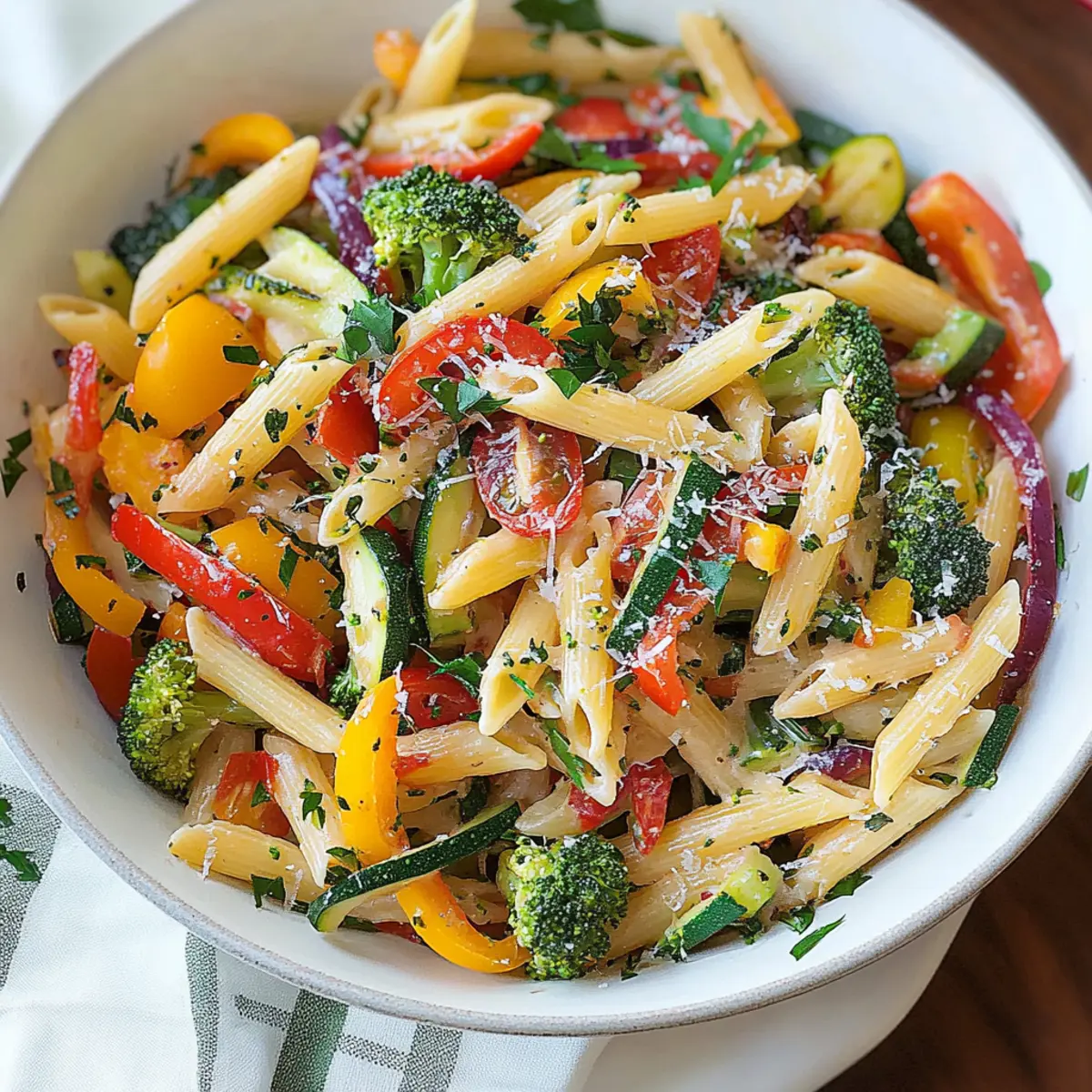
Fridge: After cooking, store leftover Pasta Primavera in an airtight container in the fridge for up to 3 days. This allows you to enjoy it again without sacrificing quality.
Freezer: For long-term storage, freeze the Pasta Primavera in a tightly sealed container for up to 3 months. Portion it out for easy reheating later!
Reheating: When ready to enjoy, thaw overnight in the fridge if frozen, and reheat gently on the stovetop with a splash of olive oil or broth to retain moisture.
Freshness Tip: Ideally, consume your Pasta Primavera soon after cooking for the best flavor and texture, using seasonal vegetables for the ultimate experience!
Pasta Primavera Variations & Substitutions
Feel free to get creative with your Pasta Primavera—it’s all about delicious customization and experimenting with flavors!
-
Seasonal Swap: Use whatever vegetables are in season! Asparagus in spring and roasted root veggies in fall both shine in this dish.
-
Protein Boost: Add grilled chicken, sautéed shrimp, or chickpeas for a satisfying source of protein, transforming it into a heartier meal.
-
Dairy-Free Option: Use nutritional yeast instead of cheese for a cheesy flavor without the dairy. It’s nutrient-packed and full of umami.
-
Gluten-Free Pasta: Switch to gluten-free pasta like quinoa or brown rice pasta to make this dish accessible for everyone without sacrificing taste.
-
Herb Explosion: Swap out dried Italian seasoning for fresh herbs like basil or thyme for a burst of flavor and vibrant color.
-
Cheese Alternatives: Try crumbled goat cheese or feta instead of Parmesan to impart a tangy, creamy twist that complements the veggies perfectly.
-
Extra Heat: Want a kick? Add a pinch of red pepper flakes or diced jalapeños to spice things up for those who love a little heat in their meals.
-
Creamy Upgrade: For a richer sauce, stir in a splash of cream or a dollop of cream cheese before serving for an extra creamy texture.
Don’t forget, you can also explore other fabulous dishes like this Tomato Garlic Pasta or a soulful Cajun Chicken Pasta for even more flavorful inspiration!
Make Ahead Options
Preparing this vibrant Pasta Primavera in advance is a fantastic way to save time during busy weeknights! You can chop all your vegetables and cook the pasta up to 24 hours ahead; simply store them separately in airtight containers in the fridge to maintain their freshness. To further streamline, sauté the vegetables without the garlic, as adding it fresh will keep its flavor vibrant. When ready to serve, combine the cooked penne and veggies in a skillet, toss in the garlic and seasoning, and warm everything gently until heated through. Just add the lemon juice, reserved pasta water, and Parmesan at the end for a dish that tastes just as delicious as when freshly made!
Expert Tips for Pasta Primavera
-
Seasonal Choices: Using seasonal vegetables enhances freshness and flavor, so don’t hesitate to explore local produce markets for the best options each season.
-
Don’t Overcook: Avoid mushy vegetables! Sauté until they are just tender but still vibrant and crisp, maintaining that garden-fresh crunch in your Pasta Primavera.
-
Pasta Water Magic: Always reserve some pasta cooking water before draining. This starchy liquid is perfect for adjusting sauce consistency to achieve the ideal creamy texture.
-
Garlic Control: Adjust the amount of garlic according to your taste preference. Fresh garlic adds a punch, but too much can overpower the dish’s delicate balance.
-
Experimenting with Cheeses: Don’t hesitate to mix it up with different cheese options for unique flavors. Pecorino Romano or even a sprinkle of feta can elevate your Pasta Primavera to new heights.
What to Serve with Pasta Primavera
Looking to complete your delightful Pasta Primavera experience? Consider these wonderful pairings that harmonize beautifully with the dish’s fresh, vibrant flavors.
-
Garlic Bread: A crunchy, buttery addition that complements the lightness of the Pasta Primavera, soaking up every last drop of its flavorful sauce.
-
Caesar Salad: Crisp romaine and creamy dressing enhance the meal, providing contrast to the warm, tender pasta and vegetables.
-
Roasted Asparagus: With its earthy notes and slight crunch, it creates a lovely balance while adding seasonal freshness to your meal.
-
Lemon Basil Sparkling Water: This refreshing drink has zesty notes that echo the lemon in the pasta, making it a perfect, uplifting sip alongside your dinner.
-
Caprese Skewers: Fresh mozzarella, tomatoes, and basil on skewers add a bite-sized touch of Italy, enhancing the overall Mediterranean experience.
-
Fruit Sorbet: A light, fruity dessert pairs wonderfully with the pasta’s richness, offering a refreshing, sweet conclusion to your meal.
Immerse yourself in this experience, where each side and drink beautifully complements your vibrant Pasta Primavera!
Pasta Primavera Recipe FAQs
What vegetables are best for Pasta Primavera?
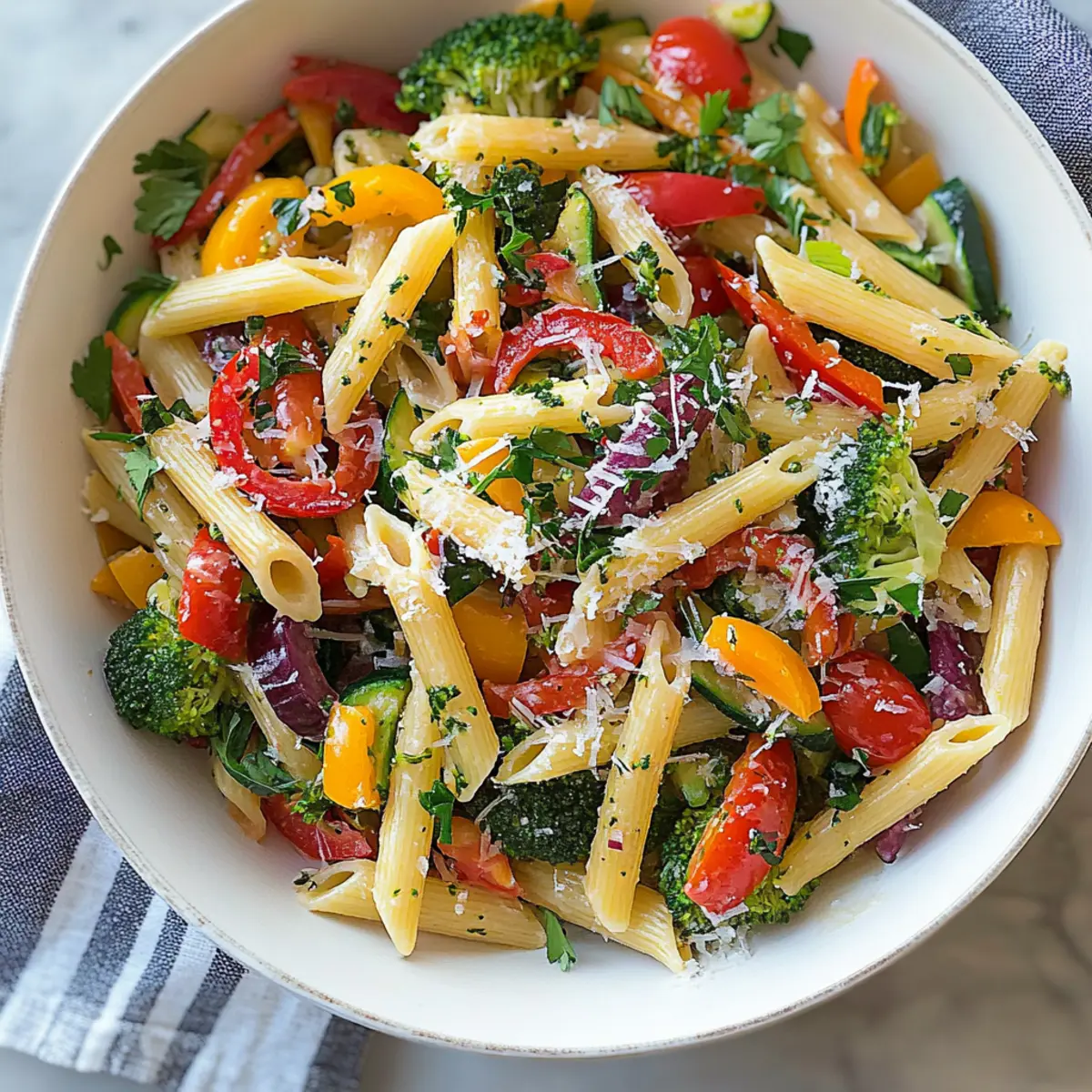
Absolutely! One of the beautiful aspects of Pasta Primavera is its versatility. Use a mix of fresh seasonal vegetables for the best flavor; think broccoli, bell peppers, zucchini, and carrots. If you’re looking for alternatives, asparagus in spring or sweet root vegetables in fall make delightful substitutes. The more the merrier, so feel free to experiment based on what you have on hand!
How long can I store leftover Pasta Primavera?
You can keep leftover Pasta Primavera in an airtight container in the fridge for up to 3 days. Make sure to allow it to cool completely before sealing it to preserve freshness. When you’re ready to dig in again, simply reheat it on the stovetop while adding a splash of olive oil or broth to bring back that creamy texture!
Can I freeze Pasta Primavera?
Yes, you can! To freeze Pasta Primavera, first, let it cool down completely. Then, pack it into a tightly sealed container or zip-top freezer bags, making sure to remove as much air as possible. It can last in the freezer for up to 3 months. When you’re ready to enjoy it, thaw it overnight in the fridge and reheat on low heat, stirring in a little olive oil or broth for moisture.
What should I do if my pasta turns mushy?
Overcooked pasta can be quite disappointing! To avoid this in the future, be sure to cook the pasta just until al dente, following package instructions closely. If it does end up mushy, try adding it to a sautéed vegetable mixture along with some fresh spices or herbs to help mask the texture—while it won’t be the same, it can still be quite tasty!
Are there any dietary considerations I should keep in mind for Pasta Primavera?
Certainly! Pasta Primavera is a vegetarian-friendly dish, making it a great option for those following a plant-based diet. If you’re serving it to someone with allergies, be cautious with the cheese—opt for dairy-free alternatives if needed. Always check labels for gluten if using non-pasta components. And for those with pets, keep any leftovers away from them, especially anything seasoned!
How can I make Pasta Primavera more protein-rich?
To enhance the protein content, consider adding grilled chicken, shrimp, or even chickpeas for a vegetarian option. You can incorporate these during the cooking process—simply sauté them with the vegetables or stir them in at the end. This way, you’ll have a deliciously balanced meal while maintaining the vibrant flavors that make Pasta Primavera so special!
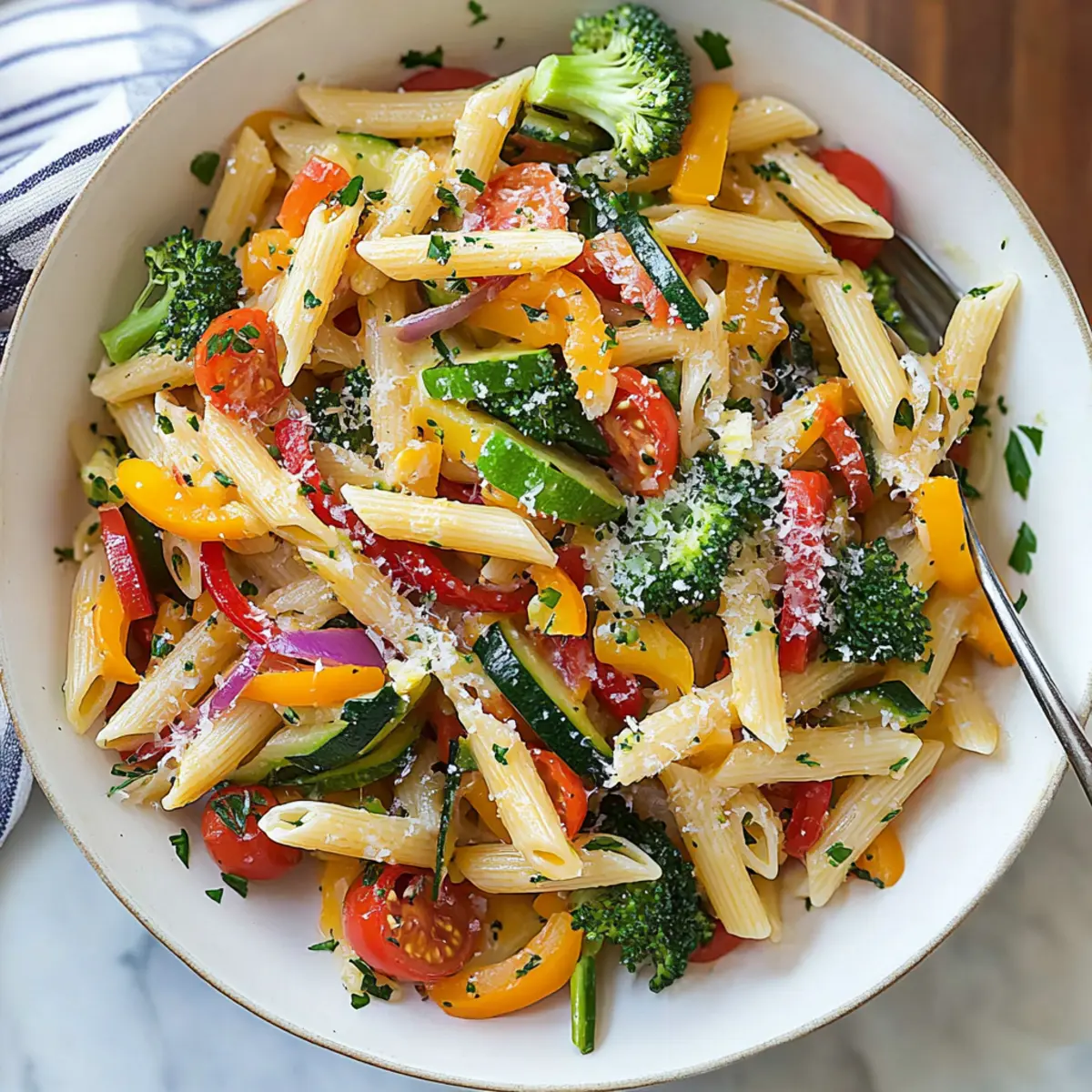
Vibrant Pasta Primavera That Elevates Any Weeknight Dinner
Ingredients
Equipment
Method
- Start by bringing a large pot of salted water to a vigorous boil over high heat. Once boiling, add 10 oz. of dry Barilla Penne Pasta, stirring occasionally. Cook according to package directions, usually about 11-13 minutes, until al dente. Before draining, reserve 1/2 cup of the cooking water to adjust the sauce later.
- While the pasta cooks, pour 1/4 cup of olive oil into a deep 12-inch skillet and place it over medium-high heat. Allow the oil to heat for about 2 minutes until it shimmers slightly.
- Add the sliced 1/2 medium red onion and 1 large carrot cut into matchsticks to the hot skillet. Sauté the vegetables for 2 minutes until the onion becomes translucent and the carrot begins to soften.
- Next, stir in 2 cups of broccoli florets and 1 medium red bell pepper sliced into matchsticks. Sauté for an additional 2 minutes, ensuring the broccoli is bright green and the pepper is tender yet firm.
- Now, add the sliced 1 medium yellow squash and 1 medium zucchini to the skillet. Continue sautéing for 2-3 minutes, cooking until the vegetables start to soften but remain crisp.
- Stir in 3-4 cloves of minced garlic and 1 cup of halved grape tomatoes. Sprinkle in 2 tsp of dried Italian seasoning for an aromatic touch. Sauté for another 2 minutes until the garlic is fragrant and the tomatoes soften slightly.
- In a large serving bowl or back in the drained pasta pot, combine the sautéed vegetable mixture with the penne pasta. Gently toss the contents together, ensuring even distribution of colorful ingredients.
- Drizzle 2 tablespoons of fresh lemon juice over the pasta, then season with salt to taste. Toss everything together, adding reserved pasta water gradually until you reach your desired sauce consistency.
- Finally, mix in 1/4 cup of shredded Parmesan cheese and 2 tablespoons of chopped fresh parsley. Stir well until the cheese melts slightly and binds everything together.