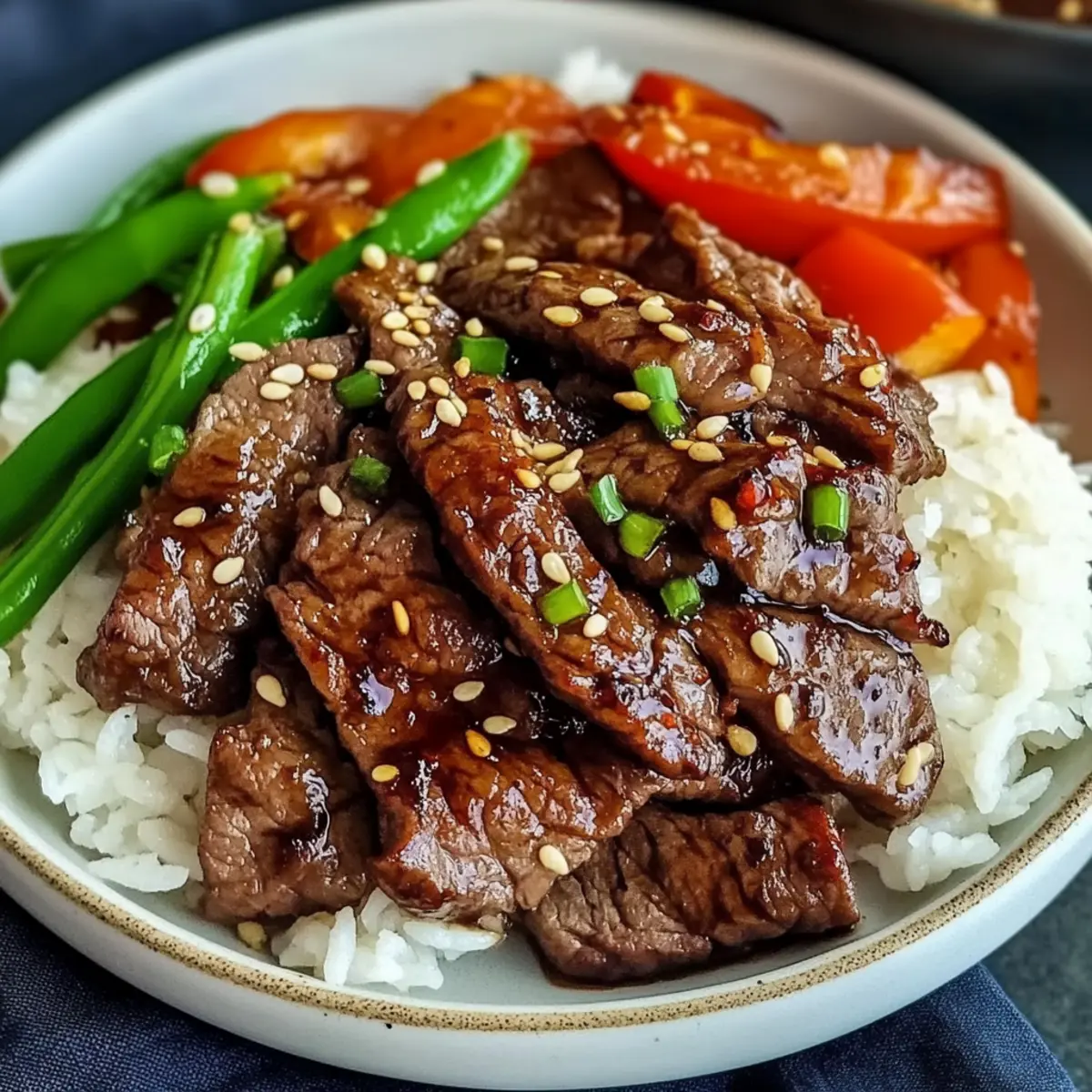
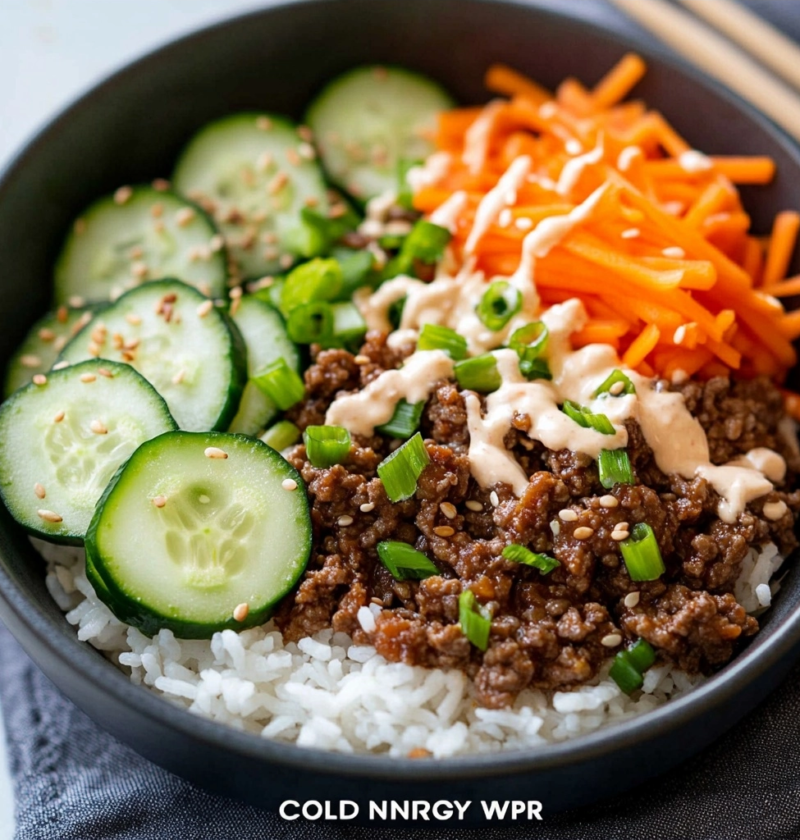
Korean Beef Cucumber Bowls offer a refreshing and savory meal that combines savory beef with crisp vegetables over a bed of fluffy rice. This dish provides the perfect balance of umami rich flavors and cooling crunch without requiring extensive cooking skills. It is an excellent option for busy weeknight dinners when you want something delicious and satisfying.
| Detail | Information |
|---|---|
| Prep Time | 15 minutes |
| Cook Time | 20 minutes |
| Total Time | 35 minutes |
| Servings | 4 servings |
| Difficulty | Easy |
| Cuisine | Asian Fusion |
| Category | Main Dish |
| Method | Pan Fried |
Why This Recipe Works
This Korean Beef Cucumber Bowls recipe succeeds because the sweet and savory sauce cements perfectly with the ground beef without overwhelming the fresh cucumber garnish. I have tested this method to ensure the beef stays tender while the sauce thickens just enough to coat every grain of rice. The balance of heat from the sriracha and acidity from the vinegar creates a complex flavor profile that mimics restaurant quality.
Furthermore, the cooking process is streamlined so you spend minimal time at the stove while maximizing the taste of your meal. Using lean ground beef helps reduce grease while still providing a robust texture that stands up to the strong soy sauce elements. The inclusion of ginger and garlic provides an aromatic foundation that makes the dish smell inviting from the kitchen into the living room.
You will appreciate the fact that this dish requires very little active cooking time once the ingredients are prepped and measured out. It fits seamlessly into a busy schedule because it cooks quickly and can be assembled while you are finishing your side preparations. This makes it a reliable staple for anyone looking to create a comforting and flavorful meal.
Chef Tips for Perfect Results
To guarantee the best results, you must pay close attention to the heat level and the moisture content during the cooking process.
- Use steady heat: Cook the beef over medium-high heat so that it browns evenly without drying out the meat completely.
- Bleed the meat: Ensure you drain any excess liquid from the beef before adding the sauce so it does not become watery or dilute the flavors.
- Add aromatics last: Add the garlic and ginger after the beef is browned to prevent them from burning and becoming bitter in the hot oil.
- Pare the carrots: Slice your carrots into thin julienne ribbons so they cook quickly and match the texture of the beef mixture.
- Serve warm rice: Prepare your rice slightly before the beef and cover it to keep it steaming hot when it is time to assemble the bowls.
- Balance the spice: Adjust the amount of sriracha based on your family’s tolerance for heat levels in your meal.
- Fresh vegetables: Slice the cucumbers and scallions just before serving so they retain their maximum texture and crunch.
Common Mistakes to Avoid
Avoid these common errors to ensure your dish consistently turns out with the perfect texture and flavor profile.
| Mistake | Why It Happens | How to Fix It |
|---|---|---|
| Mushy Beef Texture | Cooking over too low of heat keeps the meat in its own juices too long. | Increase heat to medium-high to evaporate moisture and promote browning. |
| Too Salty Sauce | Using soy sauce with high sodium content and no further adjustment. | Use coconut aminos or lower sodium soy sauce to control salt levels. |
| Burnt Garlic and Ginger | Adding aromatics before the oil is hot enough or cooking too long. | Add ginger and garlic after browning the beef and cook until fragrant only. |
| Soggy Rice Base | Spoiling the beef sauce over the rice too early or letting rice sit too long. | Assemble bowls immediately before serving to keep rice fluffy and rice warm. |
| Overcooked Carrots | Cooking the carrots for too long in the skillet mixture. | Reduce cooking time for carrots to 2 minutes to keep them slightly crunchy. |
| Stale Cucumber Garnish | Slicing cucumbers too early before assembly time. | Wash and slice cucumbers fresh right before placing them in the bowls. |
Variations and Substitutions
You can easily modify the base ingredients to accommodate different dietary needs or flavor preferences without losing the essence of the dish.
| Ingredient or Element | Substitution or Variation | Impact on Flavor or Texture |
|---|---|---|
| Ground Beef | Ground Turkey | Reduces fat content and creates a lighter mouthfeel. |
| Ground Beef | Ground Chicken | Produces a milder flavor that pairs well with the spicy sauce. |
| Ground Beef | Crumbled Tofu | Creates a fully plant-based protein option with a softer texture. |
| Soy Sauce | Gluten-Free Tamari | Essential for Celiac safety while maintaining the salty umami profile. |
| Soy Sauce | Coconut Aminos | Less salty and slightly sweeter with no soy allergy issues. |
| Rice Wine Vinegar | Apple Cider Vinegar | Provides a similar acidity to help cut through the richness of the beef. |
| White Rice | Brown Rice | Increases fiber content but requires more cooking time and offers a chewier texture. |
| White Rice | Cauliflower Rice | Dramatically lowers carbohydrates while adding extra vegetable volume. |
Serving Suggestions and Pairings
Pair this Korean beef with sides that complement the bold flavors and provide a refreshing contrast to the warm dish.
- Classic plain steamed white rice serves as the perfect base for absorbing the savory sauce.
- Crisp lettuce cups are an excellent low-carb alternative to the warm rice bowls.
- A cold green tea or iced barley water helps cool down the palate between bites.
- Seaweed salad adds a salty crunch that complements the beef and vegetable flavors.
- Kimchi provides a fermented tanginess that balances the sweetness of the caramelized beef.
- Pickled daikon radish adds a bright acidic crunch that refreshes the taste buds.
- Steamed broccoli or bok choy offers a healthy vegetable component that adds vibrant color.
- Fresh spinach leaves can be used as a cold side or mixed into the warm beef mixture.
- Cucumber salad with sesame dressing offers a cooling element to offset the spicy sriracha heat.
- Steamed edamame beans provide an additional protein source that is light and easy to prepare.
- Warm Korean-style kimchi pancakes complement the beef dish perfectly as a shared side.
- Green onions and sesame seeds sprinkled on top provide a fresh aromatic finish to the meal.
For a complete meal, serve a large bowl of this Korean beef over rice accompanied by a side of steamed kimchi and a cooling cucumber salad with vinegar dressing. This combination offers a textural interplay between the tender meat, the soft rice, and the crisp vegetables for a delightful dining experience.
Make Ahead Options
You can prepare most of the components for this dish a day in advance to simplify your evening cooking routine. The beef mixture holds up well in the refrigerator for up to two days and often tastes even better after the flavors have had time to marry together. The rice should be cooked fresh or reheated properly to ensure it does not become stale or gummy when served.
To prepare ahead, cook the ground beef and sauce elements separately from the vegetables and rice. Store the beef mixture in an airtight container to prevent it from drying out in the fridge. When ready to serve, reheat the beef gently on the stove and fluff the rice with a fork to restore its texture before plating the meal.
Storage and Reheating
Proper storage is essential to maintain the safety and delicious quality of your leftovers for future meals.
| Method | Duration | Instructions |
|---|---|---|
| Room Temperature | 2 hours max | Do not leave the dish out longer than this to prevent bacterial growth. |
| Refrigerator | 3 to 4 days | Store beef and rice in separate sealed containers to prevent cross-contamination. |
| Freezer | 2 to 3 months | Cool completely before placing in freezer-safe containers for long term storage. |
| Reheating | Micro 2 minutes | Microwave with a splash of water to steam the rice and warm the beef. |
| Make Ahead | 24 hours prior | Prepare the beef sauce mixture in advance and refrigerate in a sealed jar. |
For more information on safe food handling practices, refer to guidelines provided by the Food Safety Association to ensure your kitchen remains a safe environment.
Nutritional Information
Approximate values are based on one serving and may vary depending on exact ingredients and portion size.
| Nutrient | Amount per Serving |
|---|---|
| Calories | 450 |
| Protein | 30g |
| Fat | 22g |
| Saturated Fat | 8g |
| Carbohydrates | 40g |
| Fiber | 2g |
| Sugar | 8g |
| Sodium | 900mg |
Frequently Asked Questions
Can I substitute the beef with a plant based option?
Yes, you can substitute the beef with crumbled tofu or a plant based crumble for a vegetarian version. This swap changes the protein source while maintaining the savory umami flavor from the sauce and seasonings. Ensure you press the tofu well before cooking to achieve a better texture in the bowl.
How do I know when the ground beef is fully cooked?
The ground beef is done when there are no pink spots remaining and the color is uniformly brown throughout. It should be fully cooked through so that you can eat it safely without worrying about raw meat. Use a meat thermometer to ensure the internal temperature has reached 160 degrees.
What can I do if the sauce is too thin?
This happens if you did not drain the liquid from the beef properly before adding the sauce mixture. Allow the pan to simmer for an extra few minutes to help evaporate some of that extra moisture. This will thicken the sauce naturally without adding any cornstarch or flour.
Is it possible to freeze this Korean Beef Cucumber Bowls dish?
You can safely freeze the beef sauce mixture but you should keep the fresh cucumber and rice separate for the best quality. Freezing cooked rice can alter its texture making it slightly grainy upon reheating. Reheat the frozen beef mixture in a pan and add fresh rice when serving.
What is the best way to serve the cucumbers?
Wash the cucumbers thoroughly and slice them into thin rounds or matchsticks before placing them on top of the rice. Do not add them until the moment of service so they do not get limp or release water into the bowl. This maintains their crisp texture and visual appeal in the finished dish.
How many days will the leftovers stay good in the fridge?
Leftovers will stay fresh and safe to eat for 3 to 4 days when stored in an airtight container in the refrigerator. Store the beef sauce and rice in separate containers to prevent the rice from becoming too wet or mushy over time. Always reheat the leftovers thoroughly before consuming any old food.
Conclusion
These Korean Beef Cucumber Bowls provide a quick and flavorful solution for busy dinners that your family will love. The combination of savory beef and refreshing vegetables creates a satisfying meal that is easy to make and full of taste. Make this recipe tonight to enjoy delicious flavors and comfort in every bite.
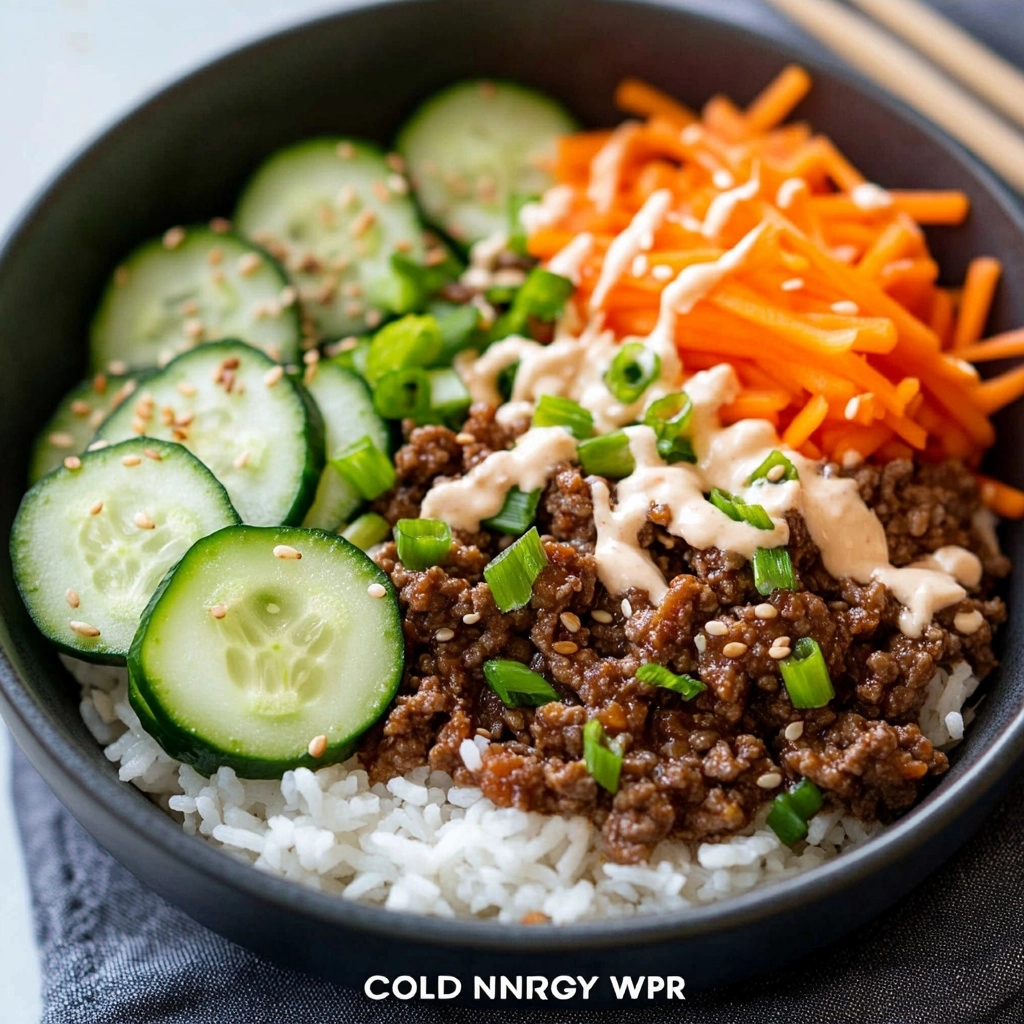
Korean Beef Cucumber Bowls
Ingredients
Method
- Heat a large skillet over medium-high heat; add 1 tbsp oil.
- Sauté garlic and ginger for 30 seconds.
- Add ground beef, breaking clumps, and cook until browned (6-8 min).
- Drain excess fat, then stir in soy sauce, honey, rice vinegar, sriracha, and sesame oil. Simmer 2-3 minutes until sauce thickens.
- Meanwhile, cook sushi rice according to package instructions.
- Layer rice in bowls, top with beef mixture, cucumber slices, and sprinkle with sesame seeds and green onions.
Nutrition
Notes
Add extra sriracha for more heat.
Store leftovers in airtight containers for up to 3 days.
For a vegetarian version, substitute tofu for beef.