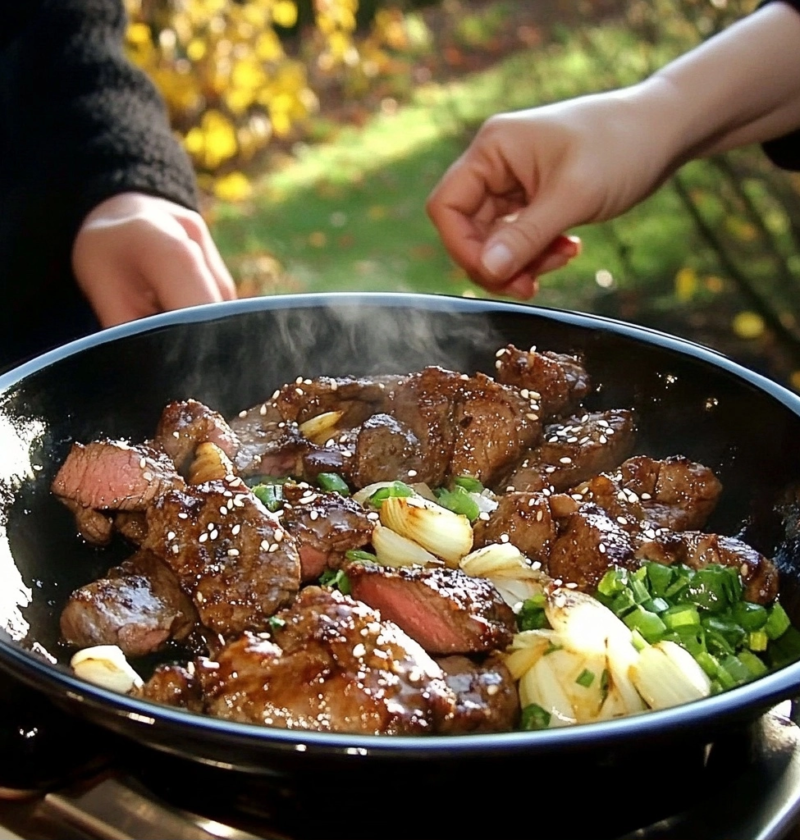
Korean BBQ represents a vibrant culinary experience centered on interactive table grilling and richly flavored meats. This dish combines savory umami tones with sweet fruit components to create a uniquely tender and aromatic meal that appeals to all ages. The preparation relies on specific ingredients like Asian pear and toasted sesame oil to elevate standard beef cuts into premium dining quality without requiring a chef. You will prepare a flavorful marinade that transforms humble beef tenderloin into a centerpiece perfect for communal gatherings. The cooking method brings out the natural juices while caramelizing the sugars for a satisfying char.
| Detail | Information |
|---|---|
| Prep Time | 20 minutes |
| Cook Time | 15 minutes |
| Total Time | 35 minutes |
| Servings | 4 people |
| Difficulty | Easy |
| Cuisine | Korean |
| Category | Main Course |
| Method | Grilling |
Why This Recipe Works
This preparation succeeds because it utilizes enzymatic tenderization found naturally in Asian pears to soften the muscle fibers of the beef. The balance of soy sauce and brown sugar creates a glaze that adheres well to the meat during high heat exposure. Fresh garlic and ginger contribute aromatic spices that penetrate the meat without overpowering the natural beef flavor. The inclusion of green onions adds a necessary crunch when eaten as part of the final wrap. Cooking time is optimized to prevent drying out the thin slices of the tenderloin while ensuring a delicious char develops.
The marinade ingredients work synergistically to lock in moisture before the meat hits the heat. Carbohydrates from the pear and sugar break down proteins on the surface, resulting in a more palatable texture for families. This method reduces the need for chemical enhancers or excessive salt in the final dish. You gain control over the sweetness and saltiness levels to suit personal family preferences. It remains a versatile dish that adapts well to different cut sizes and grilling equipment availability.
Marinating for a minimum of thirty minutes allows the flavors to distribute evenly throughout the meat. Overnight marination provides a deeper profile that many traditionalists consider superior for flavor intensity. The quick cooking time ensures that dinner is ready within a half hour of starting the process. This efficiency makes it an excellent choice for busy weeknights when you still want home-cooked quality. The visual appeal of the caramelized surface encourages children to eat their vegetables and meat with equal enthusiasm.
Using high quality beef tenderloin ensures that the final product is rich and buttery in texture. Slicing the meat thinly before cooking reduces the physical effort required for chewing. The heat method locks in the savoriness from the soy sauce while the pear adds a subtle sweetness. You avoid the common pitfall of overcooking by relying on the thin slices that cook very rapidly. This technique guarantees a tender bite that melts in the mouth rather than requiring extensive mastication.
Chef Tips for Perfect Results
Begin by slicing the beef against the grain to maximize tenderness and reduce chewiness in the final bite.
- Marinate temperature: Keep the meat in the refrigerator during the marinating period to prevent bacterial growth and spoilage.
- Pear selection: Use Asian pears for higher water content which aids in breaking down meat fibers more effectively than regular apples.
- Soy sauce type: Choose low sodium soy sauce if you plan to add salty dipping sauces later to avoid over-salting.
- Heat distribution: Ensure your grill or pan is preheated well before adding the meat to prevent sticking and ensure searing.
- Oil usage: Toast the sesame oil before adding it to the mix to release a deeper nutty aroma that enhances the profile.
- Slice orientation: Cut the beef into bite-sized strips that can be easily wrapped in lettuce leaves for serving.
- Negative space: Do not overcrowd the pan so the heat can circulate and prevent steaming the meat instead of searing it.
- Resting period: Let the meat rest for five minutes before serving to allow the juices to redistribute throughout the fibers.
Common Mistakes to Avoid
Home cooks often ruin this dish by over-marinating for too long which can make the texture mushy rather than tender.
| Mistake | Why It Happens | How to Fix It |
|---|---|---|
| Sticking to Pan | Surface was not hot enough | Preheat the pan thoroughly before adding fat and meat. |
| Soggy Meat Texture | Pear or enzyme was active too long | Rinse beef and limit marinating time to under six hours. |
| Overly Salty Taste | Soy sauce addition was excessive | Taste the marinade before adding meat and adjust sugar. |
| Undercooked Center | Slices were cut too thick | Ensure slices are paper thin before cooking. |
| Burnt Edges | Heat was too intense | Reduce flame to medium-high to control charring. |
| Dry Meat | Cooking took too long | Monitor pan constantly and remove once browned. |
| Bland Flavor | Spices were too mild | Increase garlic and ginger amounts for stronger kick. |
Variations and Substitutions
You can easily adapt this recipe to accommodate different dietary needs and flavor preferences without losing the core essence of the dish.
| Ingredient or Element | Substitution or Variation | Impact on Flavor or Texture |
|---|---|---|
| Beef Tenderloin | Thin sliced flank steak | More robust beef flavor but requires slower cooking. |
| Asian Pear | Fresh pineapple chunks | Introduces a tropical sweetness and different acidity level. |
| Brown Sugar | Honey or agave syrup | Provides a smoother texture and distinct floral note. |
| Soy Sauce | Coconut aminos | Reduces sodium content and adds a milder savory taste. |
| Sesame Oil | Avocado oil | Limits nuttiness and provides a neutral cooking fat base. |
| Carrots | Sliced bell peppers | Enhances color contrast and adds crunchy texture to wraps. |
| Rice Syrup | Maple syrup | Changes sweetness profile to a richer woodsy flavor. |
| Green Onion | Shallots | Delivers a sharper bite and deeper aromatic flavor. |
| Black Pepper | White pepper | Offers a slightly hotter spice heat common in Asian cooking. |
Serving Suggestions and Pairings
Serving this dish authentically involves providing sides that complement the rich flavors and allow for interactive eating.
- Serve with steamed white short grain rice to soak up extra marinade juices.
- Provide large fresh lettuce leaves for wrapping the meat and side ingredients.
- Include ssamjang dipping sauce to add spicy and savory depth to each bite.
- Offer sliced raw garlic cloves for an intense aromatic punch for guests.
- Prepare kimchi on the side to cut through the richness with fermentation acidity.
- Pack cold kimchi pancakes to accompany the main meat courses.
- Offer cucumber salad to provide a refreshing contrast to the hot grilled item.
- Serve with cold barley tea to cleanse the palate between servings.
- Provide thin slices of pickled radish for extra crunch and sweetness.
- Arrange fresh herbs like perilla leaves for an additional unique garnish option.
- Include bean sprouts as a lighter vegetable option for the wraps.
- Prepare sweet potato skewers to add a comforting starch element.
A complete meal idea includes a bowl of fragrant rice, a platter of the marinated beef, a stack of crisp lettuce, and a variety of side dishes like kimchi and sliced radish. This combination creates a balanced plate with protein, carbohydrates, and vegetables all at once. Guests can assemble their own wraps allowing for a personalized dining experience that encourages conversation.
Make Ahead Options
Yes, you can prepare the marinade mixture and the meat combination one day in advance to simplify cooking time. The beef benefits significantly from resting in the refrigerator overnight to absorb the enzymatic action of the pear. You must store the marinated beef in an airtight container to prevent cross contamination with other foods.
The texture improves after the extended time inside the cold environment as the meat tenderizes further. You should remove the beef from the fridge thirty minutes before cooking to allow it to reach room temperature which ensures even cooking. Do not add the sesame oil until you are ready to cook to prevent the oil from becoming rancid if stored too long. Cover the container tightly with plastic wrap or transfer to a vacuum seal bag to maximize freshness.
Storage and Reheating
Proper storage techniques are essential to maintain freshness and prevent foodborne illness in cooked meat products.
| Method | Duration | Instructions |
|---|---|---|
| Room Temperature | 2 hours maximum | Keep cooked meat covered in a cool environment away from direct sun. |
| Refrigerator | 3 to 4 days | Store in a sealed glass or plastic container in the cold section. |
| Freezer | 2 to 3 months | Portion into bags and remove as much air as possible before sealing. |
| Reheating | 1 to 2 minutes | Use a skillet over medium heat to revive the flavor and warmth. |
| Make Ahead | Up to 24 hours | Keep raw beef mixed with marinade in the fridge until ready to cook. |
Nutritional Information
Approximate values are based on one serving and may vary depending on exact ingredients and portion size.
| Nutrient | Amount per Serving |
|---|---|
| Calories | 350 kcal |
| Protein | 30 grams |
| Fat | 15 grams |
| Saturated Fat | 5 grams |
| Carbohydrates | 20 grams |
| Fiber | 1 gram |
| Sugar | 10 grams |
| Sodium | 800 mg |
Frequently Asked Questions
Can I use different cuts of meat?
Absolutely, flank steak or sirloin can replace tenderloin for a heartier taste profile. Thicker cuts require longer marination times to ensure the meat becomes palatable before grilling. You just need to ensure the slices are cut evenly to manage cooking speed accurately.
How do I know when the beef is fully cooked?
The meat should turn opaque brown throughout with no pink areas visible on the surface. Internal temperature reaches approximately 145 degrees Fahrenheit for medium doneness standards. A quick glance at the edges will tell you when to flip for even heat distribution.
What should I do if the meat sticks to the grill?
Ensure the grill grates are clean and well-oiled before placing the marinated meat on top. Do not try to force the beef off the grate as it will tear and lose valuable juices. Wait until a crust forms so the meat naturally releases from the surface easily.
Is this dish suitable for kids?
Kids generally enjoy the sweetness from the pear and sugar components mixed with the beef flavor. You can adjust the soy sauce to be lower in sodium for younger palates safely. Providing lettuce wrappers makes the eating process fun and interactive for children.
What is the best Korean BBQ side dish?
Kimchi is the most traditional and essential accompaniment to this specific beef preparation. Its spicy fermented flavor provides a balance that enhances the umami of the main dish. You can also serve cucumber salad for a cooling effect to the palate.
How does Korean BBQ marinating affect the beef?
The enzymes found in the Korean pear naturally break down proteins to create a tender texture. Sugars in the marinade help form a caramelized crust when exposed to high cooking temperatures. This chemical process results in a juicier bite that is easier to chew for everyone at the table.
Conclusion
This easy Korean BBQ beef marinade recipe delivers a delightful dining experience that is simple enough for beginners yet flavorful enough for enthusiasts. The combination of savory soy and sweetness from the Asian pear creates a dish that satisfies every craving. You can serve this to your family any night of the week and enjoy the comfort of fresh ingredients. Embrace the texture and taste of this popular recipe at home today.
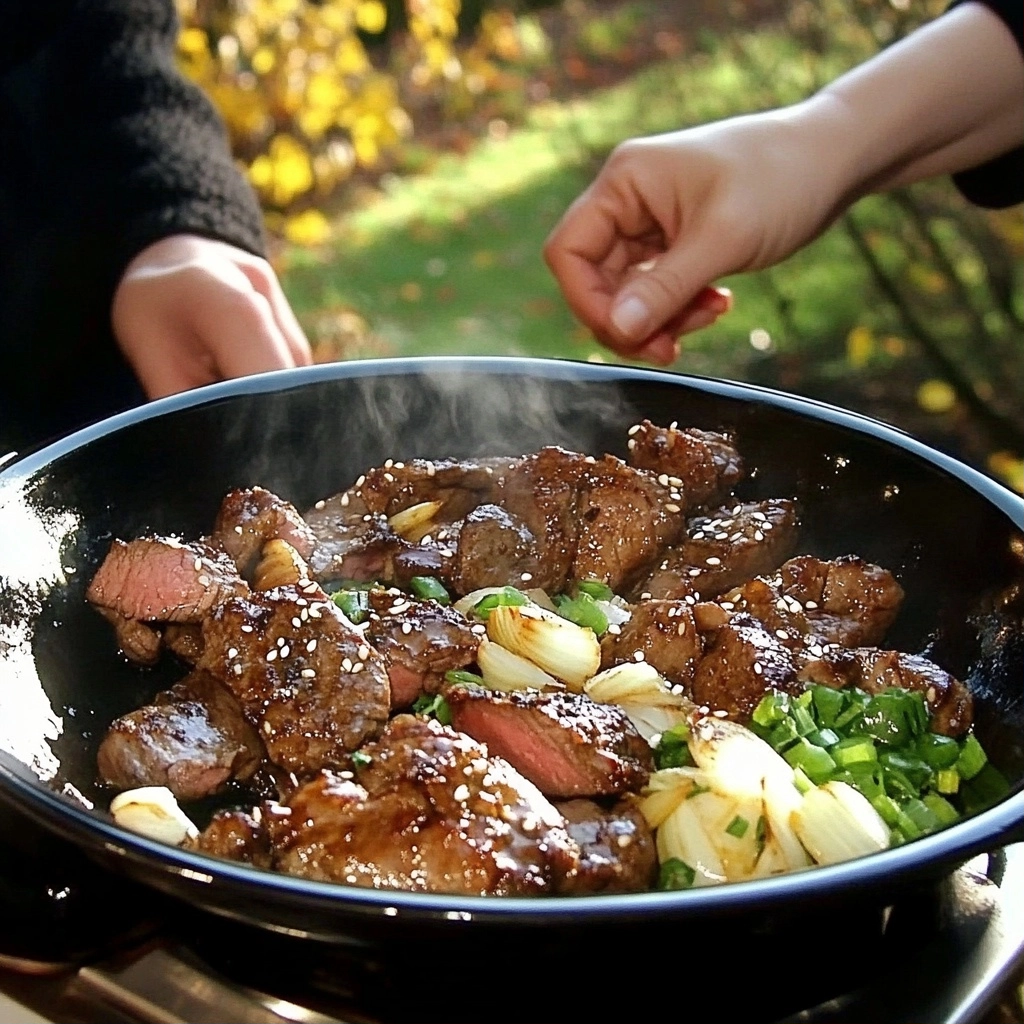
Korean BBQ Beef Marinade Recipe for Family Dinners
Ingredients
Method
- In a large bowl, combine Asian pear, soy sauce, sesame oil, brown sugar, garlic, ginger, and black pepper.
- Add beef strips to the marinade and toss until fully coated.
- Refrigerate for at least 30 minutes (or overnight for deeper flavor).
- Preheat grill or grill pan to high heat (450°F/230°C).
- Sear beef for 1–2 minutes per side until caramelized and slightly charred.
- Garnish with green onions before serving.