Hibiscus Iced Tea is a vibrant, caffeine-free beverage that’s easy to make in large batches for gatherings or everyday sipping. This infusion delivers a tart-fruity brightness that awakens the palate and pairs well with light snacks. The process highlights the hibiscus notes without overwhelming sweetness, keeping the drink refreshing and balanced. With adaptable spice and citrus touches, it suits hot afternoons, brunches, and casual entertaining.
| Detail | Information |
|---|---|
| Prep Time | 15 minutes |
| Cook Time | 20 minutes |
| Total Time | 1 hour |
| Servings | 8 |
| Difficulty | Easy |
| Cuisine | American |
| Category | Easy Recipes |
| Method | Boiling, Steeping, and Chilling |
Why This Recipe Works
This recipe works because it leans on a simple hibiscus infusion that delivers bold color and bright acidity without overloading the palate with sweetness. I start with a clean sugar balance and use gentle heat so the flavor extracts cleanly from the petals. The result is a thirst-quenching drink with a crisp finish that remains refreshing after hours in the pitcher.
In practice, the key is controlling the steep time and the dilution with cold water to maintain acidity and fragrance. By letting the hibiscus steep just long enough, you preserve the tart floral notes while avoiding a tarty, astringent edge. The optional spices offer warmth without overpowering the hibiscus personality, making this iced tea flexible for different seasons and gatherings.
The color is a visual cue that signals a lively, fruit-forward sip. The aroma carries light hints of citrus and spice, which makes the drink inviting even before the first sip. This approach keeps preparation straightforward for home cooks, ensuring you can scale up for guests without sacrificing flavor or texture.
The exact focus keyword, Hibiscus Iced Tea, anchors the recipe in a familiar, healthful beverage space while inviting experimentation. When served chilled with ice, the drink presents a crisp mouthfeel and a refreshing finish that makes it ideal for brunches, picnics, and weeknight meals alike.
Chef Tips for Perfect Results
Start with clean, high-quality hibiscus and practice a simple, predictable routine for best results.
- Quality ingredients matter: Choose whole dried hibiscus with bright red color and a strong aroma; avoid stale or dusty batches that dull color and flavor.
- Temperature control: Bring sugar and water to a gentle boil, then remove from heat before adding hibiscus to preserve delicate floral notes.
- Steep time precision: Steep for 20 minutes to extract color and aroma without bitterness; avoid over-steeping which can produce a harsh edge.
- Sweetness balance: Start with 3/4 cup sugar per batch and taste before chilling; you can adjust with more sugar or a touch of honey if you prefer.
- Straining and clarity: Strain through a fine mesh to remove particles that can cloud the drink; this keeps the tea appealing and smooth.
- Chill promptly: After straining, refrigerate the concentrate to maintain brightness and prevent infusion of unwanted flavors from the hibiscus solids.
- Finish with citrus: Add lime or lemon juice after chilling to brighten acidity and balance sweetness; adjust in small increments for preferred tanginess.
Common Mistakes to Avoid
Common mistakes can dull color, aroma, or balance, but they’re easy to fix with a couple of quick adjustments.
| Mistake | Why It Happens | How to Fix It |
|---|---|---|
| Over-steeping the hibiscus | Too long exposure releases excessive tannins and an overly tart flavor. | Limit steeping to about 20 minutes and taste before proceeding. |
| Not dissolving sugar fully | Sugar remains grainy or uneven if added after cooling. | dissolve sugar in hot water first, then combine with hibiscus infusion. |
| Skipping straining | Fine particles cloud the beverage and affect mouthfeel. | Use a fine-mesh strainer or cheesecloth and chill after straining. |
| Chilling without dilution | Concentrate tastes too strong when served neat. | Dilute with cold water to balance acidity and sweetness. |
| Using reactive metal containers | Metals can impart odd flavors or cause color changes over time. | Store in glass, stainless steel, or food-grade plastic containers. |
| Serving at room temperature too long | Warmth dulls aroma and reduces refreshment value. | Keep cold, serve over ice, and garnish with fresh citrus. |
Variations and Substitutions
Flexibility lets you tailor Hibiscus Iced Tea to your pantry and preferences.
| Ingredient or Element | Substitution or Variation | Impact on Flavor or Texture |
|---|---|---|
| Water | Sparkling water | Creates a lighter, bubbly finish with a refreshing mouthfeel. |
| Sugar | Honey, maple syrup, or agave | Adds nuanced sweetness and floral or earthy notes; may darken color. |
| Hibiscus flowers | Hibiscus tea bags or monastic blends | Convenience simplifies preparation and still delivers vibrant color and tartness. |
| Cinnamon stick | Star anise | Introduces warm spice with a hint of licorice; use sparingly to avoid overpowering. |
| Ginger | Lemon zest | Bright citrus lift without the bite of fresh ginger; keeps the finish clean. |
| Allspice berries | Clove or allspice powder | Adjusts warmth; clove adds a peppery warmth without sweetness. |
| Lime juice | Lemon juice | Acidity shifts slightly; lime provides a brighter, more tropical tang. |
| Garnish | Orange slices | Enhances citrus aroma and visual appeal; pairs beautifully with hibiscus. |
| Serving style | Ice cubes made from hibiscus tea | Keeps color consistent and chills the drink without diluting too quickly. |
Serving Suggestions and Pairings
The drink shines when paired with light, citrus-forward dishes and fresh greens.
- Bright salads: A cucumber-mint salad or citrus arugula salad with a simple vinaigrette.
- Seafood bites: Grilled shrimp skewers or lemon-dill salmon bites for a refreshing contrast.
- Herbed cheeses: Goat cheese crostini or whipped ricotta with chives.
- Light breads: Garlic flatbreads or whole-grain crackers to balance acidity.
- Cold soups: Chilled cucumber or tomato gazpacho for a cooling pairing.
- Fruit-forward desserts: Mango sorbet or citrus panna cotta that echoes the drink’s brightness.
- Simple sides: Steamed asparagus with citrus zest or sesame cucumber salad.
- Herbal accents: Fresh mint sprigs or edible flowers as garnish elevate the presentation.
For a complete meal idea, pair Hibiscus Iced Tea with a light lemon-herb grilled chicken, a cucumber-marrón salad, and a tangy yogurt-based dessert to finish. The drink acts as a refreshing bridge between courses, tying the citrus notes in the starter and the brightness in the main with a clean, palate-cleansing finish.
Make Ahead Options
You can streamline serving by making components ahead of time, keeping flavor vibrant and ready to pour.
First, prepare the hibiscus infusion up to 24 hours in advance. Simmer the water with the sugar and optional spices, steep with hibiscus, then strain and chill the concentrate. This concentrate can be held in the refrigerator for up to 24 hours; simply dilute with cold water before serving and adjust with lime juice if desired for a brighter finish.
Second, plan to add citrus juice and slices right before serving to maintain aroma and color. If you prefer a lighter drink, you can mix in ice-cold water just prior to serving and rotate garnishes for a fresh look. Keeping the concentrate separate helps preserve brightness and prevents over-extraction from the hibiscus, ensuring a clean, refreshing sip every time.
Storage and Reheating
The tea stores best when kept cold and in a sealed container to protect flavor and color.
| Method | Duration | Instructions |
|---|---|---|
| Room Temperature | 4 hours | Do not leave out for long; refrigerate promptly for safety and flavor. |
| Refrigerator | 3-5 days | Keep in airtight container; chill and serve cold. |
| Freezer | 2-3 months | Freeze as concentrate in ice cube trays or a sealed container for later dilution. |
| Reheating | Not applicable | Best served cold; if reheating, start fresh with hot water and cool quickly. |
| Make Ahead | 24 hours | Make infusion ahead; refrigerate concentrate and dilute before serving. |
Nutritional Information
Approximate values are based on one serving and may vary depending on exact ingredients and portion size.
| Nutrient | Amount per Serving |
|---|---|
| Calories | 60 |
| Protein | 0 g |
| Fat | 0 g |
| Saturated Fat | 0 g |
| Carbohydrates | 15 g |
| Fiber | 0 g |
| Sugar | 13 g |
| Sodium | 5 mg |
Frequently Asked Questions
Can I substitute hibiscus with rosehip tea?
Yes, you can substitute with rosehip tea for a different floral note. The color stays vibrant, and the acidity remains pleasant, though the aroma will shift. This substitution keeps the beverage refreshing and suitable for non-alcoholic entertaining.
How do I know when Hibiscus Iced Tea is done steeping?
The infusion is ready after about 20 minutes; you should see a deep red color and a bright fragrance. If you prefer a milder tartness, shorten a few minutes and taste as you go. Once the color and aroma meet your preference, strain immediately.
What should I do if the tea tastes too sour?
Balance with a touch more sugar or a splash of honey until the tartness softens. You can also dilute with additional cold water and a squeeze of lime to lift brightness without increasing sweetness. Adjust gradually to reach your preferred flavor profile.
Can I make Hibiscus Iced Tea ahead of time?
Yes, prepare the infusion and chilling steps in advance. Store the concentrate in the refrigerator for up to 24 hours, then dilute and serve with ice. This approach minimizes activity on serving day and ensures a crisp finish.
What serving suggestions enhance the drink?
Pair Hibiscus Iced Tea with light, citrusy dishes and fresh fruit to echo its brightness. Add mint or citrus wheels as garnish for aroma and visual appeal. The drink works well as a palate cleanser between courses in a casual menu.
How should I store or reheat Hibiscus Iced Tea?
Store refrigerated in a sealed container, and avoid reheating the beverage; serve cold. If you must reheat the concentrate, do so gently and recool before dilution. This preserves texture and color and keeps flavor fresh.
Conclusion
Hibiscus Iced Tea is a reliable, vibrant beverage that delivers flavor, color, and refreshment with minimal effort. The balance of tartness and subtle sweetness, plus optional spices, makes it versatile for many occasions. With a little forethought and proper chilling, you have a standout drink that elevates everyday meals and special gatherings alike, finishing with a crisp, satisfying finish.
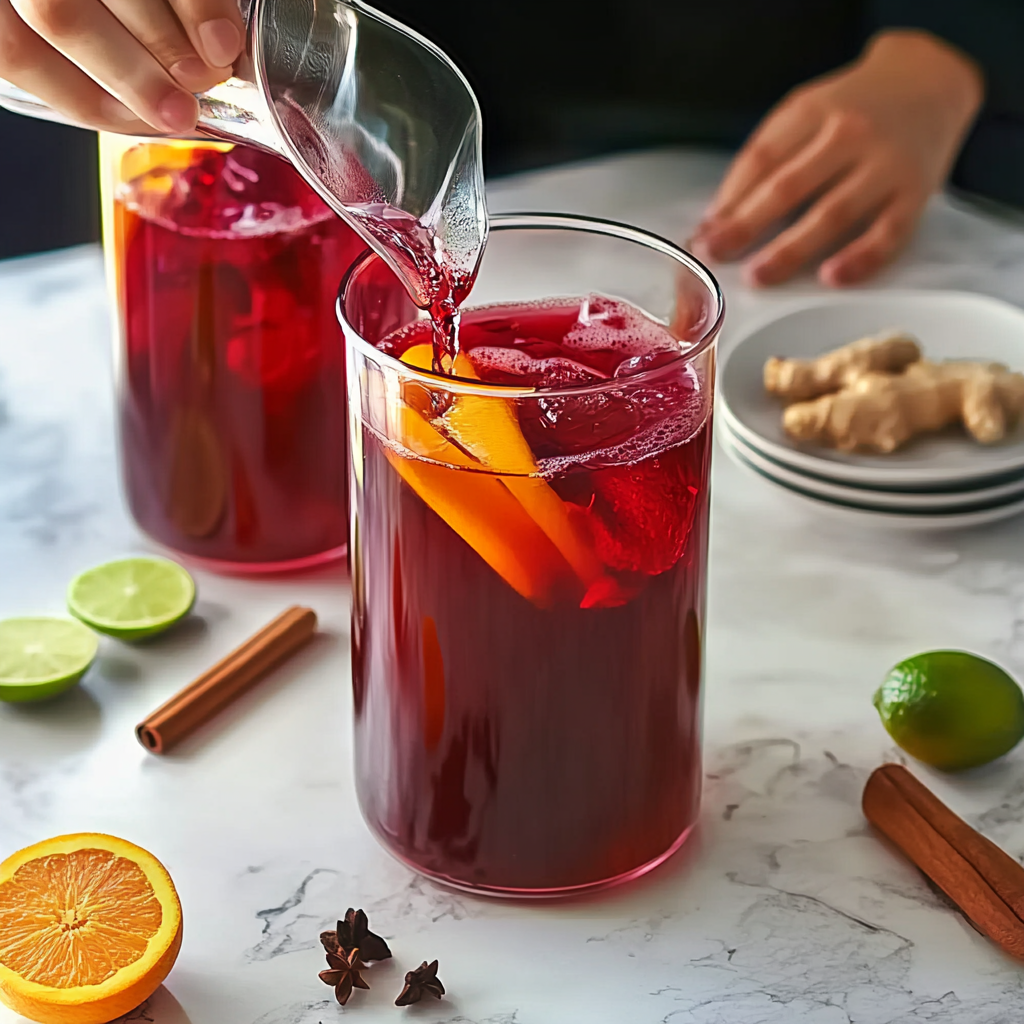
Hibiscus Iced Tea Refreshment for Summer Gatherings
Ingredients
Method
- Bring 2 cups of water to a boil in a large pot.
- Add the sugar and stir until fully dissolved.
- Remove from heat and add the dried hibiscus flowers, cinnamon sticks (if using), and whole cloves (if using). Allow the mixture to steep for 10-12 minutes.
- Once steeped, strain the liquid into a large pitcher using a fine mesh sieve to remove solids.
- Add the remaining 2 cups of cold water and the fresh lemon juice to the pitcher, and stir.
- Chill the mixture in the refrigerator for at least 1 hour before serving.
- Serve over ice, garnished with orange slices or additional citrus wedges.
Nutrition
Notes
Taste the tea before adding sugar and adjust sweetness to your preference.
Store any leftovers in the refrigerator for up to 3 days.
Feel free to experiment with additions like ginger slices, star anise, or a splash of orange juice.