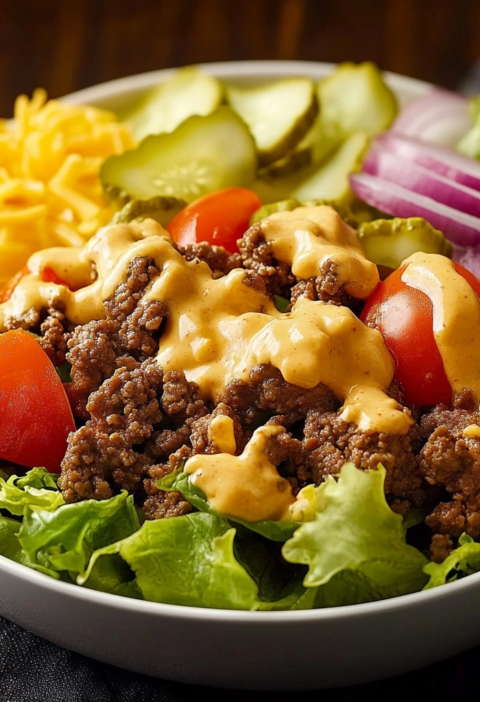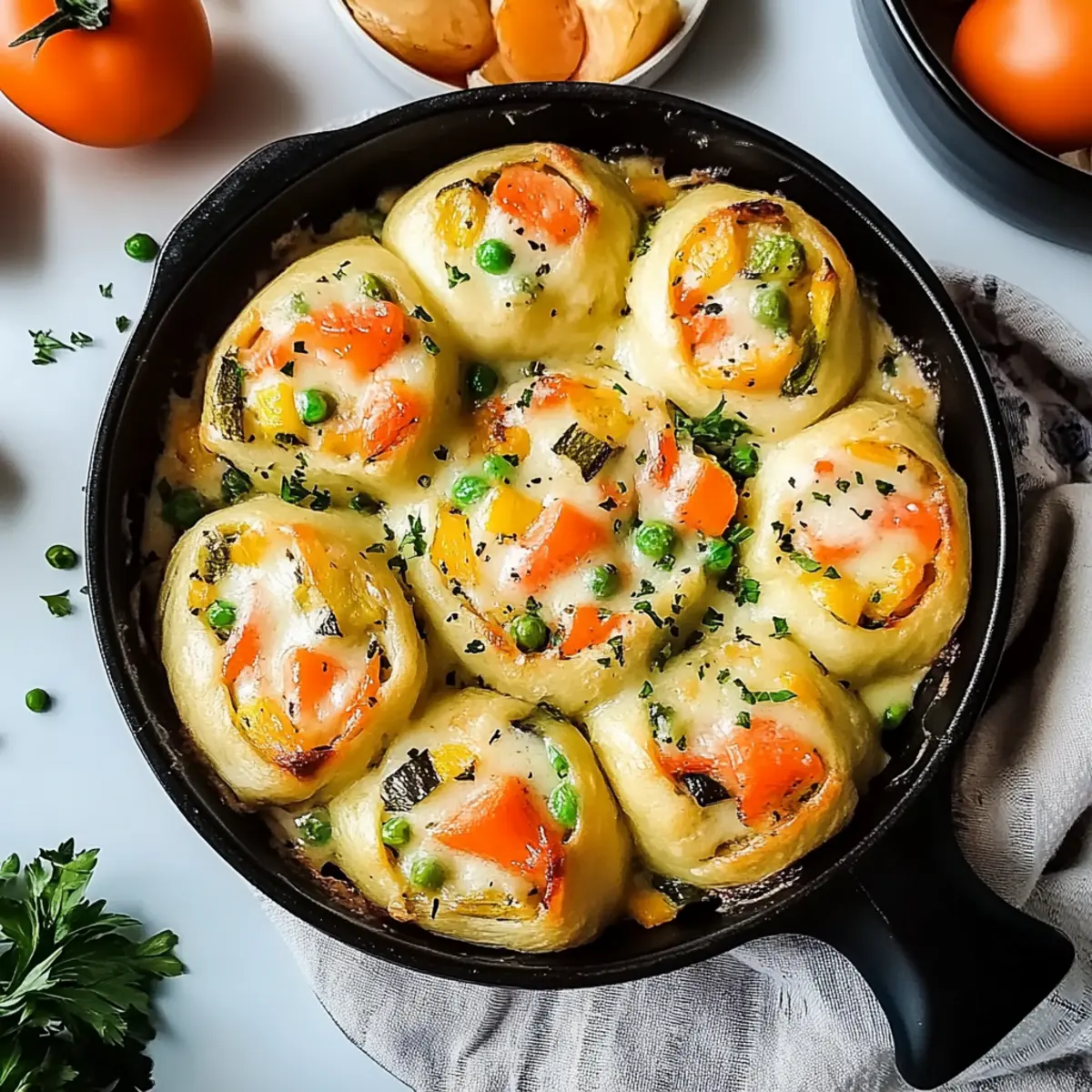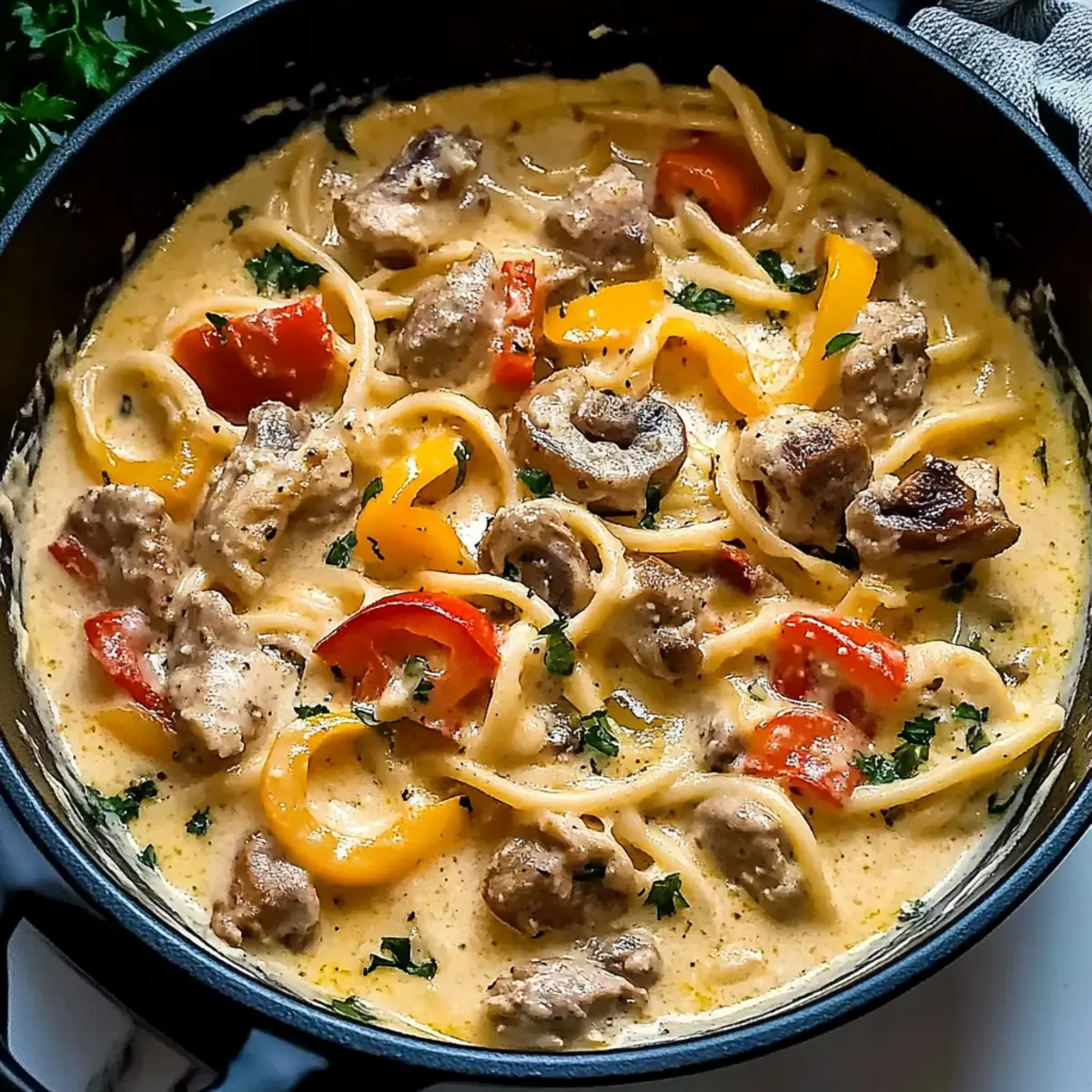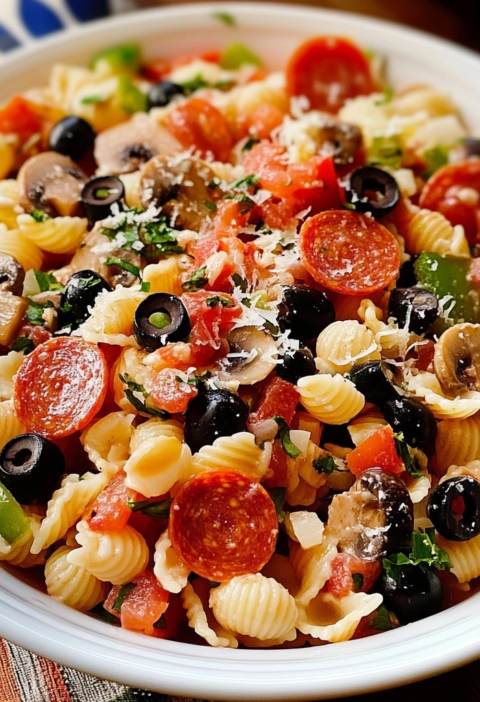
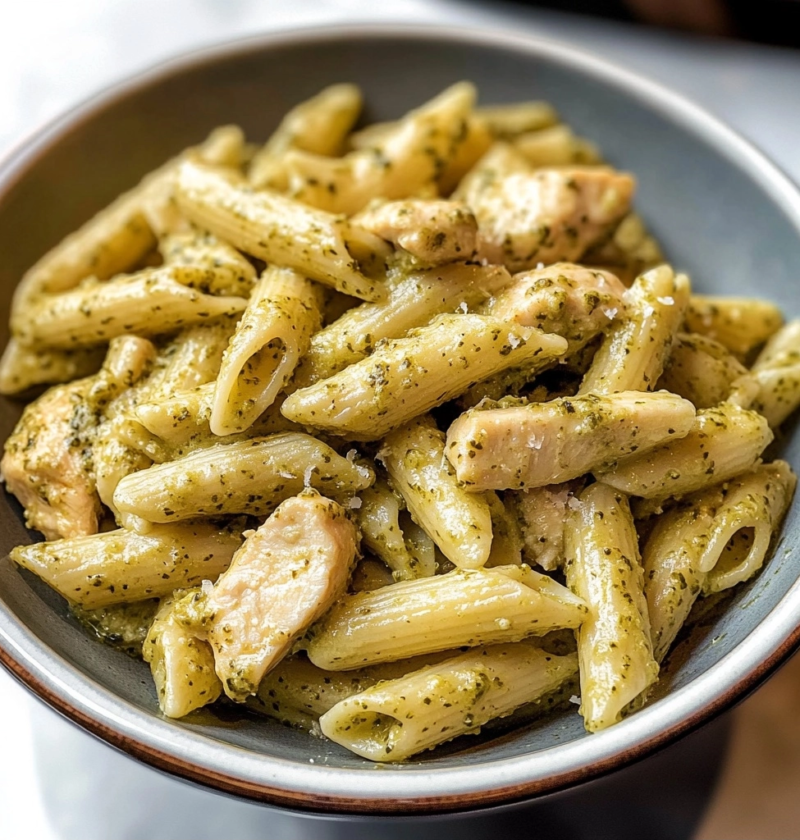
A creamy, savory, and rich chicken pesto pasta dish combines fresh basil flavors with tender bites of sautéed chicken and a luxurious cream sauce. This comforting meal delivers a perfect balance of freshness and indulgence that satisfies hunger quickly. It is the ideal solution for busy weeknights when you need a delicious dinner without spending hours in the kitchen. Experience the ultimate comfort food with this reliable and flavorful pasta creation.
Here is a quick overview of the time and effort required to prepare this delightful meal for your household. Knowing the schedule helps you plan your evening and ensures everything comes together smoothly at the table.
| Detail | Information |
|---|---|
| Prep Time | 10 minutes |
| Cook Time | 15 minutes |
| Total Time | 25 minutes |
| Servings | 4 servings |
| Difficulty | Easy |
| Cuisine | Italian Inspired |
| Category | Main Course |
| Method | Stovetop Sautéing |
Why This Recipe Works
This chicken pesto pasta recipe works exceptionally well because it relies on high-quality ingredients that require minimal preparation yet deliver maximum flavor in the pan. The combination of basil-rich pesto and heavy cream creates a sauce that clings perfectly to every noodle without needing to boil down for hours. I have perfected this method over years of testing to ensure the chicken remains juicy while the sauce retains a velvety texture throughout serving.
One of the main reasons this dish succeeds is the cooking time management that allows the pasta and chicken to finish almost simultaneously. By sautéing the chicken until the outside is golden and then incorporating the sauce directly, the flavors meld together in just five minutes of simmering. This efficiency prevents the pasta from becoming mushy while still achieving a fully cooked and tender result for everyone at the table.
Furthermore, the flavor profile is robust enough to satisfy adults and palates of children alike without needing complex garnishes or sides. The salt from the Parmesan and pasta water blends seamlessly with the basil notes to create a familiar yet elevated taste. This reliability means you can count on this recipe for busy Tuesday nights or a relaxed Sunday supper with equal confidence and enjoyment.
Chef Tips for Perfect Results
Mastering this dish requires attention to heat control and timing to ensure the sauce does not separate or the chicken dries out during cooking.
- Reserve pasta water: Always save a cup of the starchy cooking water before draining to thin the sauce if it becomes too thick or heavy.
- Sear chicken properly: Ensure the chicken strips are at room temperature before searing to ensure they cook evenly without becoming tough.
- Heat the sauce gently: Do not boil the cream and pesto mixture vigorously to avoid breaking the emulsion and separating the oils.
- Season in stages: Taste the chicken before adding salt to the pasta to ensure you adjust the seasoning of the dish accurately for your taste budget.
- Use fresh pesto: While store-bought works, fresh homemade pesto provides a brighter green color and more intense basil flavor for the best results.
- Toast the pasta: Avoid overcooking the pasta by tasting it a minute before the package instructions say to ensure an al dente bite remains.
- Chill the cream: Keep your heavy cream cold until the very last moment to prevent it from curdling when it hits the hot skillet.
- Finish with cheese: Add the grated Parmesan at the very end to preserve its meltiness and prevent it from becoming grainy in the hot sauce.
Common Mistakes to Avoid
Making mistakes in this recipe often happens when the cook rushes the sautéing process or fails to manage the liquid ratios correctly during the simmer phase.
| Mistake | Why It Happens | How to Fix It |
|---|---|---|
| Sauce breaks | Heat is too high causing oil separation | Lower heat immediately and whisk in a spoonful of pasta water to re-emulsify. |
| Chicken is dry | Cooked too long on high heat | Remove chicken from pan earlier and let it finish cooking in the sauce. |
| Pasta is mushy | Overcooked before adding to sauce | Stop boiling when al dente and finish cooking in the skillet with sauce for two minutes. |
| Too bland | Insufficient salt in water or cheese | Add pasta salt and extra grated Parmesan cheese while tossing. |
| Texture feels heavy | Too much cream relative to sauce | Dilute with the reserved pasta water until the desired consistency is reached. |
| Bitter pesto flavor | Pesto sat out too long or overcooked | Add pesto at the end of cooking to preserve the fresh herb taste. |
Variations and Substitutions
You can easily customize this chicken pesto pasta to accommodate different dietary needs or simply change up the flavors for variety without losing the essence of the dish.
| Ingredient or Element | Substitution or Variation | Impact on Flavor or Texture |
|---|---|---|
| Heavy Cream | Half-and-half or milk with flour | Result is slightly lighter but less rich in body. |
| Penne Pasta | Fusilli or farfalle shapes | Texture changes to be more bite-sized while holding sauce well. |
| Chicken Breasts | Chicken Thighs | Thighs add juiciness and richness to the bite of the meat. |
| Pesto | Basil Arugula mix | Arugula adds a peppery kick to balance the creaminess. |
| Heavy Cream | Cashew Cream | Makes it dairy-free with a nutty undertone similar to the original. |
| Vegetables | Spinach or Cherry Tomatoes | Spinach adds iron and wilted texture while tomatoes add acidity. |
| Cheese | Nutritional Yeast | Makes it vegan-friendly while maintaining a cheesy savory note. |
| Basil | Cilantro or Parsley | Changes the herbal note to be citrusy or more neutral depending on leaf. |
| Olive Oil | Butter or Ghee | Adds a richer dairy flavor and higher melting point for searing. |
Serving Suggestions and Pairings
Pairing this pasta dish with compatible sides enhances the meal without overwhelming the savory pesto core flavors that define the main course.
- Crisp mixed green salad with vinaigrette to cut the richness.
- Garlic bread or toasted baguette for scooping up the extra creamy sauce.
- Roasted vegetables like broccoli or zucchini for a healthy fiber addition.
- Chilled sparkling water with lemon slices to cleanse the palate between bites.
- Warm focaccia bread brushed with olive oil to complement the pasta.
- Coleslaw provides a crunchy contrast to the soft noodles and cream sauce.
- Minestrone soup offers a hearty vegetable start before the pasta arrives.
- Fresh fruit salad serves as a light and sweet dessert after the meal.
- A glass of chilled white wine pairs classically with creamy pasta dishes.
- Steamed green beans provide a bright green color contrast on the plate.
- Roasted potatoes offer a hearty starch base to fill up large appetites.
- Panna Cotta with berry compote serves as a light and creamy finish.
For a complete family meal, serve this Chicken Pesto Pasta alongside garlic roasted potatoes and a simple green salad to create a balanced plate. The creaminess of the pasta pairs surprisingly well with the acidity of a tomato salad to brighten the overall dining experience. This approach ensures everyone has something crunchy and something soft to enjoy during the dinner service.
Make Ahead Options
Yes, you can prepare components of this chicken pesto pasta recipe up to 24 hours in advance to speed up the cooking process significantly.
You can chop the chicken and store it in the refrigerator or even freeze the pesto sauce separately for easier weeknight assembly. The cooked chicken should be cooled completely before storing to prevent moisture buildup that might affect texture upon reheating. Pasta should ideally be cooked fresh, but if necessary, rinse cooked pasta with cold water and toss with oil to prevent sticking before storing in an airtight container.
When ready to serve, reheat the chicken gently in a skillet with the sauce and pasta to refresh the flavors without drying out the meat. Adding a splash of water or broth while reheating helps restore the creamy consistency of the sauce that may have thickened overnight.
Storage and Reheating
Proper storage prevents spoilage and maintains the best possible texture when preparing the leftovers for later consumption on subsequent days.
| Method | Duration | Instructions |
|---|---|---|
| Room Temperature | 2 hours max | Do not leave pasta out as it can harbor bacteria if left too long at ambient heat. |
| Refrigerator | 3 to 4 days | Store in an airtight container in the main body of the fridge after cooling. |
| Freezer | 1 to 2 months | Freeze without cream if possible to prevent splitting, thaw then add cream. |
| Reheating | Stovetop 5-10 mins | Reheat gently on low heat adding pasta water to loosen the sauce. |
| Make Ahead | 24 hours | Prepare chicken and sauce separately and combine just before serving. |
Nutritional Information
Approximate values are based on one serving and may vary depending on exact ingredients and portion size.
| Nutrient | Amount per Serving |
|---|---|
| Calories | 650 calories |
| Protein | 35 grams |
| Fat | 38 grams |
| Saturated Fat | 18 grams |
| Carbohydrates | 45 grams |
| Fiber | 2 grams |
| Sugar | 3 grams |
| Sodium | 600 milligrams |
Frequently Asked Questions
Can I use a different type of pasta for this Chicken Pesto Pasta recipe?
Yes, you can use any long or short pasta shape that holds sauce well such as fettuccine or linguine. The key is to choose a shape that can trap the creamy sauce between its ridges or twists. Ensure you cook it al dente to prevent it from becoming too soft in the creamy sauce.
How do I know the chicken is fully cooked?
The chicken is fully cooked when it reaches an internal temperature of one hundred sixty-five degrees Fahrenheit as verified by a thermometer. You can also check by cutting into the thickest piece to ensure no pink remains inside the meat. The texture should no longer look translucent but rather firm and opaque throughout.
Why is my cream sauce separating or breaking?
Separation occurs when the heat is too high and causes the fats in the heavy cream to separate from the liquid. You can fix this by reducing the heat to a simmer immediately and whisking in some pasta water. Adding the sauce slowly while stirring helps stabilize the emulsion if it starts to look oily.
Is it better to make this chicken pesto pasta on the weekend?
It is excellent for the weekend as a meal prep option when you can chill it and enjoy it over several days. However, it works just as well on a Tuesday night because the prep time is relatively short. You can assemble the components ahead of time to minimize active cooking time during the day.
What sides go best with this chicken pesto pasta dish?
Light sides like a green salad or steamed broccoli complement the heavy nature of the creamy pasta perfectly. Garlic bread or crackers provide a textural contrast for scooping additional sauce from the bowl. Dessert options should be light such as fruit or sorbet to finish the meal comfortably.
How do I reheat leftovers without ruining the texture?
Reheat the leftovers slowly on the stovetop while stirring constantly to prevent burning the bottom of the pasta. Add a splash of milk or water if the sauce has thickened too much overnight in the container. Microwave reheating can work if you cover the dish and stir halfway through the cycle to distribute the heat evenly.
Conclusion
This chicken pesto pasta recipe delivers a satisfying and comforting meal that comes together with minimal effort and maximum flavor. You can enjoy the creamy texture and savory basil notes that define this dish every week on busy dinner nights. It is a reliable favorite that will keep your family happy for years to come. Enjoy every bite of this delicious and simple comfort food creation.
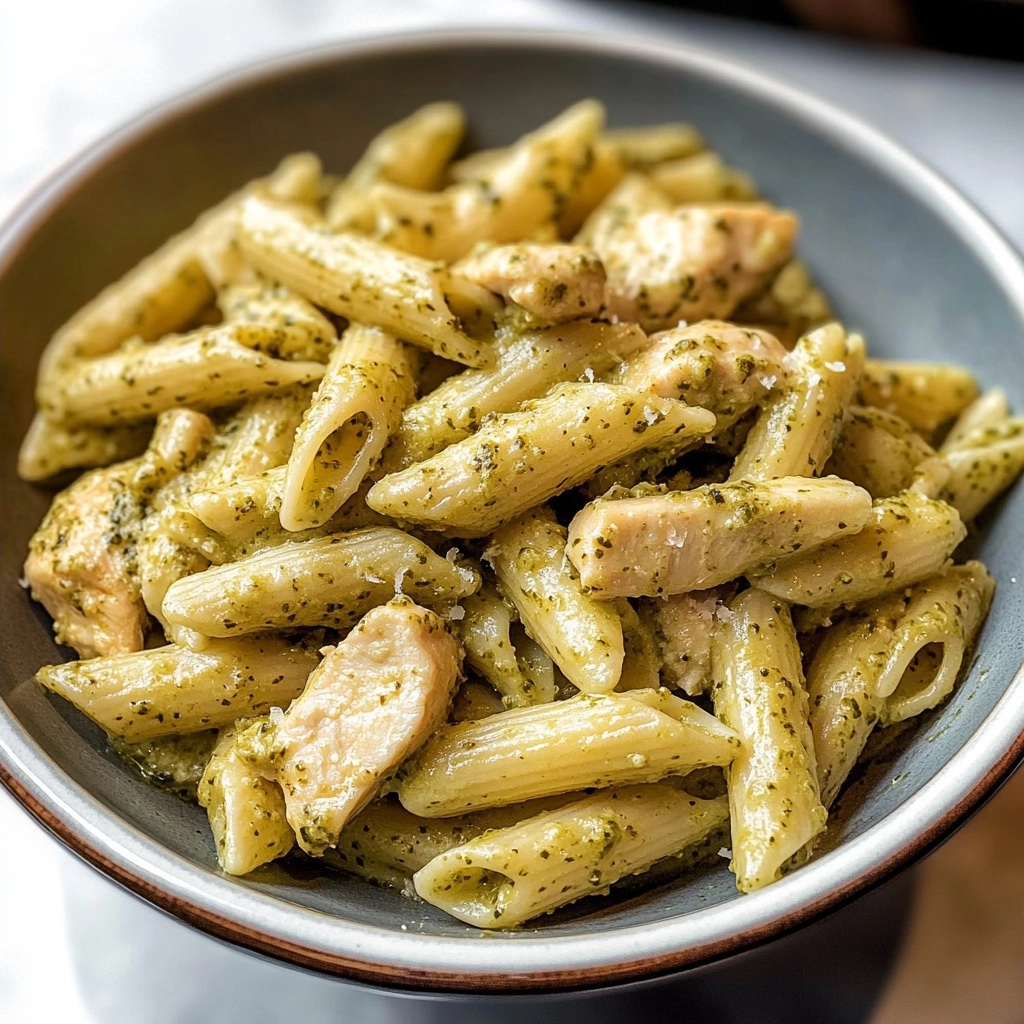
Chicken Pesto Pasta Recipe for Quick Family Dinners
Ingredients
Method
- Bring large pot of salted water to boil for pasta
- Whisk olive oil, garlic, salt, and pepper in pan
- Sauté chicken until golden (5-6 minutes per side)
- Add pesto and cream, simmer gently (3-5 minutes)
- Add cooked pasta and ½ cup pasta water if needed
- Stir in Parmesan, toss to coat evenly
- Garnish with basil and additional cheese
Nutrition
Notes
Stir continuously during sauce blending to prevent separation
Substitute fettuccine with linguine or penne pasta
Reserve pasta water for adjusting sauce consistency
Parfait for leftovers in airtight containers (up to 3 days)