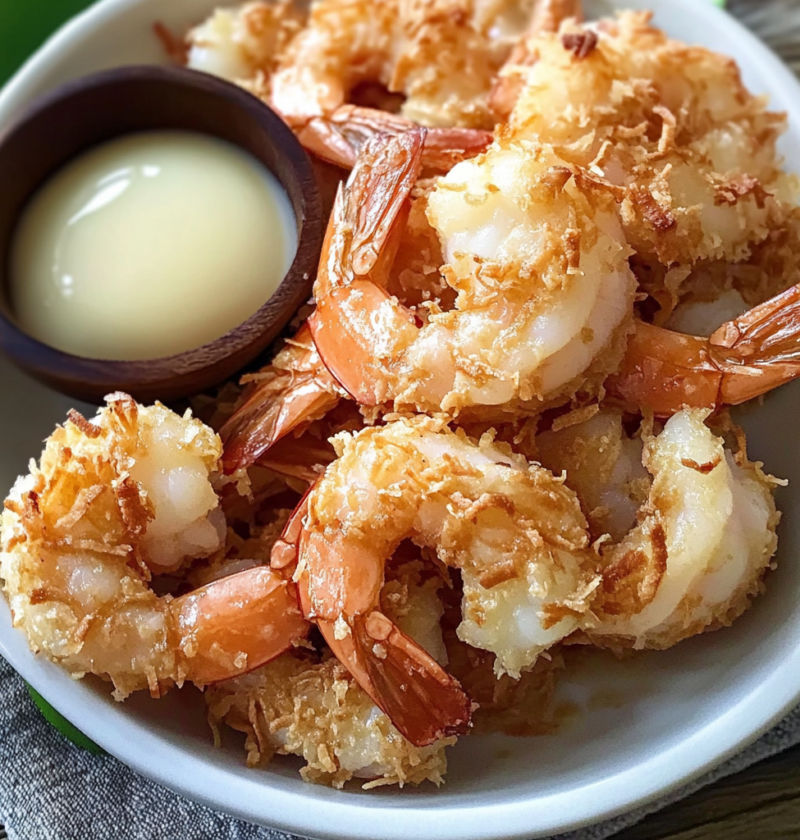
Coconut Shrimp is a popular tropical appetizer combining sweet coconut flakes with savory fried shrimp. This dish offers a delightful crunch and sweet flavor profile perfect for gatherings. We love the texture contrast and the ease of preparing this item for guests. The recipe is simple and ensures everyone gets a taste of paradise.
Prepare your kitchen for a fun cooking session that delivers restaurant quality results at home. You do not need expert skills to achieve the perfect golden coating. This guide ensures you master every step for maximum flavor.
| Detail | Information |
|---|---|
| Prep Time | 20 minutes |
| Cook Time | 10 minutes |
| Total Time | 30 minutes |
| Servings | 24 pieces |
| Difficulty | Easy |
| Cuisine | American |
| Category | Appetizer |
| Method | Deep Frying |
Why This Recipe Works
This Coconut Shrimp recipe works perfectly because the batter locks in moisture while the coconut provides crisp texture. We have tested this method extensively to ensure consistent results every single time. The combination of ingredients creates a flavor balance that is neither too sweet nor too salty.
We recommend freezing the shrimp slightly before battering to prevent overcooking during the frying process. This step ensures the inside stays juicy and tender. The non-alcoholic beer in the batter adds lightness and bubbles for an airy coating.
The specific ratio of flour to coconut is critical for achieving that signature crunch without becoming heavy. Our testing has confirmed that chilling the coated shrimp helps the batter adhere firmly to the shell. This technique prevents the coating from sliding off during the hot oil phase. You will love the reliable success rate of this method for any occasion.
Chef Tips for Perfect Results
Follow these essential tips to ensure your Coconut Shrimp turns out golden and crispy every time.
- Maintain oil temperature: Keep the frying oil steady at 350 degrees Fahrenheit to prevent greasy results.
- Chill the coated shrimp: Refrigerating the breaded shrimp for thirty minutes helps the coating set firmly.
- Use non-alcoholic beer: Substitute regular beer with a non-alcoholic option to maintain flavor without alcohol.
- Do not overcrowd: Fry in small batches to avoid dropping the oil temperature and causing soggy shells.
- Pat shrimp dry: Ensure shrimp are completely dry before coating to help the batter stick effectively.
- Check oil safety: Never add water or ice to hot oil to prevent dangerous splattering or fires.
- Drain on racks: Place fried shrimp on a wire rack rather than paper towels to keep them crispy longer.
- Use fresh coconut: Fresh flaked coconut offers a superior texture compared to sweetened dried coconut for this dish.
Common Mistakes to Avoid
Avoid these common pitfalls to ensure your Coconut Shrimp remains crispy and flavorful throughout your meal.
| Mistake | Why It Happens | How to Fix It |
|---|---|---|
| Oil too hot | Coating burns before shrimp cooks through | Use a thermometer and adjust heat frequently |
| Coating slides off | Batter was too thin or shrimp too wet | Pat shrimp dry and keep batter thick |
| Greasy texture | Shrimp were drained on flat surface | Use a wire rack to allow air circulation |
| Batter too thick | Too much flour added during dredging | Apply flour lightly and shake off excess |
| Undercooked meat | Oven time too short or batch too large | Cook in smaller batches and fry longer |
| Soggy coconut | Oil temperature dropped during frying | Reheat oil to 350 degrees between batches |
Variations and Substitutions
Customize this Coconut Shrimp recipe to suit dietary needs or flavor preferences easily.
| Ingredient or Element | Substitution or Variation | Impact on Flavor or Texture |
|---|---|---|
| Non-Alcoholic Beer | Substitute with club soda or sparkling water | Creates a lighter, bubbly batter texture |
| Regular Flaking | Use shredded coconut for smaller pieces | Results in a finer, more uniform coating |
| All-Purpose Flour | Use gluten-free flour blend option | Maintains structure with slightly grainier feel |
| Frying Method | Use an Air Fryer instead of oil | Reduces fat content while keeping crispiness |
| Egg Option | Replace with egg wash or milk mixture | Provides similar binding properties for coating |
| Salt Level | Use Old Bay seasoning in the flour | Adds a savory flavor depth to the shrimp |
| Coconut Type | Use sweetened coconut flakes | Increases sweetness of the final appetizer |
| Shrimp Size | Use jumbo shrimp for larger bites | Create a more substantial main course portion |
Serving Suggestions and Pairings
Serve your Coconut Shrimp with complementary sides to enhance the tropical theme of this dish.
- Classic tangy cocktail sauce for dipping
- Spicy marinara sauce for a robust kick
- Tartar sauce for a creamy texture contrast
- White rice pilaf to balance the rich oils
- Grilled pineapple spears for extra sweetness
- Coleslaw with a vinegar base for crunch
- Crispy french fries for a comfort food pairing
- Garden potato salad for a cooler side dish
- Potato wedges with rosemary seasoning
- Citrus fruit salad for a refreshing palate cleanser
- Lettuce wraps for a low carb appetizer option
- Soft corn tortillas for a shrimp taco variation
This meal works best as the star of a seafood platter or backyard barbecue. Serve the shrimp immediately while they are hot to maximize the crunchiness. Guests will appreciate the fresh taste and the colorful presentation on the platter. It pairs wonderfully with white wine or non-alcoholic sparkling grape juice.
Make Ahead Options
You can prepare parts of this Coconut Shrimp recipe ahead of time to save effort on busy days. You are able to coat the shrimp and refrigerate them for four hours before cooking.
Store the prepared shrimp in a single layer on a baking sheet lined with wax paper to prevent sticking. Cover them loosely with plastic wrap to avoid drying out the batter or the coconut. When ready to cook, let the shrimp sit at room temperature for fifteen minutes. Fry them immediately after removing them from the refrigerator.
Storage and Reheating
Proper storage ensures your leftovers remain safe and tasty for future consumption after the initial meal.
| Method | Duration | Instructions |
|---|---|---|
| Room Temperature | 2 hours max | Keep in a sealed container away from heat |
| Refrigerator | 3 days | Store in an airtight container with ventilation |
| Freezer | 3 months | Freeze uncooked coated shrimp on a tray |
| Reheating | 150 degrees Fahrenheit | Oven or toaster oven restores texture best |
| Make Ahead | 4 hours | Chill coated shrimp before frying immediately |
Nutritional Information
Approximate values are based on one serving and may vary depending on exact ingredients and portion size.
| Nutrient | Amount per Serving |
|---|---|
| Calories | 120 |
| Protein | 8g |
| Fat | 6g |
| Saturated Fat | 4g |
| Carbohydrates | 10g |
| Fiber | 2g |
| Sugar | 3g |
| Sodium | 150mg |
Frequently Asked Questions
Can I substitute the beer for a non-alcoholic liquid?
Yes, you must use non-alcoholic beer or club soda to maintain the flavor profile without alcohol. This substitution ensures you follow dietary guidelines while preserving the light texture of the batter. The bubbles in the substitute help create a crispy coating similar to standard beer batter.
How do I know when the shrimp are fully cooked?
The shrimp are fully cooked when they float to the surface and the coating turns a deep golden brown. You can check this by pulling one shrimp out and cutting it in half to verify the meat is opaque. The exterior should feel firm but the interior remains soft and moist when done.
What is the best way to fix soggy coconut coating?
If the coconut becomes soggy, ensure you are frying at the correct temperature of 350 degrees constantly. Avoid overcrowding the pan which lowers the oil heat and steams the food instead. Drain your fried items on a wire rack to allow excess oil to drip away from the coconut.
Can I bake the Coconut Shrimp in the oven?
You can bake the Coconut Shrimp at 400 degrees Fahrenheit for a healthier version of the dish. Spray the shrimp generously with cooking oil to simulate the frying texture. This method takes longer but yields a result that is less greasy than traditional oil frying.
What dipping sauces pair best with this appetizer?
Sweet chili sauce and mustard-based honey mustard are excellent choices for dipping the shrimp. Tartar sauce provides a creamy contrast that complements the sweet coconut flakes well. Try serving a selection of three different sauces to please all your guest preferences.
How long can I store leftover Coconut Shrimp safely?
Leftover Coconut Shrimp can be stored in the refrigerator for up to three days if kept in an airtight container. Do not leave the seafood at room temperature for more than two hours to prevent bacterial growth. Reheat thoroughly before eating to ensure food safety is maintained from start to finish.
Conclusion
Coconut Shrimp is a versatile and delicious choice for any seafood lover looking for something special. The perfect balance of sweet and savory makes this a crowd favorite that is easy to prepare. We hope you enjoy the crunchy texture of the coconut combined with the tender shrimp. Share this appetizer at your next gathering for a truly memorable culinary experience.
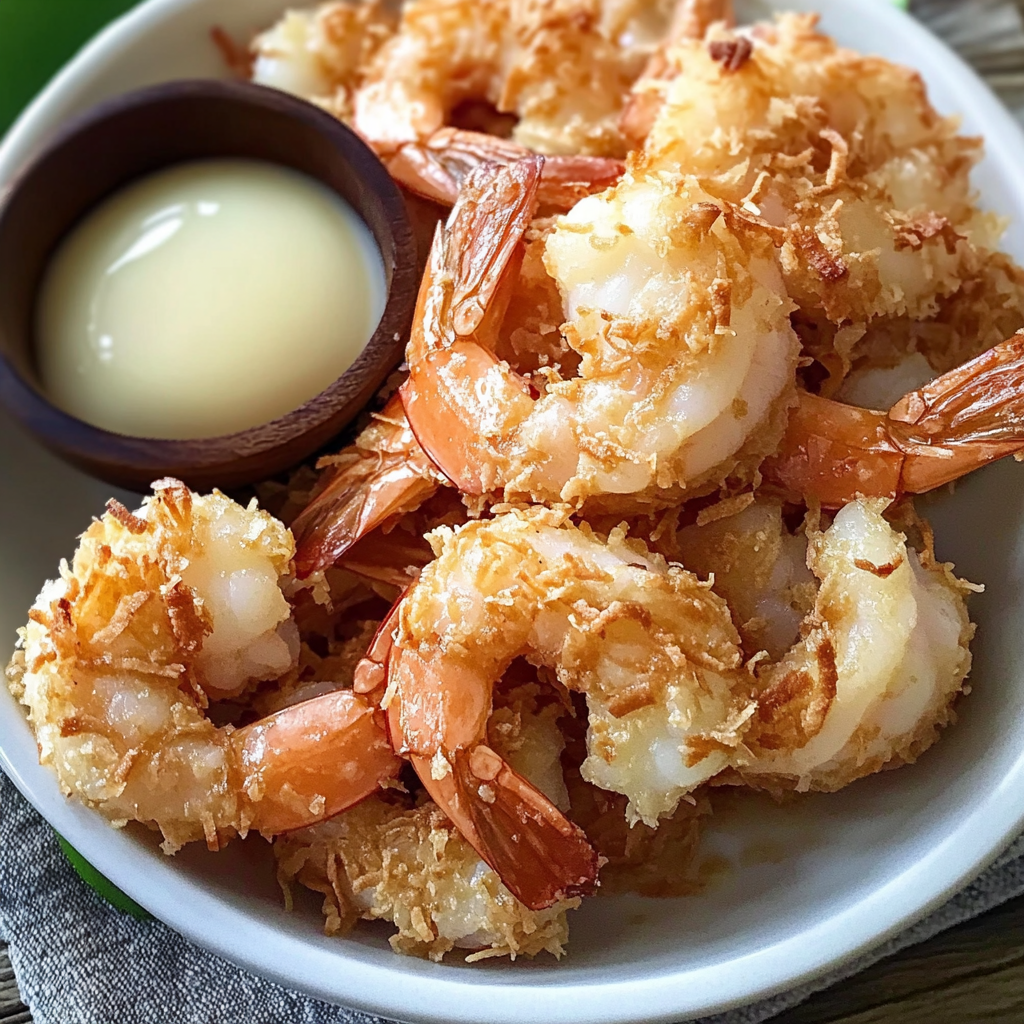
Coconut Shrimp for Party Snacks
Ingredients
Method
- Thaw frozen shrimp if needed and pat dry.
- Combine flour, coconut, garlic powder, paprika, salt, and pepper in a bowl.
- Mix non-alcoholic beer and vegetable oil in a second bowl.
- Dip shrimp into the beer mixture, then coat thoroughly in the flour-coconut mixture.
- Chill shrimp on a baking sheet for 30 minutes.
- Heat frying oil to 350°F in a deep skillet.
- Fry shrimp in batches until golden brown (2-3 minutes per batch).
Nutrition
Notes
g the coated shrimp is crucial for a firm, non-slip coating.
Use non-alcoholic beer as specified.
Maintain oil temperature to avoid greasy results.
Serve with mango chutney or a sweet chili dip.