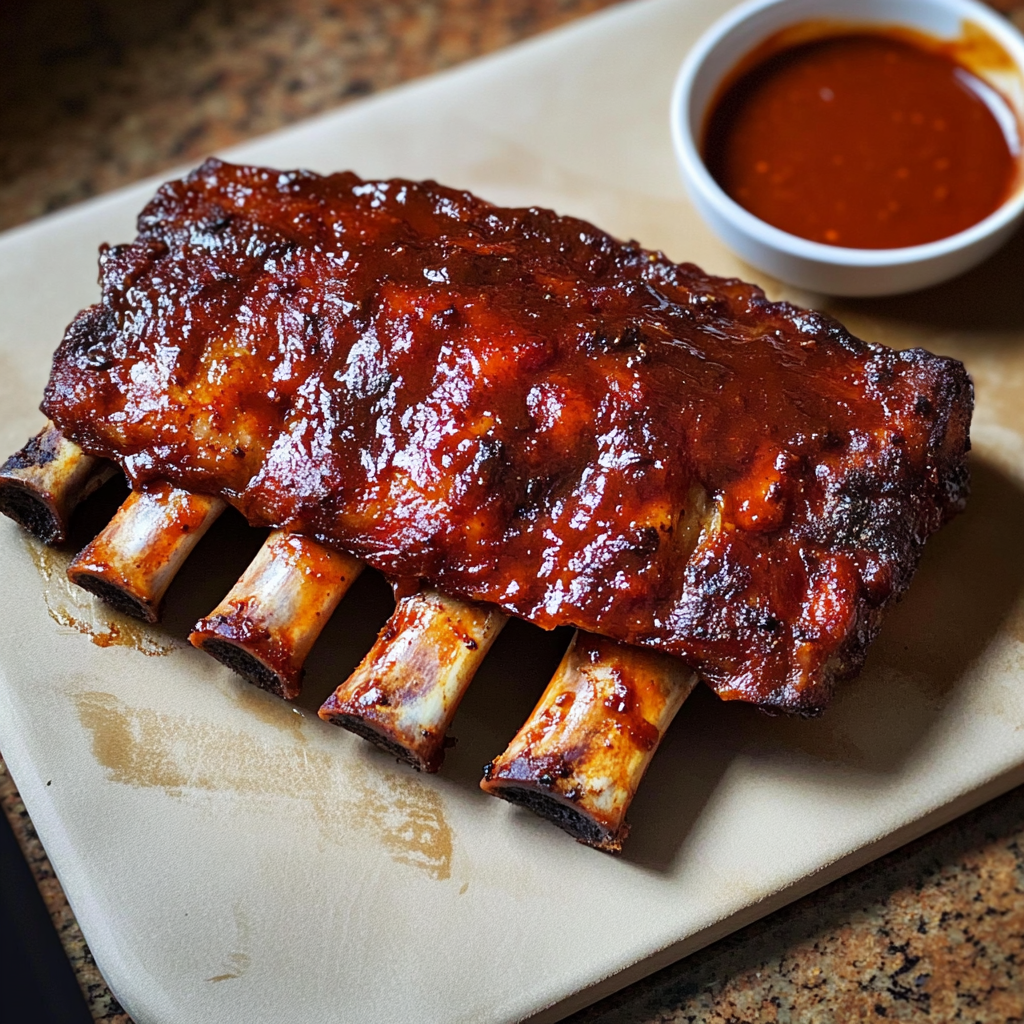
Baby back ribs are a tender, smoky, and slightly sweet barbecue favorite that delivers melt‑in‑your‑mouth texture with minimal effort.
| Detail | Information |
|---|---|
| Prep Time | 20 minutes |
| Cook Time | 2 hours 50 minutes |
| Total Time | 3 hours 10 minutes |
| Servings | 4 |
| Difficulty | Easy |
| Cuisine | American BBQ |
| Category | Dinner |
| Method | Oven‑Slow Roast & Glaze |
Why This Recipe Works
This recipe works because the low‑and‑slow oven temperature breaks down connective tissue while preserving juiciness.
From my own kitchen experiments, I found that sealing the ribs in heavy‑duty foil creates a steam‑rich environment that keeps the meat moist. The dry rub, a blend of ancho chile powder, sugars, and spices, penetrates the surface during the first bake, building layers of flavor that deepen with each glaze.
The gradual temperature increase from 250°F to 350°F finish‑cooks the ribs, allowing the barbecue sauce to caramelize without burning. Because the sauce is applied multiple times, a glossy, sticky crust forms that clings perfectly to each rib.
Finally, letting the ribs rest for fifteen minutes after the low‑heat bake lets the juices redistribute, ensuring every bite stays succulent.
Image ALT: Baby back ribs low‑and‑slow oven roasted with smoky barbecue glaze
Chef Tips for Perfect Results
Follow these professional tips for flawless ribs every time.
- Pat the ribs dry: Remove excess moisture before applying the rub to help the seasoning adhere and prevent steaming.
- Use heavy‑duty foil: Thick foil prevents tears and keeps the steam sealed, which is essential for tenderness.
- Prick the bone side: Small knife punctures allow fat to render and the rub to seep deeper into the meat.
- Balance sweet and heat: The combination of white and brown sugar counters the heat from cayenne and chipotle, creating a harmonious flavor.
- Rotate the pan halfway: Even heat distribution avoids hot spots and ensures uniform cooking.
- Brush sauce in layers: Applying sauce every ten minutes builds a glossy coating without making the ribs soggy.
- Rest before cutting: A fifteen‑minute rest locks in moisture and makes slicing easier.
- Serve immediately: The ribs are at their best when the glaze is still tacky and the meat is hot.
Image ALT: Chef applying layered barbecue sauce to baby back ribs
Common Mistakes to Avoid
Understanding typical pitfalls helps you achieve restaurant‑quality ribs at home.
| Mistake | Why It Happens | How to Fix It |
|---|---|---|
| Skipping the foil seal | Moisture escapes, leading to dry meat. | Wrap tightly in heavy‑duty foil and crimp the edges securely. |
| Using too high a starting temperature | Rapid heat contracts muscle fibers, causing toughness. | Begin at 250°F and only raise temperature after the initial two‑hour bake. |
| Applying sauce too early | Sauce burns before the meat is fully cooked. | Wait until the ribs have completed the low‑heat phase before glazing. |
| Over‑crowding the pan | Limited airflow prevents even cooking. | Space the ribs apart on a sheet pan or use two pans if necessary. |
| Not resting the ribs | Juices run out when cutting, leaving dry slices. | Let the ribs rest fifteen minutes after the low‑heat bake. |
| Using insufficient sugar | Flavor falls flat and caramelization is weak. | Maintain the full 1/4 cup white and 1/4 cup brown sugar ratio. |
| Neglecting to prick the bone side | Fat cannot escape, making the ribs greasy. | Prick the back of the ribs with a knife before seasoning. |
Image ALT: Common rib cooking mistakes with visual examples
Variations and Substitutions
You can easily adapt this recipe to match dietary preferences or flavor cravings.
| Ingredient or Element | Substitution or Variation | Impact on Flavor or Texture |
|---|---|---|
| Ancho chile powder | Smoked paprika | Less earthy heat but retains a smoky note. |
| Ground cayenne pepper | Chipotle powder | Adds a deeper smoky spice while keeping heat level similar. |
| Brown sugar | Maple syrup (reduce liquid elsewhere) | Introduces subtle maple flavor and slight moisture. |
| White sugar | Honey (adjust to keep glaze thin) | Adds floral sweetness and promotes caramelization. |
| Barbecue sauce | Homemade mango‑chili glaze | Provides tropical sweetness and bright heat. |
| Dry mustard | Turmeric powder | Adds earthy bitterness and a golden hue. |
| Salt | Low‑sodium soy sauce (1/2 amount) | Reduces sodium while adding umami depth. |
| Rib type | Beef short ribs | Longer cooking time needed, richer beef flavor. |
| Cooking method | Smoking on a grill | Infuses authentic smoke but requires longer time. |
Image ALT: Variations of baby back rib rubs and sauces
Serving Suggestions and Pairings
These ribs shine when paired with complementary sides and drinks.
- Classic coleslaw with a light vinaigrette to cut sweetness.
- Charred corn on the cob brushed with cilantro lime butter.
- Garlic‑infused roasted potatoes for a hearty starch.
- Smoky baked beans seasoned with smoked paprika.
- Fresh cucumber‑tomato salad tossed in a citrus dressing.
- Soft dinner rolls brushed with herb butter.
- Cooling watermelon slices sprinkled with sea salt.
- Chilled sparkling water with a splash of lemon.
- Homemade iced tea sweetened lightly with honey.
- Grilled asparagus drizzled with tahini sauce.
- Sweet potato mash spiced with cinnamon.
- For a festive setting, serve with a honey‑glazed ham‑free platter.
Combine the ribs, coleslaw, and baked beans for a traditional barbecue feast, complemented by sparkling water and a bright cucumber‑tomato salad.
Image ALT: Served baby back ribs with assorted barbecue sides
Make Ahead Options
You can prepare the rub and even pre‑cook the ribs a day ahead for maximum convenience.
Mix the dry rub and store it in an airtight jar for up to two weeks without losing potency. After the low‑heat bake, let the ribs cool completely, then wrap tightly in foil and refrigerate for up to 24 hours. The next day, simply reheat, apply fresh sauce, and finish the high‑heat glaze.
This approach preserves the tender texture while allowing the flavors to meld deeper, giving you a ready‑to‑serve meal after a quick oven blast.
Image ALT: Pre‑cooked baby back ribs ready for final glazing
Storage and Reheating
Proper storage keeps the ribs delicious for days.
| Method | Duration | Instructions |
|---|---|---|
| Room Temperature | Not recommended | Avoid leaving ribs out longer than two hours for safety. |
| Refrigerator | 3‑4 days | Place ribs in a shallow airtight container; reheat at 300°F covered with foil. |
| Freezer | 2‑3 months | Wrap tightly in foil, then place in a freezer‑safe bag; thaw overnight in refrigerator before reheating. |
| Reheating | 10‑12 minutes | Preheat oven to 300°F, cover ribs with foil, heat until internal temperature reaches 165°F. |
| Make Ahead | 24 hours | Complete low‑heat bake, chill, then finish glaze and bake just before serving. |
Image ALT: Stored baby back ribs in fridge and freezer containers
Nutritional Information
Approximate values are based on one serving and may vary depending on exact ingredients and portion size.
| Nutrient | Amount per Serving |
|---|---|
| Calories | 620 |
| Protein | 38 g |
| Fat | 32 g |
| Saturated Fat | 12 g |
| Carbohydrates | 38 g |
| Fiber | 2 g |
| Sugar | 21 g |
| Sodium | 1020 mg |
Image ALT: Nutritional label overview for baby back ribs
Frequently Asked Questions
Can I substitute the dry rub with a premade BBQ seasoning?
Yes, a premade BBQ seasoning can replace the dry rub, but ensure it contains similar levels of sweet, smoky, and spicy components to maintain balance.
How do I know when the ribs are fully cooked?
The ribs are done when the meat pulls away easily from the bone and the internal temperature reaches 190°F, indicating tender, fall‑off‑the‑bone texture.
Why are my ribs dry after baking?
Dry ribs often result from skipping the foil seal or cooking at too high a temperature initially, which forces moisture out too quickly.
Can I make these ribs ahead for a party?
Absolutely; you can complete the low‑heat bake a day before, refrigerate, and finish the glaze right before serving for fresh, hot ribs.
What side dishes work best with these ribs?
Hearty sides such as coleslaw, baked beans, roasted potatoes, and grilled corn complement the sweet‑spicy profile and provide textural contrast.
How should I store leftovers safely?
Cool the ribs quickly, then refrigerate in an airtight container for up to four days or freeze for up to three months for later reheating.
Image ALT: FAQ section graphic for baby back ribs
Conclusion
This baby back ribs recipe succeeds because the low‑and‑slow bake locks in moisture while the multi‑layered glaze builds a caramelized, flavorful crust. By following the steps and tips, home cooks can achieve restaurant‑quality ribs without specialist equipment. Serve them hot, paired with bright sides, and enjoy the comforting, smoky satisfaction that only well‑done ribs can deliver.
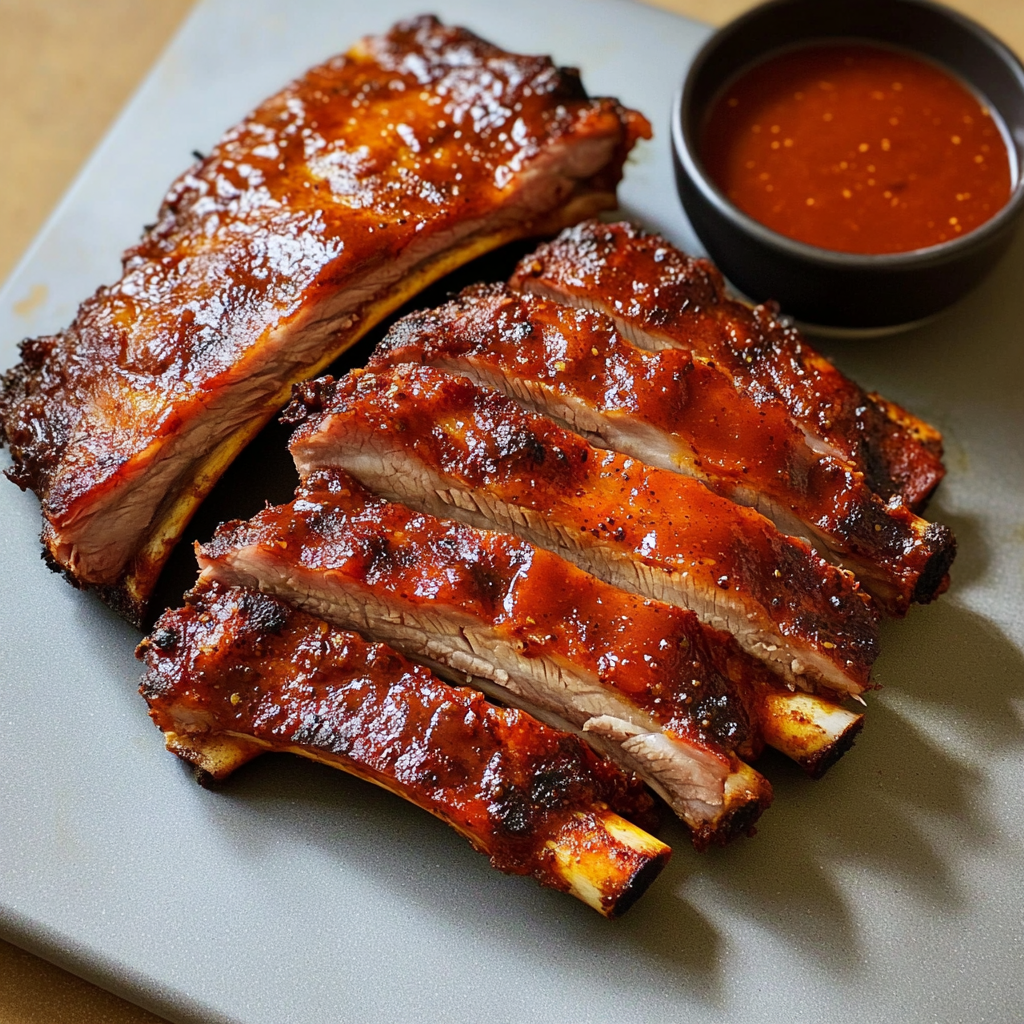
Baby Back Ribs
Ingredients
Method
- Preheat oven to 250°F (120°C)
- Rub lamb ribs dry with paper towels
- In a bowl, combine sugar, chile powder, paprika, cayenne, chipotle, salt, and pepper to make the dry rub
- Pat rub evenly over beef sides and press into pricked bone side
- Place ribs on a rimmed baking sheet lined with foil
- Drizzle with olive oil and vinegar, then wrap tightly in heavy-duty foil
- Roast for 2 hours 30 minutes, rotating the pan halfway
- Unwrap, increase oven to 350°F (180°C), and brush with barbecue sauce
- Return to oven and roast 20 minutes, brushing with sauce every 10 minutes
- Uncover completely for last 5 minutes to glaze
- Rest 15 minutes before slicing
Nutrition
Notes
For enhanced flavor, let ribs chill overnight after seasoning
Use a digital instant-read thermometer—done at 195°F (90°C)
Store leftovers in airtight container for up to 3 days