
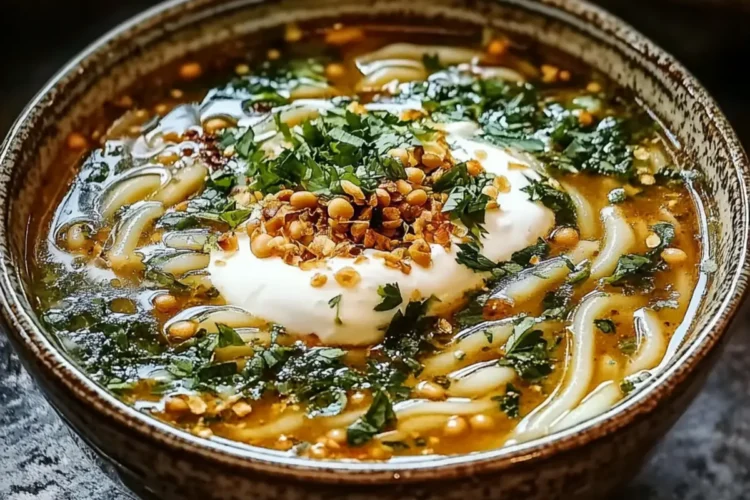
The aroma wafting from the kitchen fills my heart with nostalgia, transporting me to family gatherings where warmth and laughter blend with the delicious scents of home-cooked meals. One dish that always takes center stage is the comforting Persian noodle soup, or Ash Reshteh. This hearty bowl is not just a meal but a celebration of vibrant flavors, combining a medley of legumes and fresh herbs that come together beautifully in a rich, plant-based broth. Whether you’re looking for a quick weeknight dinner or a nourishing meal to share with loved ones, this Persian Noodle Soup Recipe fits the bill perfectly. Packed with protein and healthy ingredients, it’s a satisfying option that leaves you feeling revitalized. Plus, it’s freezer-friendly, making it a convenient dish to prepare when life gets busy. Ready to transform your kitchen into a cozy haven? Let’s dive into this delightful recipe!
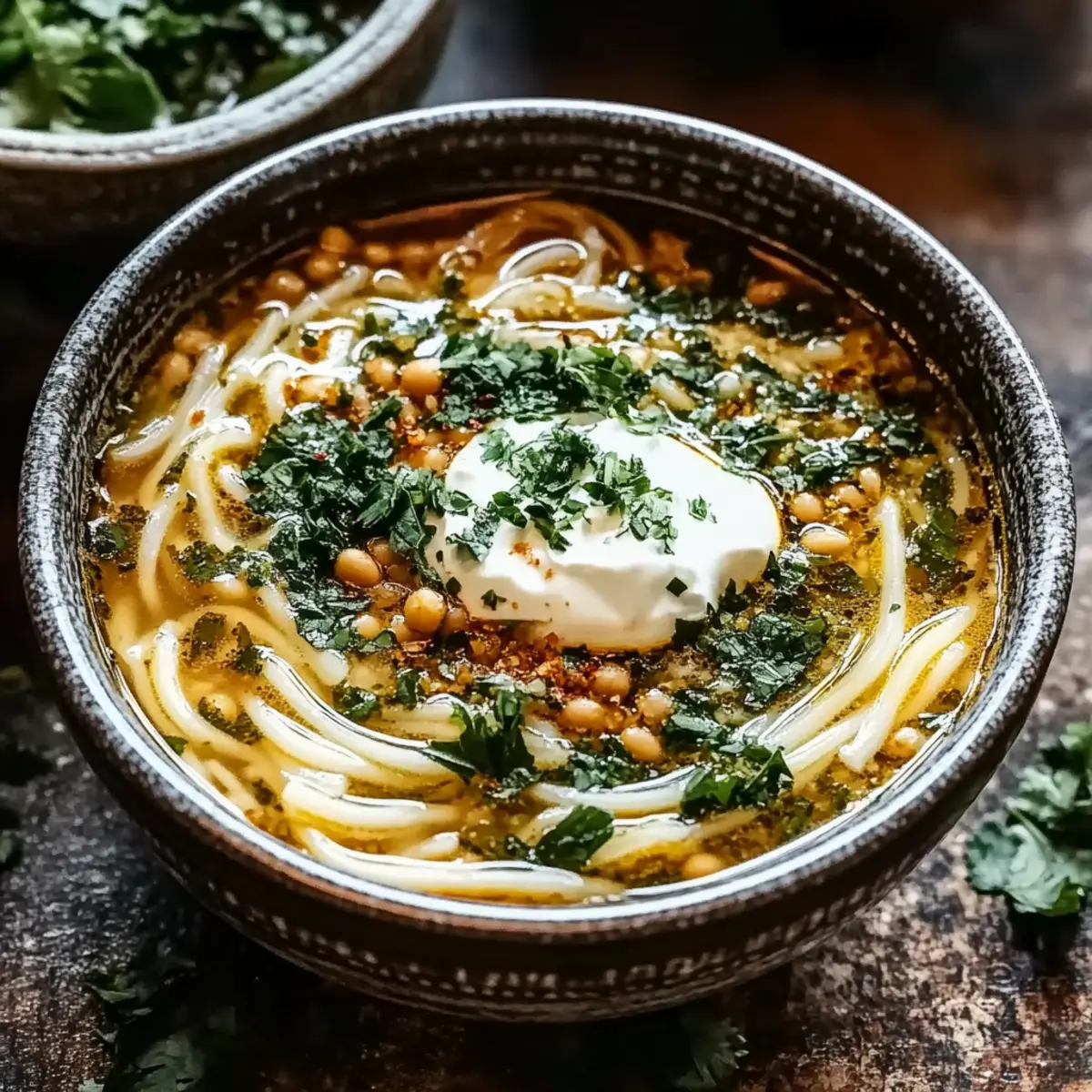
Why is This Persian Noodle Soup Special?
Comforting Warmth: Each spoonful of this Persian noodle soup envelops you in a cocoon of warmth, reminiscent of cozy family dinners.
Nutritious Powerhouse: Packed with protein-rich legumes and fresh greens, it’s a wholesome choice for anyone aiming to eat healthier without sacrificing flavor.
Versatile Delight: Easily adjustable, you can replace noodles and experiment with extra veggies, tailoring this dish to your preferences.
Simple Preparation: With minimal fuss involved, you can whip up this delightful soup in just under an hour—perfect for busy weeknights!
Cultural Connection: This dish carries the essence of tradition, often enjoyed during Nowruz, making your meal a story to share with loved ones.
Whether you’re sipping it on a chilly night or serving to guests, this Cheddar Gnocchi Soup alternatively adds another hearty option to your culinary repertoire!
Persian Noodle Soup Ingredients
• Dive into the wonderful world of flavor with this Persian Noodle Soup Recipe!
For the Soup Base
- Olive Oil – Provides richness and helps sauté vegetables; can substitute with any neutral oil.
- Onion – Adds a sweet, aromatic base; shallots work as a great alternative.
- Garlic – Infuses the soup with deep flavor; in a pinch, you can use garlic powder (1/4 teaspoon per clove).
- Turmeric – Enhances color and flavor; optional for those avoiding spices.
- Vegetable Broth – The flavorful base of the soup; use homemade for depth or water if needed.
For the Legumes
- Lentils – A plant-based protein powerhouse and texture enhancer; rinse well before use and can substitute with split peas.
- Chickpeas – Adds creaminess and more protein; canned is convenient, but dried requires soaking and longer cooking.
- Navy Beans – Contributes to the heartiness of the soup; can be swapped with black beans or pinto beans.
- Kidney Beans – Boosts protein and texture; feel free to use any pre-cooked beans you prefer.
For the Noodles and Greens
- Persian Noodles/Linguine – Adds a satisfying texture; any long pasta will work in a pinch.
- Spinach – Fresh and nutritious greens; you can substitute with kale or other leafy vegetables.
- Cilantro, Parsley, Dill – A bouquet of fresh herbs for a burst of flavor and color; any green herbs can do the trick.
For Garnishing
- Salt and Pepper – Essential for seasoning; adjust to your taste preferences.
- Sour Cream/Yogurt – Adds a creamy tang; opt for a plant-based alternative for a vegan meal.
- Fried Onions – Offers a delicious crunch as a topping; alternatively, use toasted nuts for a different texture.
Now that you have all the ingredients ready, let’s prepare this heartwarming dish!
Step‑by‑Step Instructions for Persian Noodle Soup Recipe
Step 1: Sauté the Aromatics
In a large pot, heat 2 tablespoons of olive oil over medium heat. Add 1 finely diced onion and sauté for 5–7 minutes until the onion becomes soft and translucent. This aromatic base sets the stage for the deep flavors of your Persian noodle soup, so keep an eye on it to prevent burning.
Step 2: Add Garlic and Turmeric
Once the onions are ready, stir in 3 minced garlic cloves and 1 teaspoon of turmeric. Cook for an additional 1–2 minutes, allowing the wonderful aroma to fill your kitchen. The garlic should turn fragrant and golden—this will deepen the flavor profile of your soup.
Step 3: Introduce the Legumes
Pour in 6 cups of vegetable broth, followed by 1 cup each of rinsed lentils, chickpeas, navy beans, and kidney beans. Increase the heat to bring the mixture to a boil. This is the heart of your Persian noodle soup, with beans adding both protein and heartiness to the dish.
Step 4: Simmer for Tenderness
Once boiling, reduce the heat to low, cover the pot, and let it simmer for 20 minutes. Check occasionally to ensure it’s not boiling too hard. You want the legumes to become tender but retain their shape, making your soup hearty and satisfying.
Step 5: Cook the Noodles
Add 2 cups of Persian noodles or linguine to the pot and simmer for an additional 10 minutes. Stir occasionally to prevent the noodles from sticking to the bottom. They should be cooked al dente, creating a beautiful texture in your Persian noodle soup.
Step 6: Stir in the Greens
Add 2 cups of chopped spinach, ½ cup each of chopped cilantro, parsley, and dill into the pot. Cook for 5–7 more minutes, allowing the greens to wilt and blend with the soup. This step infuses your dish with vibrant colors and fresh flavors that enhance the overall experience.
Step 7: Final Seasoning and Serve
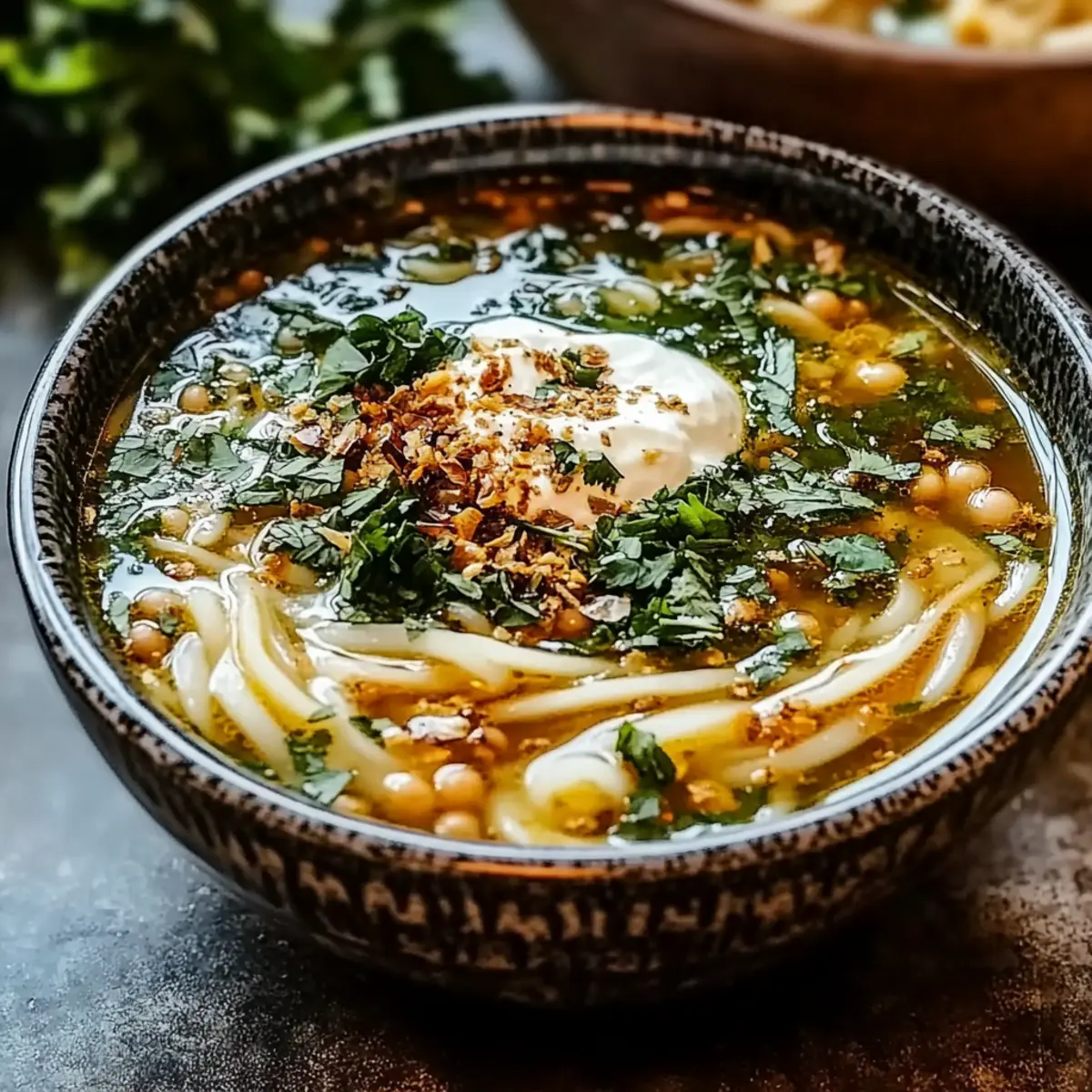
Season your Persian noodle soup with salt and pepper to taste, adjusting according to your preference. Serve hot in bowls, topped with a dollop of sour cream or yogurt and a sprinkle of fried onions for crunch. This beautiful bowl of soup is ready to warm hearts and tummies!
Expert Tips for Persian Noodle Soup Recipe
-
Fresh Herbs Matter: Preserve the vibrant flavors and nutrients by adding herbs like spinach, cilantro, and parsley at the end of cooking.
-
Cooking Time Adjustments: Be mindful that different types of noodles may require varying cooking times; linguine could take longer than traditional Persian noodles, so check for doneness.
-
Vegan Version: To make this dish fully plant-based, simply omit the sour cream or yogurt or switch to a plant-based alternative that matches your taste.
-
Dried Beans Reminder: If using dried beans, soak them overnight to ensure they cook evenly. Adjust simmering time to guarantee tenderness without falling apart.
-
Extra Veggies Opportunity: Feel free to sneak in additional vegetables like carrots or zucchini to enhance nutrition and flavor, making the Persian noodle soup even heartier.
-
Freeze for Future Meals: For easy meal prep, consider freezing the soup without the noodles and herbs, then add them fresh upon reheating—it retains the best flavors!
What to Serve with Persian Noodle Soup?
Savor the comforting flavors of this heartwarming bowl alongside delightful accompaniments that elevate your meal.
- Warm Flatbread: Perfect for dipping, it complements the rich broth and adds a satisfying texture to each bite.
- Light Salad: A refreshing cucumber and tomato salad brings brightness and a crunchy contrast to the hearty soup.
- Herbed Rice Pilaf: Fluffy rice infused with herbs enhances the meal, absorbing the flavors of the soup beautifully.
- Roasted Vegetables: Seasoned with herbs, they introduce a caramelized sweetness that balances the soup’s hearty elements.
- Spiced Yogurt Dip: A tangy yogurt dip with herbs or spices adds a creamy touch and makes for an enticing side.
- Mint Tea: Serve this fragrant drink alongside your soup for a soothing experience that cleanses the palate beautifully.
- Baklava: End your meal on a sweet note with this phyllo pastry, offering a delightful crunch and a hint of honeyed warmth.
- Pickled Vegetables: These add a tangy, zesty kick that contrasts perfectly with the soup’s rich flavors.
- Stuffed Grape Leaves: These savory bites are an excellent finger food that pairs harmoniously with Persian cuisine.
- Coconut Milk Rice Pudding: A blissful dessert to finish the meal, providing a sweet and creamy comfort.
How to Store and Freeze Persian Noodle Soup
Fridge: Store in an airtight container for up to 5 days. The flavors of the Persian noodle soup deepen, making it even more delicious on the second or third day!
Freezer: For longer storage, freeze without noodles and herbs in an airtight container for up to 3 months. When ready to enjoy, reheat gently and add fresh noodles and herbs.
Reheating: To reheat from the fridge, warm the soup in a pot over medium heat until hot. If frozen, thaw in the refrigerator overnight before reheating for best results.
Portioning: Consider portioning out servings before freezing for quick, convenient meals on busy nights.
Persian Noodle Soup Recipe Variations
Feel free to make this delightful dish your own by exploring these fun twists and substitutions!
-
Whole Wheat Pasta: Swap the Persian noodles for whole wheat or gluten-free pasta to accommodate dietary needs while keeping the hearty texture. Whole wheat adds a nutty flavor that enhances the overall dish.
-
Extra Veggies: Boost the nutrition by adding thinly sliced carrots or zucchini. These veggies will not only enhance the color but also add a touch of sweetness and crunch to your soup.
-
Lemon Zest: For a burst of brightness, add a splash of lemon juice or a teaspoon of zest at the end. This small addition can elevate the flavors and give a refreshing twist!
-
Chili Kick: If you enjoy some heat, consider adding a pinch of red pepper flakes or a dash of hot sauce to the broth. It’ll create a lively flavor that complements the earthiness of the beans.
-
Creamy Variants: For an ultra-creamy experience, blend in some coconut milk or cashew cream as a substitute for the sour cream. It adds richness while keeping it plant-based.
-
Leafy Greens Switch: Instead of spinach, try using kale or Swiss chard. They provide a heartier texture and a different range of flavors, making every bowl unique.
-
Nutty Toppings: Replace fried onions with toasted almonds or walnuts for a different kind of crunch and depth. Nuts not only add texture but also increase the protein content of the meal.
Remember, whether you’re whipping up this Persian noodle soup on a cozy night or for a special gathering, personalizing it can make it feel like a warm hug from your kitchen. Explore more comforting recipes like my Cheddar Gnocchi Soup or a fragrant Enoki Mushroom Soup to expand your culinary adventures!
Make Ahead Options
These Persian Noodle Soup Recipe components are perfect for busy cooks looking to save time! You can prepare the soup base—including sautéed onions, garlic, turmeric, and the legumes—up to 3 days in advance and store it in an airtight container in the refrigerator. To maintain the quality, refrigerate the soup without the noodles and fresh herbs, as they can become mushy when stored. On the day you plan to enjoy this comforting dish, simply reheat the soup on the stove, add the noodles and chopped greens, and simmer for an additional 10 minutes until everything is heated through. This way, you’ll enjoy the same delicious flavors with minimal effort!
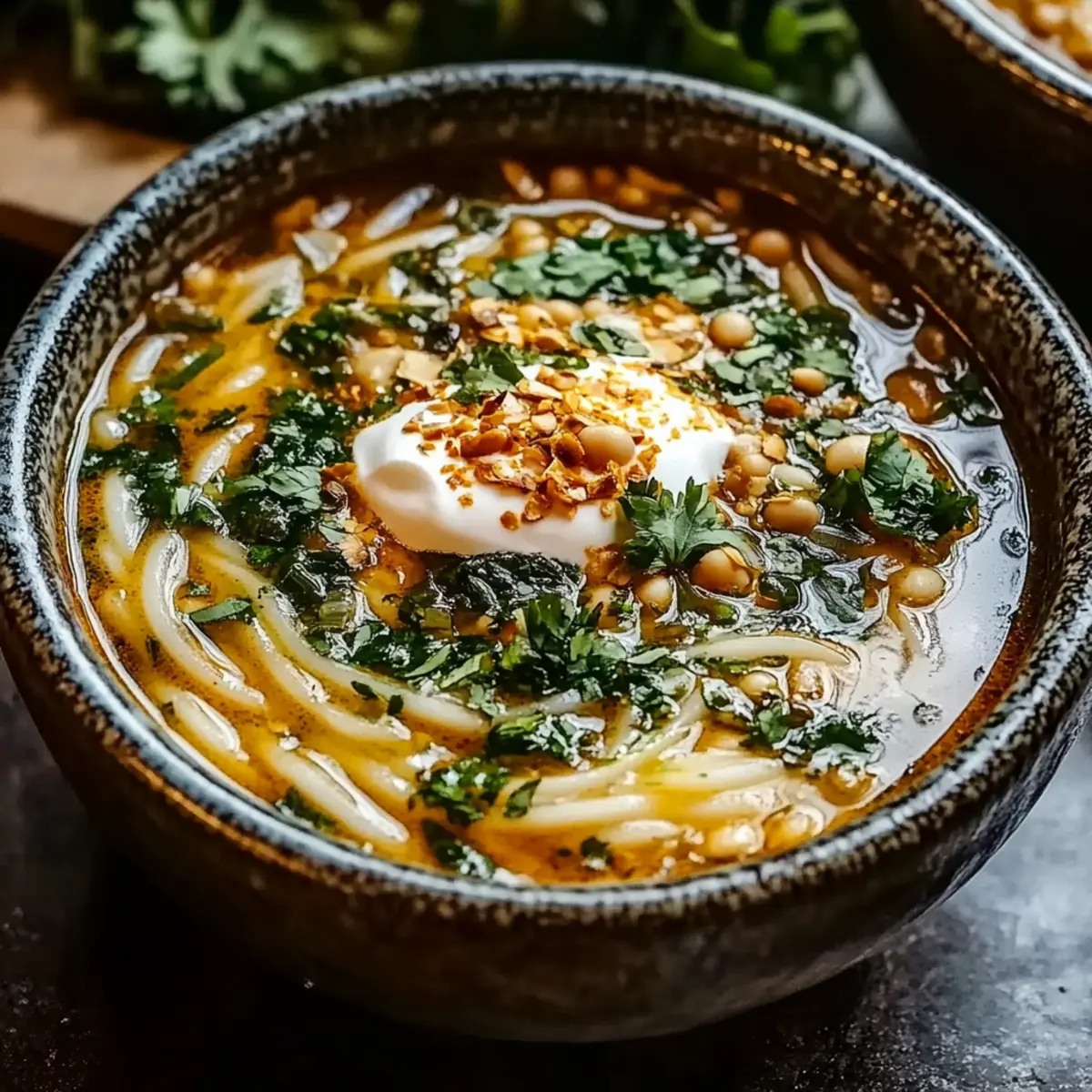
Persian Noodle Soup Recipe FAQs
What type of legumes should I use?
For this Persian noodle soup, I recommend using a mix of lentils, chickpeas, navy beans, and kidney beans. Each brings a unique texture and flavor to the dish. If you prefer, you could also substitute navy beans with black beans or pinto beans, keeping it versatile according to your pantry.
How should I store leftovers?
You can store your Persian noodle soup in an airtight container in the refrigerator for up to 5 days. As the days go by, the flavors will intensify, making your soup even more delightful the next day. Just be sure to give it a good stir before reheating!
Can I freeze Persian noodle soup?
Absolutely! For freezing, I suggest omitting the noodles and fresh herbs. Store the soup without them in airtight containers for up to 3 months. When you’re ready to enjoy it, thaw it overnight in the refrigerator, and then you can add cooked noodles and fresh herbs before reheating for the best flavor and texture.
What if my soup is too thick?
If you find that your Persian noodle soup is too thick, simply add more vegetable broth or water to reach your desired consistency. Stir it in gradually until you achieve that perfect balance. And don’t worry—it will still taste wonderfully flavorful!
Can I make this recipe allergy-friendly?
Certainly! To accommodate allergies, you can skip certain ingredients or use alternatives. For example, if you’re allergic to legumes, consider adding hearty vegetables like carrots or squash. For a gluten-free option, substitute Persian noodles with gluten-free pasta. Always check labels on canned items like chickpeas and broth for potential allergens.
What’s the best way to reheat frozen soup?
To reheat frozen Persian noodle soup, it’s best to first thaw it in the refrigerator overnight. When you’re ready to eat, transfer it to a pot and warm it on medium heat until hot. If you’re in a hurry, you can also use the microwave in short intervals, stirring in between to ensure even heating. Be sure to add your freshly cooked noodles and herbs at this stage!
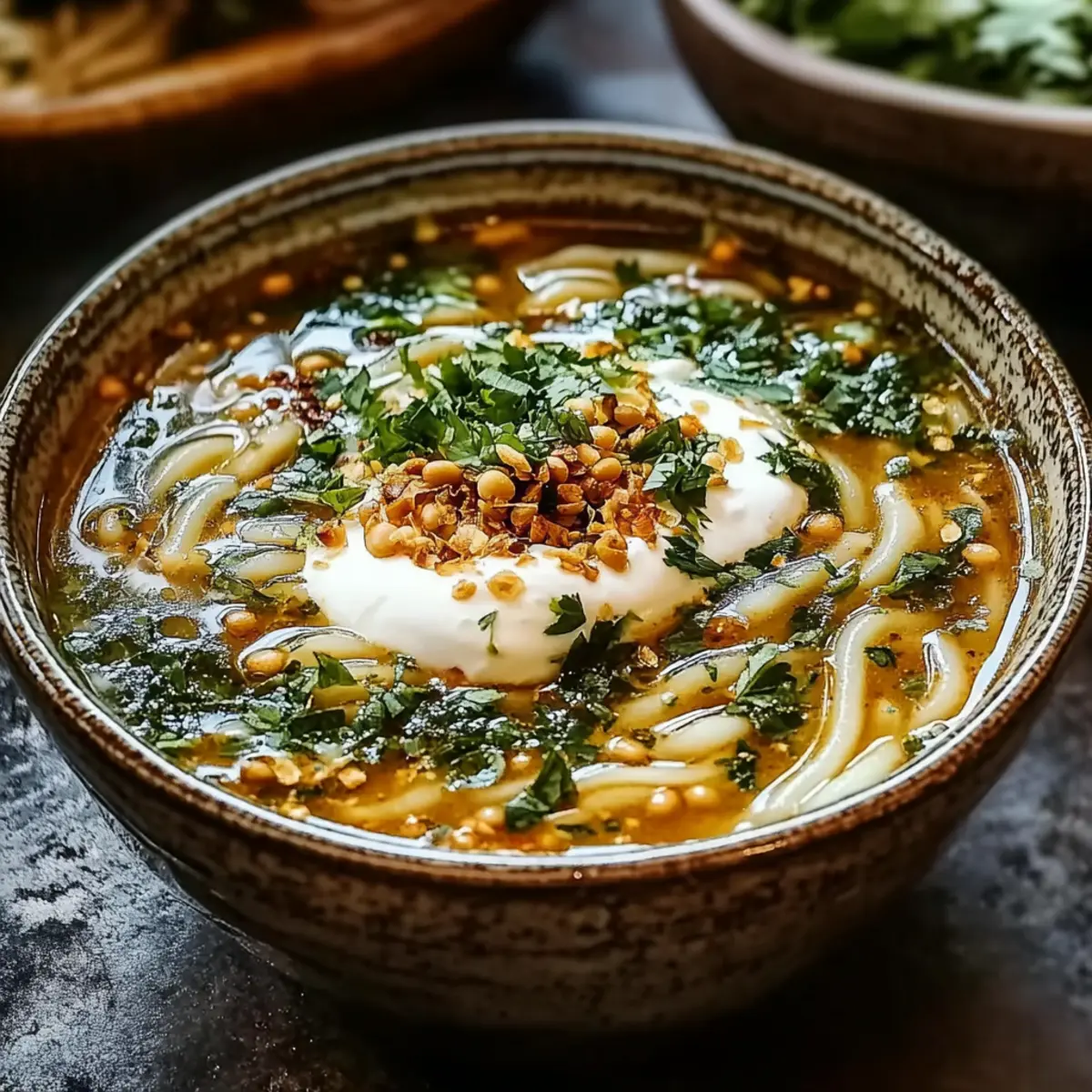
Hearty Persian Noodle Soup Recipe for Cozy Nights In
Ingredients
Equipment
Method
- In a large pot, heat 2 tablespoons of olive oil over medium heat. Add 1 finely diced onion and sauté for 5–7 minutes until the onion becomes soft and translucent.
- Stir in 3 minced garlic cloves and 1 teaspoon of turmeric. Cook for an additional 1–2 minutes until fragrant.
- Pour in 6 cups of vegetable broth, followed by 1 cup each of rinsed lentils, chickpeas, navy beans, and kidney beans. Bring the mixture to a boil.
- Once boiling, reduce the heat to low, cover the pot, and let it simmer for 20 minutes.
- Add 2 cups of Persian noodles or linguine to the pot and simmer for an additional 10 minutes.
- Add 2 cups of chopped spinach, ½ cup each of chopped cilantro, parsley, and dill into the pot. Cook for 5–7 more minutes.
- Season with salt and pepper to taste. Serve hot in bowls, topped with a dollop of sour cream or yogurt and a sprinkle of fried onions.