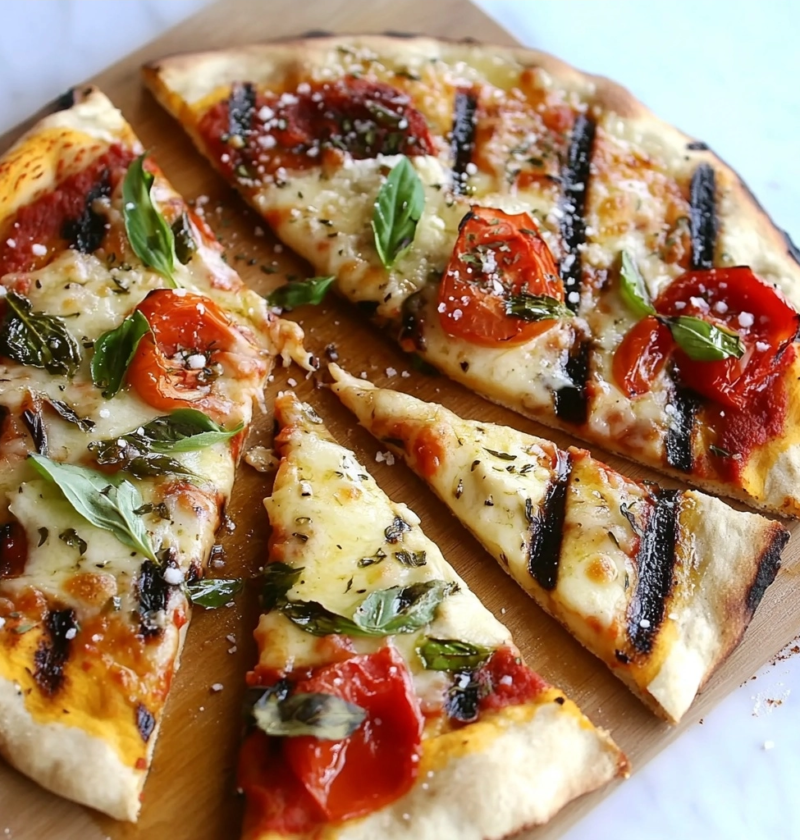
Grilled pizza is a culinary innovation that transforms the backyard barbecue into a gourmet pizzeria. By cooking the dough directly on the grate, you achieve a smoky char and a perfectly blistered crust that is impossible to replicate in a standard oven. This method elevates simple ingredients into a restaurant-quality meal that is perfect for summer gatherings or cozy weeknight dinners.
| Detail | Information |
|---|---|
| Prep Time | 20 minutes |
| Cook Time | 10 minutes |
| Total Time | 30 minutes |
| Servings | 4 servings |
| Difficulty | Easy |
| Cuisine | Italian-American |
| Category | Dinner Ideas |
| Method | Grilling |
Why This Recipe Works
This grilled pizza recipe works because it utilizes a two-zone fire setup that mimics the high heat of a professional deck oven while adding a unique smoky flavor profile. The key to success lies in the timing and the specific heat zones; the hot side sears the crust to perfection, while the cooler side allows the toppings to melt without burning. The use of high-quality olive oil and freshly grated cheeses ensures that every bite delivers a rich, savory experience that is both comforting and exciting.
Unlike traditional baking, grilling introduces a subtle char to the dough that enhances its texture, creating a delightful contrast between the crispy, charred exterior and the soft, airy interior. This method is incredibly forgiving for home cooks because the open flame helps regulate the cooking process, preventing the common issue of soggy bottoms often found in deep-dish styles. The ability to customize toppings allows for endless creativity while maintaining the structural integrity of the pizza.
The recipe is designed to be efficient, allowing you to prepare the dough and toppings in advance so that the actual cooking process is quick and stress-free. By portioning the dough beforehand, you ensure that each pizza cooks evenly and reaches the ideal level of doneness. This approach not only saves time but also ensures that you can serve hot, fresh pizza directly from the grill to the table, maximizing the enjoyment of the meal.
For those looking to expand their outdoor cooking repertoire, mastering this technique opens the door to a variety of other grilled dishes. You can explore different flavor combinations and textures by experimenting with various toppings and sauces. The versatility of this method makes it a staple for any home chef who wants to impress guests with minimal effort and maximum flavor.
Chef Tips for Perfect Results
Mastering the art of grilled pizza requires attention to heat management and dough handling to ensure a flawless result every time.
- Use a two-zone fire: Create a hot side and a cooler side of the grill. This allows you to sear the crust on the hot side and finish cooking the toppings on the cooler side without burning them.
- Preheat the grate: Ensure the grill grates are clean and hot before placing the dough. A hot grate helps prevent sticking and creates those desirable char marks.
- Don’t overload the pizza: Keep toppings light and sparse. Too much sauce or cheese can cause the dough to become soggy or tear during the flipping process.
- Use a peel or spatula: A long-handled peel or spatula is essential for maneuvering the delicate dough on the hot grill. Have everything ready before you start cooking to minimize the time the dough spends on the grate.
- Brush with oil: Brushing the dough with olive oil before cooking adds flavor and helps prevent sticking. It also promotes a golden-brown color on the crust.
- Grate cheese fresh: Pre-shredded cheese often contains anti-caking agents that can prevent it from melting smoothly. Freshly grated cheese melts faster and creates a better texture.
Common Mistakes to Avoid
Avoiding these common pitfalls will help you achieve a perfect grilled pizza every time.
| Mistake | Why It Happens | How to Fix It |
|---|---|---|
| Using dough that is too cold | Cold dough is stiff and difficult to roll out, often resulting in uneven thickness and tearing. | Let the dough rest at room temperature for 30 minutes before rolling to make it pliable. |
| Overloading with toppings | Excessive moisture and weight cause the dough to become soggy and collapse on the grill. | Use a light hand with sauce and cheese, and prioritize high-quality toppings that don’t release excess water. |
| Flipping the dough too early | Attempting to flip the pizza before the bottom has set can cause it to stick or break apart. | Wait until the dough is bubbly and has a firm set on the bottom before attempting to flip it. |
| Ignoring the heat zones | Keeping the pizza entirely on the hot side can burn the crust and dry out the toppings. | Use the cooler side of the grill to melt cheese and cook toppings gently after the crust is seared. |
| Using a dull grill grate | A dirty or rusty grate causes the dough to stick and tear, ruining the presentation. | Scrub the grates thoroughly with a wire brush and oil them lightly before heating. |
| Not seasoning the dough | Plain dough can taste bland and lack depth of flavor. | Season the dough with salt and pepper before brushing with olive oil to enhance the crust’s flavor. |
Variations and Substitutions
Customizing this recipe allows you to cater to different dietary needs and flavor preferences while maintaining the core grilled technique.
| Ingredient or Element | Substitution or Variation | Impact on Flavor or Texture |
|---|---|---|
| Pizza Dough | Gluten-free flour blend or cauliflower crust | Reduces gluten content and alters the crispiness of the crust, often making it softer. |
| Tomato Sauce | Roasted red pepper sauce or pesto | Introduces a smoky, sweet, or herbal flavor profile that complements the grilled toppings. |
| Mozzarella Cheese | Vegan mozzarella or cashew cream | Provides a dairy-free alternative that melts similarly but with a different mouthfeel. |
| Hard Cheese | Nutritional yeast or smoked paprika | Offers a savory, cheesy flavor without dairy and adds a smoky kick to the dish. |
| Toppings | Grilled vegetables or grilled chicken | Enhances the smoky flavor of the grill and adds protein or fiber to the meal. |
| Olive Oil | Avocado oil or melted butter | Alters the smoke point and flavor, with avocado oil being more stable at high heat. |
| Herbs | Dried oregano or chili flakes | Provides a concentrated burst of flavor that complements the charred crust. |
Serving Suggestions and Pairings
Elevate your grilled pizza experience with these complementary sides and serving ideas.
- A crisp Caesar salad with homemade dressing to balance the richness of the cheese.
- Garlic knots or breadsticks brushed with olive oil and herbs for dipping.
- A refreshing glass of iced tea or lemonade to cut through the savory flavors.
- A simple Greek salad with cucumber, tomatoes, and feta cheese.
- Roasted potatoes or sweet potato wedges as a hearty side dish.
- A light fruit salad, such as watermelon or berries, for a sweet finish.
- A side of marinara sauce for those who prefer extra sauce on the side.
- A sprinkle of red pepper flakes for those who enjoy a spicy kick.
For a complete meal, serve the grilled pizza alongside a large green salad and a basket of crusty bread. This combination provides a balance of protein, healthy fats, and carbohydrates, making it a satisfying dinner for the whole family. The fresh acidity of the salad helps cleanse the palate between bites, while the bread ensures no one leaves hungry.
Make Ahead Options
You can prepare several elements of this recipe in advance to streamline your cooking process and ensure a stress-free meal.
Prepare the pizza dough at least one day in advance and store it in the refrigerator. This allows the gluten to relax, making the dough easier to roll out and less likely to shrink back when placed on the grill. You can also portion the dough into individual balls and freeze them for up to three months, thawing them in the refrigerator overnight before use.
Chop and prepare your toppings the night before. Keep vegetables like bell peppers, onions, and mushrooms in airtight containers to maintain their freshness. You can also make the tomato sauce ahead of time and store it in the refrigerator or freezer until you are ready to use it. Having everything prepped and ready to go will significantly reduce the cooking time on the day of the event.
Grilled pizza is best enjoyed immediately after cooking, but you can keep the dough balls in the refrigerator for up to 24 hours before grilling. If you need to delay the cooking, simply wrap the dough balls tightly in plastic wrap and place them in a sealed bag. This method preserves the texture and flavor of the dough, ensuring it remains fresh and ready to use whenever you are ready to fire up the grill.
Storage and Reheating
Proper storage and reheating techniques will help maintain the quality of your grilled pizza leftovers.
| Method | Duration | Instructions |
|---|---|---|
| Room Temperature | 2 hours | Do not leave grilled pizza out at room temperature for more than two hours to prevent bacterial growth. |
| Refrigerator | 3 to 4 days | Store leftover pizza in an airtight container in the refrigerator. The crust may become slightly soft, so reheat to restore crispiness. |
| Freezer | 2 to 3 months | Wrap individual slices tightly in plastic wrap and aluminum foil. Thaw in the refrigerator overnight before reheating. |
| Reheating | 10 to 15 minutes | Reheat in a 400°F oven on a baking sheet until the cheese is melted and the crust is crispy again. |
| Make Ahead | 24 hours | Prepare the dough balls and toppings the day before. Keep the dough refrigerated and toppings at room temperature until cooking. |
Nutritional Information
Approximate values are based on one serving and may vary depending on exact ingredients and portion size.
| Nutrient | Amount per Serving |
|---|---|
| Calories | 350 calories |
| Protein | 12 grams |
| Fat | 15 grams |
| Saturated Fat | 6 grams |
| Carbohydrates | 40 grams |
| Fiber | 2 grams |
| Sugar | 4 grams |
| Sodium | 600 milligrams |
Frequently Asked Questions
Can I use store-bought pizza dough for grilled pizza?
Yes, store-bought pizza dough works perfectly for grilled pizza. However, using dough that has been made at least one day in advance will result in a better texture and flavor. The resting period allows the gluten to relax, making the dough easier to handle and less likely to shrink back when placed on the hot grill.
How do I know when the pizza is done?
The pizza is done when the bottom crust is blistered and golden brown, and the cheese is melted and bubbly. You can check the bottom by gently lifting the edge of the pizza with a spatula. If it looks firm and has nice char marks, it is ready to be flipped and topped.
Can I use a gas grill for this recipe?
Absolutely. You can achieve the same results with a gas grill by turning on all burners to high to preheat and then turning off one or two burners to create a two-zone fire. This method mimics the indirect heat of charcoal grills and prevents the toppings from burning.
What if the dough sticks to the grill?
To prevent sticking, ensure the grill grates are clean and well-oiled. You can also brush the dough with a little olive oil before placing it on the grill. If it does stick, wait a few seconds longer to let the crust set before attempting to move it.
Can I freeze the grilled pizza?
While grilled pizza is best enjoyed fresh, you can freeze it. Wrap individual slices tightly in plastic wrap and aluminum foil. Thaw in the refrigerator overnight and reheat in the oven to restore the crispy crust.
What are the best toppings for grilled pizza?
The best toppings are those that hold up well to high heat and do not release too much moisture. Fresh vegetables like bell peppers, onions, and mushrooms work well, as do cured meats like prosciutto or salami. Keep the toppings light to ensure the crust remains crispy.
Conclusion
This grilled pizza recipe is a testament to the power of simple ingredients and proper technique. By mastering the two-zone fire and handling the dough with care, you can create a delicious, smoky, and satisfying meal that rivals any pizzeria. Whether you are cooking for a crowd or a quiet family dinner, this method guarantees a result that is both impressive and delicious. Enjoy the unique flavor of the grill and the joy of sharing a homemade meal with loved ones.
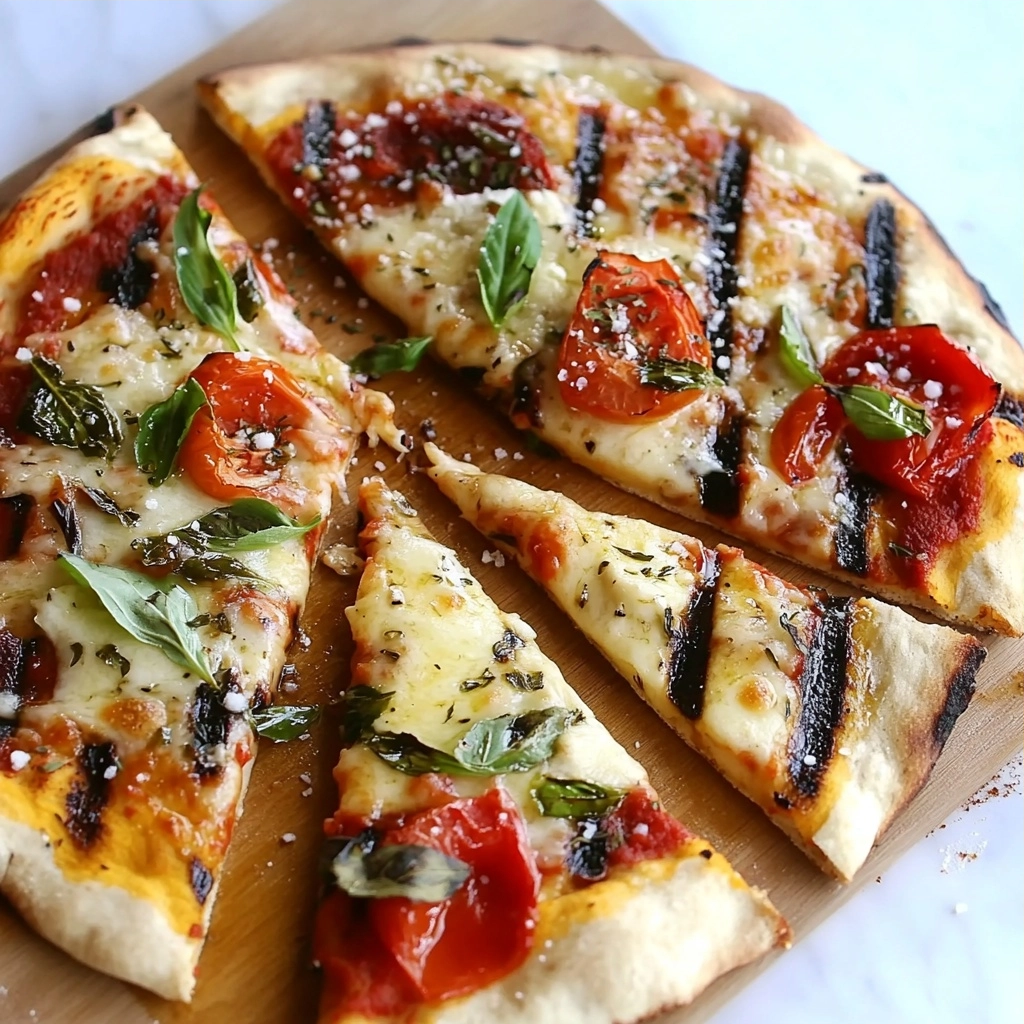
Grilled Pizza: The Ultimate Outdoor Recipe for Crispy Crusts
Ingredients
Method
- Prepare pizza dough by combining flour, salt, sugar, yeast, warm water, and olive oil. Knead until smooth.
- Let dough rest for 10 minutes. Portion into 4 balls.
- Preheat grill for direct (high heat) and indirect (medium-low heat) zones.
- Open grill. Grill dough balls on indirect heat for 4 minutes until set.
- Flip and add toppings. Slide to direct heat zone to char crust for 2-3 minutes.
- Monitor closely until cheese bubbles and crust blisters.
- Remove and let cool 3 minutes before slicing.
Nutrition
Notes
Preseason dough with garlic powder or herbs for extra flavor.
For extra burn protection, layer cheese directly on crust before adding sauce.
Experiment with toppings like grilled zucchini, caramelized onions, or vegan cheese.