Caught in a whirlwind of dinner prep, I often find myself yearning for meals that deliver big on flavor without the fuss. That’s where Beef Yakiniku swoops in, offering a quick and satisfying Japanese delight that’s perfect for busy nights. This recipe features tender slices of grilled beef, marinated in a savory-sweet sauce that transforms humble ingredients into a show-stopping dinner. With just a few pantry staples, you can whip up a protein-rich meal in no time. Plus, it’s gluten-free when you choose the right substitutes, making it accessible for everyone at your table. So, why not treat yourself to a taste of Japan tonight? I wonder how your loved ones will react to the rich aroma wafting through your kitchen!
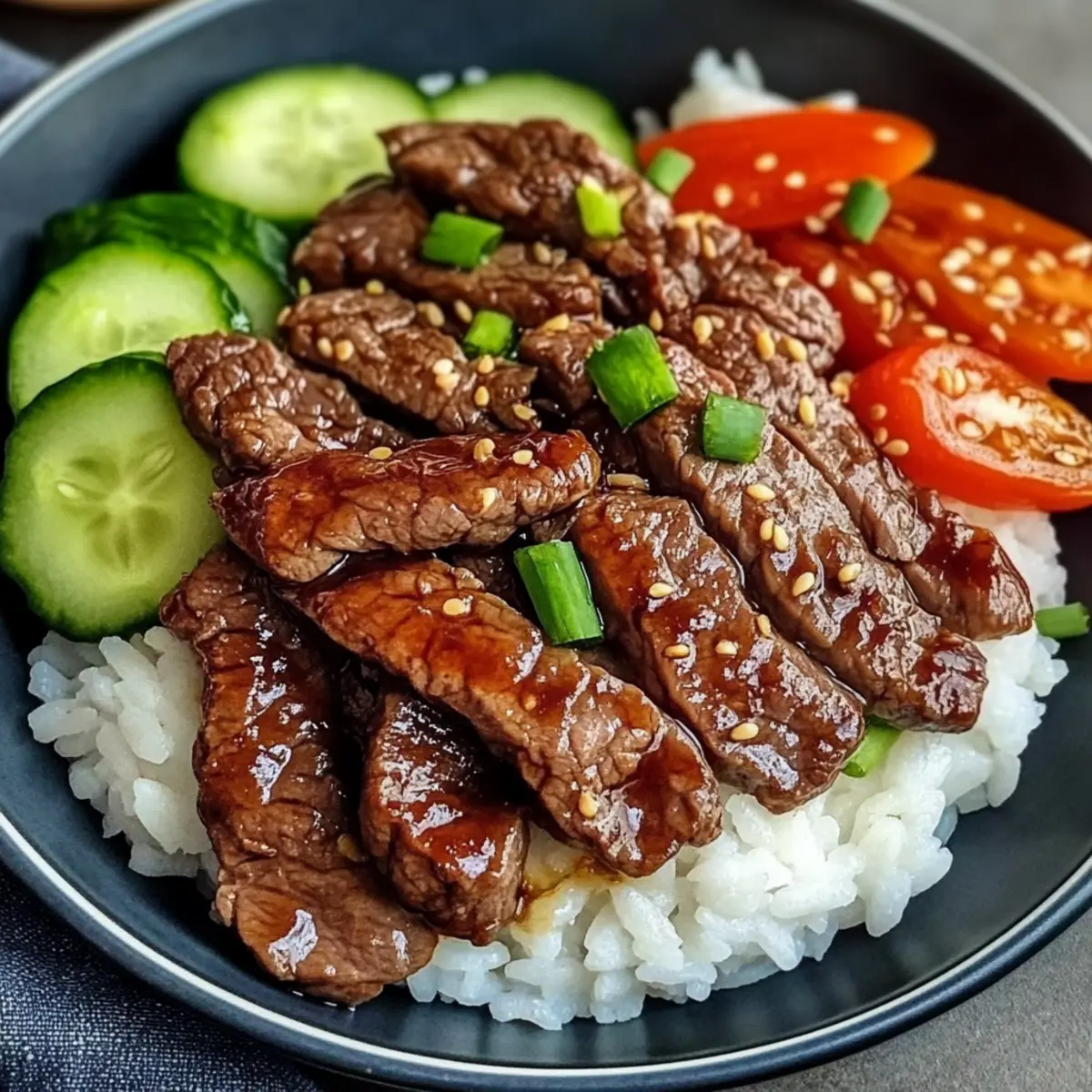
Why choose Beef Yakiniku tonight?
Simplicity and Speed: This recipe marries uncomplicated prep with incredible culinary satisfaction, ideal for busy weeknights.
Savory Sweet Balance: The combination of soy sauce and gochujang creates an irresistible flavor profile that will have everyone coming back for seconds.
Protein-Packed Delight: Rich in protein, Beef Yakiniku serves as a fulfilling meal, perfect for those looking to boost their nutrition.
Versatile Ingredients: Customize your dish with alternative veggies or sauces, making it as unique as your taste preferences. Try adding some stir-fried onions or experimenting with different chili pastes!
Crowd-Pleasing Appeal: This dish not only satisfies your cravings but also impresses dinner guests with its vibrant presentation and delectable taste. Whether enjoyed alongside fluffy rice or fresh salads, it’s a guaranteed hit!
Discover more about Beef Yakiniku Flavor and take your taste experience to the next level!
Beef Yakiniku Ingredients
For the Marinade
- Flank or Skirt Steak – This tender cut absorbs marinades wonderfully, perfect for creating flavorful bites. Substitution: Use sirloin or ribeye for a different texture.
- Low-Sodium Light Soy Sauce – Provides a rich umami flavor without overwhelming sodium levels. Can be swapped with tamari or coconut aminos for gluten-free Beef Yakiniku.
- Gochujang (Korean Red Chili Paste) – This spice adds complex heat and flavor to the marinade. Substitution: Sriracha or regular chili paste will do the trick.
- Mirin – Adds a touch of sweetness to balance the savory notes in the marinade. Can be omitted for reduced sugar content, but it’s best when included.
- Minced Ginger – Freshly minced ginger brings a delightful aromatic quality that enhances the dish. Dried ginger is okay in a pinch, but fresh is always best.
- Garlic Powder/Paste – This ingredient offers a savory kick that elevates the marinade. Consider using fresh minced garlic for a bolder flavor instead.
- Sesame Oil – Provides a nutty richness that complements the meat beautifully. A neutral oil can replace it, but will lack the depth of flavor.
- Neutral Oil (e.g., Avocado or Rapeseed) – Essential for high-heat cooking; promotes searing of the beef. Canola oil also works well for this purpose.
- Light Brown Sugar – Sweetens and caramelizes during cooking, enhancing the overall flavor. Substitution: White sugar or honey can be used if needed.
For Serving
- Fluffy Rice – Serves as the perfect base to soak up the delicious marinade juices.
- Fresh Vegetables – Cucumber and tomato provide a refreshing contrast to the rich beef flavors.
Prepare to indulge in this delightful Beef Yakiniku experience, perfect for a quick dinner!
Step‑by‑Step Instructions for Beef Yakiniku
Step 1: Prepare Marinade
In a medium bowl, whisk together ¼ cup low-sodium light soy sauce, 2 tablespoons gochujang, 2 tablespoons mirin, 1 tablespoon minced ginger, 1 teaspoon garlic powder, 1 tablespoon sesame oil, and 1 tablespoon neutral oil until well combined. Stir in 2 tablespoons light brown sugar for a touch of sweetness. Check for an even consistency and set aside to let the flavors meld while you prepare the beef.
Step 2: Marinate Beef
Thinly slice your flank or skirt steak against the grain to maximize tenderness. Place the sliced beef in the bowl with the marinade, ensuring each piece is generously coated. Cover the bowl with plastic wrap or transfer to a resealable bag. Refrigerate for at least 2 hours, allowing the beef to absorb the flavor and tenderize; for best results, marinate overnight.
Step 3: Heat Pan
Remove the marinated beef from the refrigerator about 15 minutes before cooking to bring it to room temperature. While the beef sits, preheat a large wok or skillet over high heat until it’s smoking hot. This ensures the beef will sear beautifully and not steam. You can warm a serving bowl in the oven to keep your dish hot when serving.
Step 4: Cook Steak
Add half of the marinated beef to the hot wok in a single layer. Sear undisturbed for about 3 minutes to allow the meat to caramelize, watching for a golden-brown crust to form. Afterward, stir and cook for an additional 2-3 minutes until crispy and cooked through. Transfer the cooked beef to the warm bowl and repeat the process with the remaining meat to achieve perfect Beef Yakiniku.
Step 5: Serve
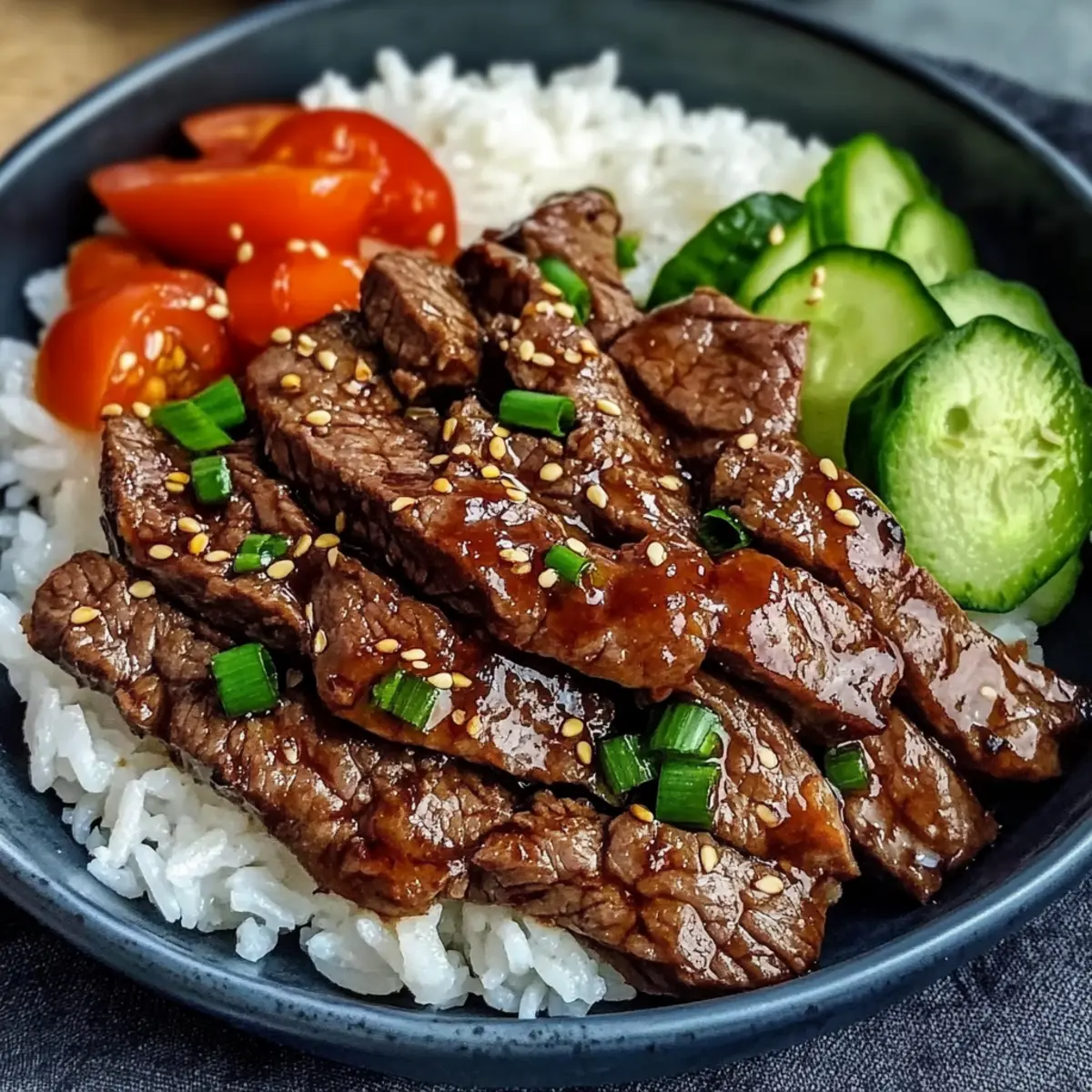
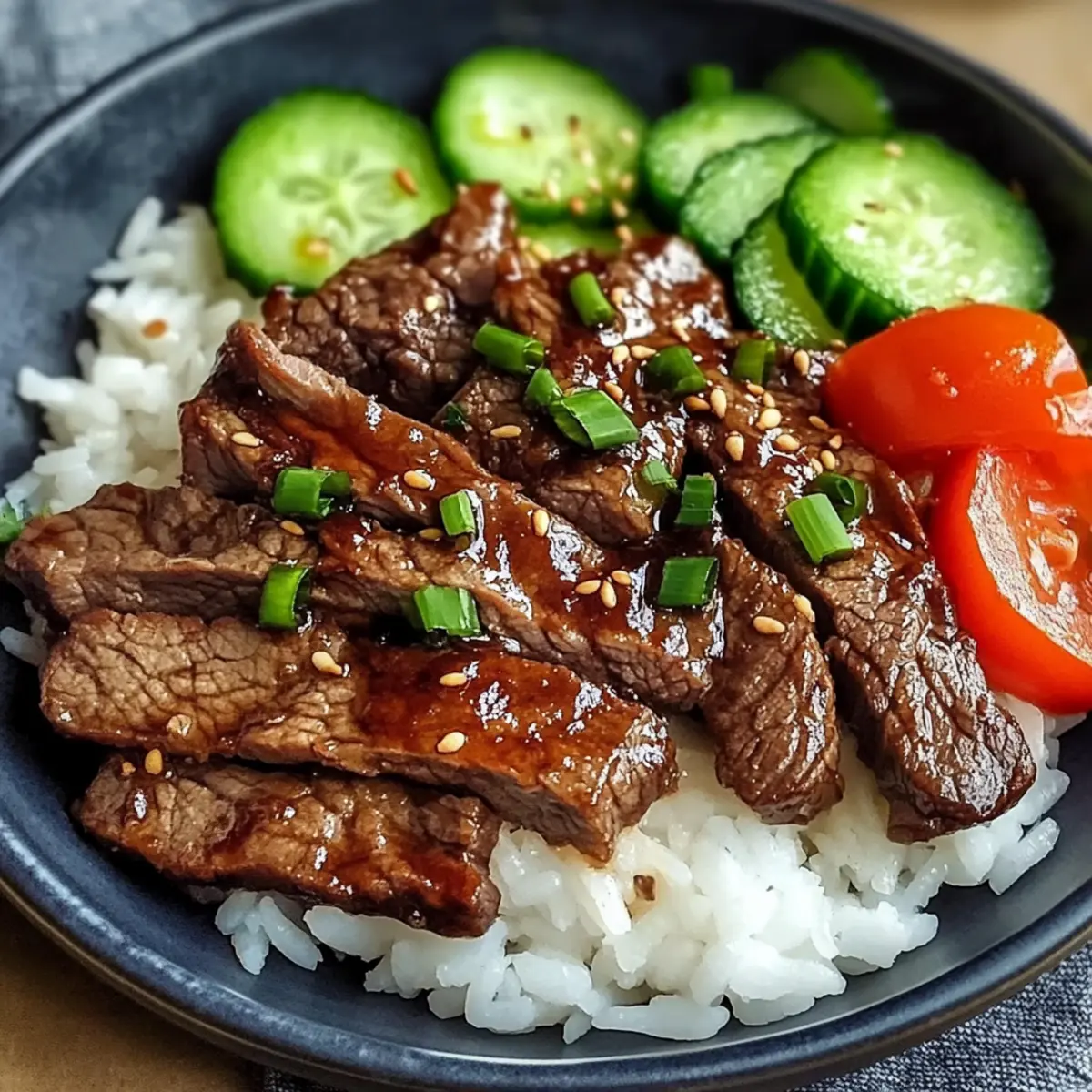
Once all the beef is cooked and transferred to the warm bowl, garnish with sesame seeds for an added crunch. Serve your delicious Beef Yakiniku immediately alongside fluffy rice and fresh vegetables like cucumber and tomatoes, creating a vibrant and complete meal. Enjoy each juicy bite full of flavor!
Expert Tips for Beef Yakiniku
-
Perfectly Thin Slices: For ultra-tender beef, freeze the steak for 20-30 minutes before slicing. This helps achieve even, paper-thin pieces.
-
High Heat Cooking: Always preheat your wok until it’s smoking hot! This step prevents steaming the meat, ensuring that you achieve that delightful caramelization that characterizes Beef Yakiniku.
-
Avoid Overcrowding: Cook the beef in batches, allowing each piece room to breathe in the pan. This not only maintains texture but also helps achieve that smoky flavor.
-
Marination Time: While 2 hours is the minimum marination time, letting the beef sit overnight deepens the flavors, making every bite even more delicious.
-
Garnish Wisely: Enhance the dish’s visual appeal and flavor by topping it with toasted sesame seeds and fresh herbs before serving. It elevates your Beef Yakiniku presentation!
-
Experiment with Vegetables: Consider stirring in some quick-cooking vegetables like bell peppers or snap peas to the wok for added nutrition and a color boost.
Make Ahead Options
Beef Yakiniku is an excellent choice for meal prep enthusiasts seeking efficiency without sacrificing flavor! You can marinate the beef up to 24 hours in advance for deeper, more robust flavor. Simply follow the marinade instructions, then place the thinly sliced beef in a resealable bag or airtight container, ensuring all pieces are coated and as much air is removed as possible to maintain quality. When you’re ready to cook, take the marinated beef out of the fridge about 15 minutes prior to searing to bring it to room temperature. Sear it in a hot wok for perfect caramelization and enjoy a delightful dinner that feels effortless!
What to Serve with Quick and Flavorful Japanese Beef Yakiniku
Transform your Beef Yakiniku into a complete dinner with these delightful sides that elevate the experience.
-
Fluffy Jasmine Rice: A fragrant base that beautifully absorbs the savory marinade, enhancing each flavorful bite of beef.
-
Crispy Asian Salad: Featuring fresh greens and a tangy dressing, this adds crispness and a refreshing contrast to the rich beef flavor. Toss in some edamame or sliced radishes for extra crunch!
-
Stir-Fried Vegetables: Colorful bell peppers, broccoli, and snap peas tossed in garlic and sesame oil offer a vibrant, nutritious balance to your meal, increasing both flavor and texture.
-
Miso Soup: Warm and comforting, this traditional Japanese soup provides a soothing way to start your meal and pairs wonderfully with the beef.
-
Kimchi: This spicy fermented side adds a punchy flavor to your dinner, enhancing the savory notes of Beef Yakiniku while providing probiotic benefits.
-
Sake: A glass of chilled sake complements the savory richness of the beef, making each bite even more enjoyable. Choose a light and fruity option for balance.
-
Green Tea Ice Cream: For dessert, indulge in this creamy treat to cleanse the palate and end the meal on a sweet, refreshing note.
Every accompaniment is crafted to enhance the delicious experience of your Beef Yakiniku, making dinner a delightful occasion.
How to Store and Freeze Beef Yakiniku
Fridge: Store leftover Beef Yakiniku in an airtight container for up to 3 days. Make sure it’s cooled before sealing to maintain freshness.
Freezer: Beef Yakiniku can be frozen in a freezer-safe bag for up to 3 months. Just ensure it’s well-sealed to prevent freezer burn.
Reheating: Thaw overnight in the fridge before reheating on the stovetop over low heat until warm. Serve again with fresh rice and veggies for a quick meal!
Beef Yakiniku Variations & Substitutions
Feel free to embrace your culinary creativity and make this Beef Yakiniku your own with these tasty variations!
- Dairy-Free: Omit any dairy-based sides like creamy dressings or cheeses to keep it light and flavorful.
- Vegetarian Option: Swap the beef for marinated paneer or firm tofu for a satisfying plant-based take! The marinade infuses rich flavors, offering a delicious exploring for those avoiding meat.
- Spicy Kick: Add extra gochujang or even chili flakes to the marinade for a fiery version that spice lovers will adore. Feel free to dial it up or down to suit your heat preference!
- Alternative Proteins: Experiment with chicken thighs or pork tenderloin in place of beef to enjoy different flavors. Each protein brings unique textures and tastes to the dish!
- Flavor Boost: Toss in fresh herbs like cilantro or basil just before serving for an aromatic twist that elevates the dish. It’s a fantastic way to brighten things up!
- Gluten-Free: Use tamari or coconut aminos instead of soy sauce for a delicious gluten-free option. This smaller swap won’t compromise on taste, so everyone can dig in!
- Crunchy Vegetables: Mix in sliced carrots or snap peas during cooking for delightful color and crunch. These veggie additions make the meal even more appealing!
- Sweet Variations: Try using maple syrup or agave nectar instead of brown sugar for a different sweetness that adds richness and depth to the dish.
As you enjoy your cooking journey, consider blending this Beef Yakiniku with ideas from Beef Yakiniku Flavor or experimenting with a grilled twist from Beef Yakiniku Grilled. Your kitchen awaits your delicious innovation!
Beef Yakiniku Recipe FAQs
What type of beef is best for Yakiniku?
Flank or skirt steak is ideal for Beef Yakiniku because these cuts are naturally tender and absorb marinades beautifully. If you prefer a slightly different texture, you can also use sirloin or ribeye.
How do I store leftover Beef Yakiniku?
Absolutely! Store any leftover Beef Yakiniku in an airtight container in the fridge for up to 3 days. Allow it to cool completely before sealing to lock in freshness and flavor.
Can I freeze Beef Yakiniku?
Yes, you can! To freeze, transfer the cooled Beef Yakiniku into a freezer-safe bag, ensuring it’s well-sealed to avoid freezer burn. It will last for up to 3 months. When ready to eat, thaw it overnight in the fridge before gently reheating on the stovetop.
What if my beef is tough after cooking?
Very! If your beef turns out tough, it might be due to cutting against the grain or not marinating long enough. Next time, ensure you slice the meat thinly against the grain and marinate it for at least 2 hours, or even overnight, for optimal tenderness.
Can I use different ingredients in the marinade?
Absolutely! You can customize the marinade according to your tastes. If you can’t find gochujang, try using Sriracha or any chili paste to introduce some heat. For a gluten-free option, substituting regular soy sauce with tamari or coconut aminos works wonderfully.
Is Beef Yakiniku safe for people with allergies?
The dish can be adjusted for various dietary needs! Be cautious with soy-based ingredients if someone is allergic to soy; look for gluten-free alternatives like coconut aminos. Always ensure to check the labels for potential allergens, and make substitutions where necessary for your family’s safety.
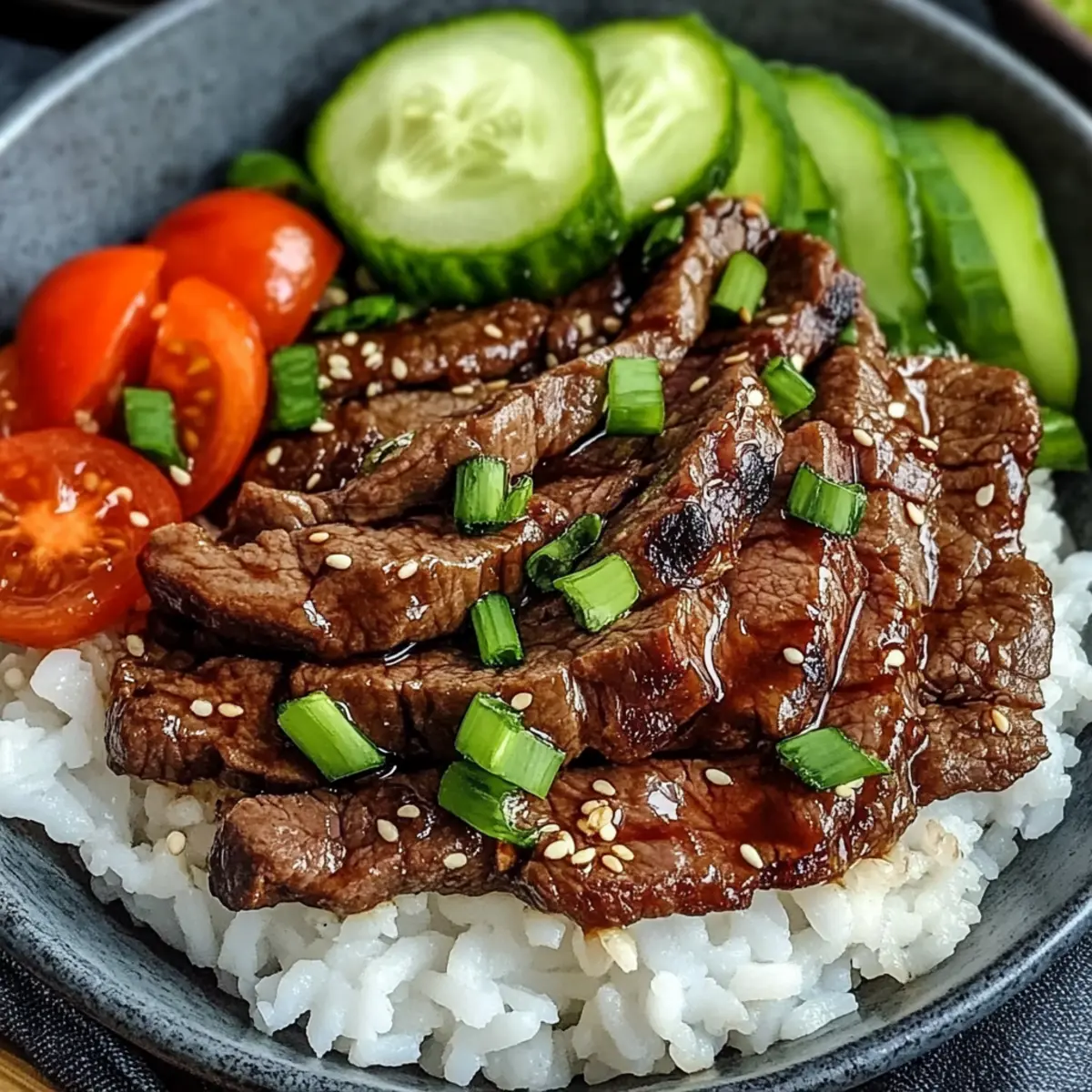
Savor the Flavor: Quick Beef Yakiniku for Busy Nights
Ingredients
Equipment
Method
- Prepare Marinade: Whisk together marinade ingredients in a bowl.
- Marinate Beef: Thinly slice beef, coat with marinade, and refrigerate.
- Heat Pan: Preheat wok or skillet over high heat.
- Cook Steak: Sear beef in batches for caramelization.
- Serve: Garnish and serve with rice and vegetables.