
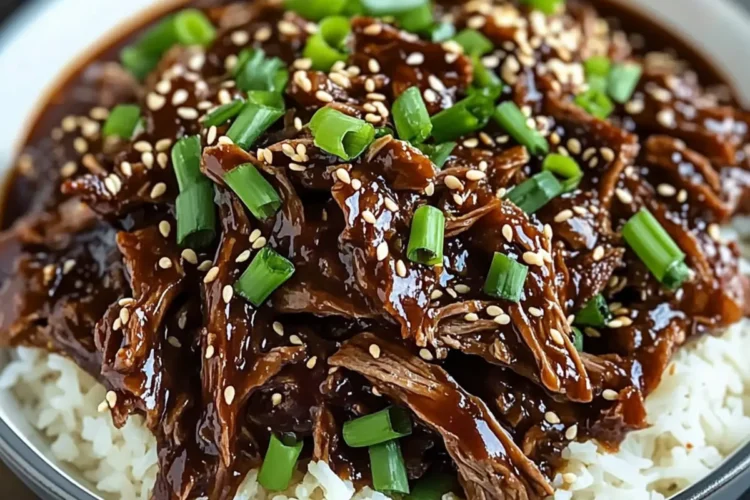
The aroma of simmering beef wrapped in a savory-sweet marinade is like a warm embrace on a chilly evening. I can’t help but smile when I think of my Easy Slow Cooker Korean Beef, a dish that transforms any meal into a comforting family gathering. This recipe captures the essence of classic Korean flavors while keeping the prep simple—perfect for those busy weeknights when time is tight but you still crave something special. With this slow cooker delight, you can savor tender beef melting in your mouth and effortlessly whip up nourishing meals that are truly crowd-pleasers. Ready to savor something authentic without the fuss? Let’s dive into this easy and satisfying recipe together!
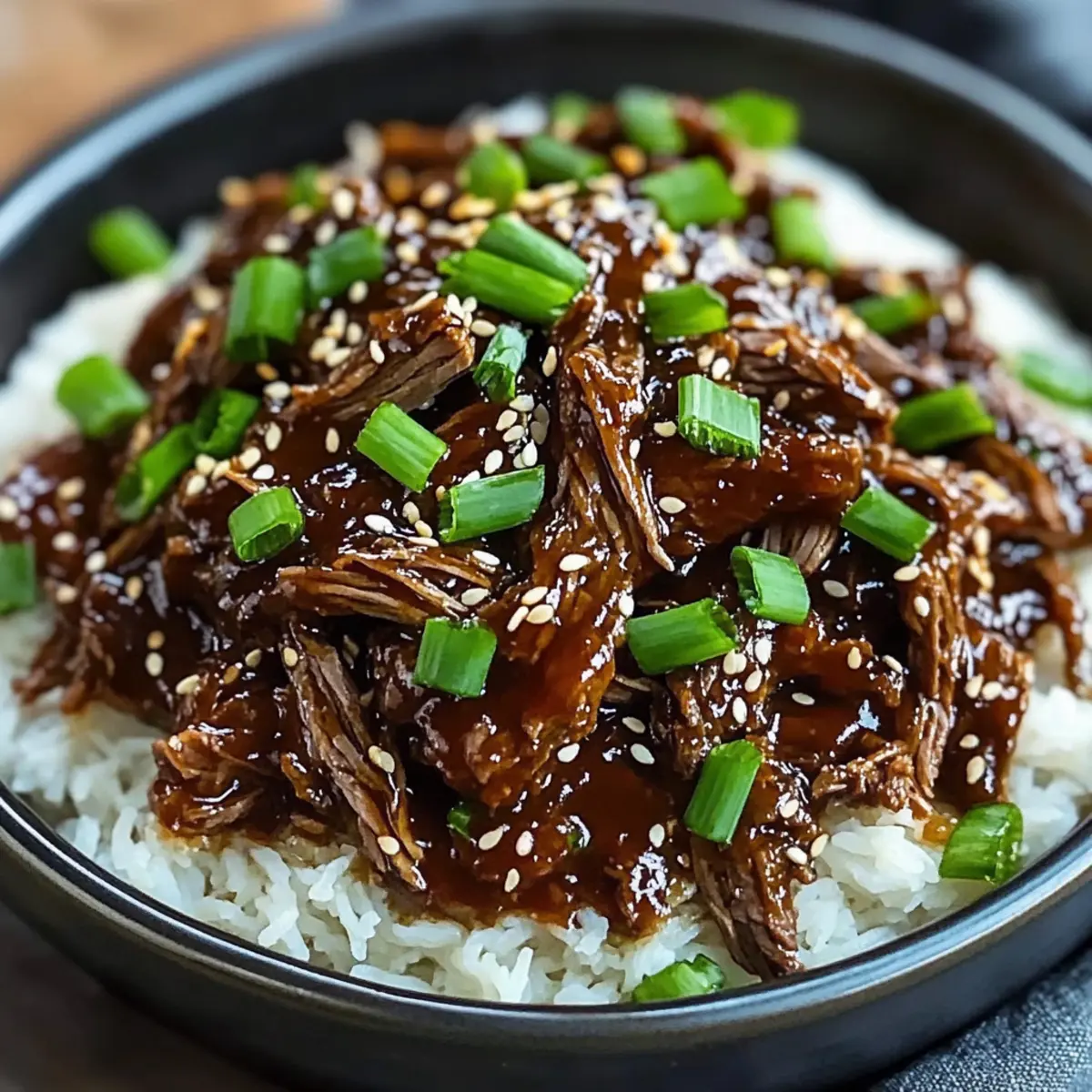
Why Choose Slow Cooker Korean Beef?
Simplicity at its finest: This dish requires minimal prep and lets your slow cooker do all the hard work, making it perfect for busy weeknights.
Savory-sweet explosion: The combination of tender beef and a rich marinade creates flavors that are truly unforgettable.
Versatile options: Whether served over rice or in lettuce wraps, this recipe adapts to your dining needs and can accommodate different dietary preferences.
Crowd-pleasing appeal: It’s an instant hit, making family dinners feel special and perfect for gatherings.
Quick cleanup: Say goodbye to complicated dishes, as everything cooks in one pot, leaving you with less mess and more time to enjoy!
Why not elevate your dinner experience with my Easy Slow Cooker Korean Beef? It’s a meal your family will request again and again!
Slow Cooker Korean Beef Ingredients
• Dive into the heart of this delicious dish with these essential slow cooker Korean beef ingredients!
For the Beef
- Boneless beef chuck roast – Provides rich flavor and tender texture; can substitute with brisket or round for a different bite.
For the Marinade
- Low-sodium soy sauce – Acts as the salty base of the marinade; regular soy sauce can be used, but reduce other salt sources.
- Light brown sugar – Adds sweetness and depth to the sauce; can substitute with honey or maple syrup for a different flavor twist.
- Water – Thins the marinade for even cooking; can be replaced with beef broth for an extra flavor boost.
- Rice vinegar – Adds acidity to balance flavors; apple cider or white wine vinegar are good substitutes.
- Toasted sesame oil – Delivers a nutty richness; regular sesame oil or a lighter oil can work, but will lack depth.
For the Aromatics
- Yellow onion – Adds aromatic sweetness when cooked down; shallots or white onion are valid substitutes.
- Garlic – Infuses savory notes and enhances overall flavor; garlic powder may work in a pinch, though fresh is preferred.
- Fresh ginger – Contributes sharp, spicy notes that elevate the dish; ground ginger can replace fresh, but may change the flavor’s authenticity.
For the Fruity Element
- Asian pear (or Bosc pear) – Contributes natural sweetness and tenderizes the beef; can substitute with a ripe apple for a similar sweetness.
For the Heat (Optional)
- Gochujang (or Sriracha) – Adds heat and depth to the sauce; omit for a milder flavor or adjust to taste.
- Black pepper – Enhances flavor complexity; white pepper is an acceptable substitute for a different profile.
For Thickening
- Cornstarch – Used for thickening the sauce before serving; arrowroot powder can also be a gluten-free alternative.
- Cold water (for thickening) – Creates a slurry for sauce consistency; essential for achieving the right thickness in your dish.
For Garnishing
- Green onions (for garnish) – Adds freshness and color to the dish; chives or leeks can be used as a base.
- Toasted sesame seeds (for garnish) – Provides crunch and nutty flavor; can be omitted if unavailable.
For Serving
- Steamed rice – Serves as a perfect base to soak up that delicious sauce; quinoa or noodles can be alternatives.
- Steamed broccoli or cucumber salad – Adds freshness and texture; other steamed vegetables may also complement the dish beautifully.
Now that we have our Slow Cooker Korean Beef ingredients prepped and ready, let’s cook up a meal that will bring everyone together around the table!
Step‑by‑Step Instructions for Slow Cooker Korean Beef
Step 1: Prep Meat & Optional Sear
Start by patting the boneless beef chuck roast dry with paper towels to enhance browning. If you choose, heat a tablespoon of oil in a large skillet over medium-high heat. Sear the beef for 3-4 minutes on each side until browned, as it adds depth of flavor to your Slow Cooker Korean Beef. Once done, transfer the beef to your slow cooker.
Step 2: Prep Aromatics & Fruit
Next, slice the yellow onion and mince around four cloves of garlic. Grate about an inch of fresh ginger, and peel and grate the Asian pear. Combine these ingredients in a bowl, ensuring the aromatic sweetness of the onion and the unique flavor of the Asian pear are well mixed, which will brighten your savory-sweet marinade.
Step 3: Make Sauce
In the same bowl, whisk together the onion, garlic, ginger, and pear with low-sodium soy sauce, light brown sugar, water, rice vinegar, and toasted sesame oil. For an extra kick, add gochujang and black pepper if you like some heat. Mix thoroughly until smooth—this flavorful sauce is the heart of your Slow Cooker Korean Beef.
Step 4: Slow Cook
Pour the prepared sauce over the beef in the slow cooker. Set your slow cooker to LOW and cook for 6-8 hours or HIGH for 3-4 hours, until the beef is fork-tender and beautifully infused with the marinade. As it cooks, the aroma will fill your kitchen, promising a delightful meal ahead.
Step 5: Shred Beef & Thicken Sauce
Once the cooking time is complete, carefully remove the beef from the slow cooker and use two forks to shred it into bite-sized pieces. Return the shredded beef to the cooker. To thicken the sauce, mix 2 tablespoons of cornstarch with 2 tablespoons of cold water to create a slurry, then stir it into the sauce. Cook on HIGH for an additional 10-15 minutes until thickened.
Step 6: Adjust & Serve
Finally, taste your Slow Cooker Korean Beef and adjust the seasoning if necessary. Serve it over steamed rice, garnished with green onions and toasted sesame seeds for added flair. You can also include a side of steamed broccoli or cucumber salad to round out the meal, creating a comforting and satisfying dining experience.
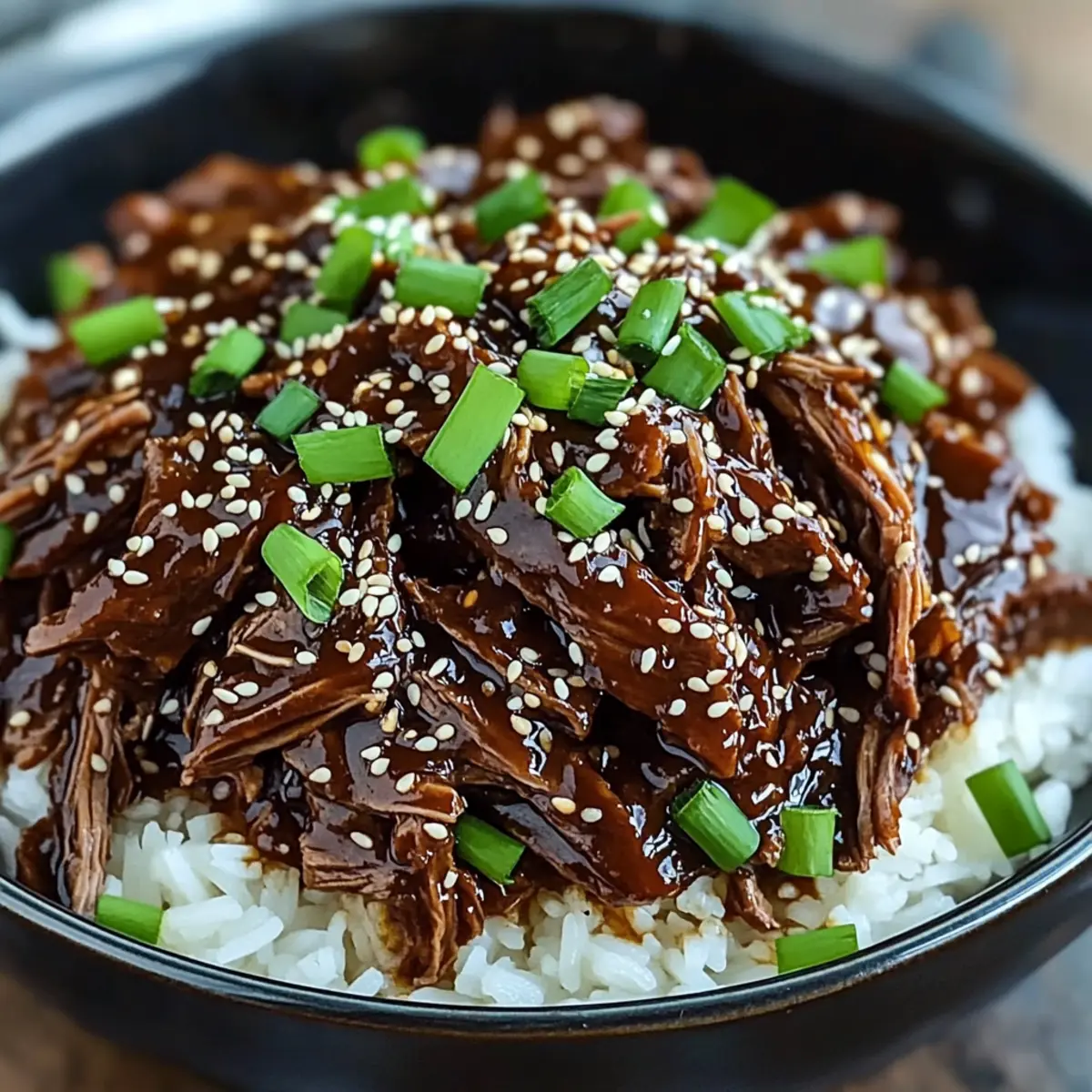
Expert Tips for Slow Cooker Korean Beef
-
Sear for Flavor: Searing the beef before cooking enhances its flavor, creating a richer taste in your Slow Cooker Korean Beef.
-
Check Tenderness: Use a meat thermometer or test with a fork; the beef should easily shred for the best texture.
-
Customize Heat: Adjust the gochujang or Sriracha according to your family’s spice preference to ensure everyone enjoys it.
-
Balance Saltiness: Be cautious with salt; low-sodium soy sauce helps manage salt levels in your dish without sacrificing flavor.
-
Store Wisely: Keep leftovers in an airtight container for up to 3-4 days to maintain freshness and enjoy a delightful meal later.
Slow Cooker Korean Beef Variations
Feel free to make this recipe your own by adding unique twists and substitutions that suit your palate.
-
Chicken or Tofu: Swap the beef for chicken thighs or extra-firm tofu for a lighter, protein-packed variation. The flavors will still sing beautifully.
-
Taco Night: Transform your Slow Cooker Korean Beef into mouthwatering tacos. Just pile the beef into warm tortillas and top with slaw for a delightful crunch.
-
Veggie Boost: Toss in blanched vegetables like broccoli, bell peppers, or even snap peas toward the end of the cooking process. This adds vibrant colors and additional nutrition.
-
Extra Heat: Craving some spice? Incorporate more gochujang or add red pepper flakes to the marinade to crank up the heat level.
-
Quinoa Alternative: Serve the beef over fluffy quinoa instead of rice for a stylish twist. It’s packed with protein and offers a nutty flavor that pairs well with the dish.
-
Sweet and Savory Twist: Experiment with fruit variations! Try using mango chunks or pineapple for a sweet and tangy twist. They caramelize beautifully and enhance the overall flavor.
-
Sauce Variation: If you want to shift flavors, consider adding a touch of orange juice or sesame seeds to the sauce for an aromatic flair. The nuanced flavors can elevate your dish remarkably.
-
Serving Styles: Instead of serving traditionally over rice, use lettuce wraps for a low-carb option that’s fresh and fun. Each bite can be a little token of culinary adventure!
Feel free to explore these variations! If you’re eager to discover more about the rich flavors of Korean cuisine, check out my “Easy Slow Cooker Korean Beef” for a deep dive into the savory tastes that are sure to delight your family.
What to Serve with Easy Slow Cooker Korean Beef
Transform your mealtime experience by creating a comforting spread that highlights the flavor-rich profile of this savory dish.
- Steamed White Rice: Serves as the ideal base, soaking up the irresistible juices of the beef and enhancing each bite.
- Cucumber Salad: This fresh, crunchy side brings a delightful contrast to the tender meat, refreshing your palate with each mouthful.
- Stir-Fried Vegetables: A colorful medley of bell peppers, carrots, and snap peas adds a wholesome crunch that complements the meal.
- Pickled Radishes: Their tangy zest enhances the savory-sweet notes, providing a traditional Korean touch that balances flavors beautifully.
- Korean Kimchi: Adds a spicy kick and probiotic benefits, enriching the meal with layers of traditional taste and texture.
- Sesame Noodles: A light, nutty option that pairs well with the richness of the Korean beef, creating a satisfying and filling dish.
- Miso Soup: This warm, umami-rich soup serves as a soothing addition, enhancing the meal with a comforting, savory depth.
- Chilled Soju: A popular Korean spirit perfect for toasting during dinner, its smooth qualities will elevate your dining experience.
Make Ahead Options
These Easy Slow Cooker Korean Beef are perfect for busy weeknights! You can prepare the marinade and cut your vegetables (onion, garlic, ginger, and Asian pear) up to 24 hours in advance. Simply store the marinade in an airtight container in the refrigerator to keep it fresh and flavorful. When you’re ready to cook, just combine the beef and sauce in the slow cooker and let it do the work! Additionally, you can also shred the beef and thicken the sauce up to 3 days ahead; just refrigerate them separately, then reheat gently on the stove before serving. This allows you to enjoy delicious, savory-sweet Korean beef with minimal effort any day of the week!
How to Store and Freeze Slow Cooker Korean Beef
Fridge: Store leftovers in an airtight container for up to 3-4 days. Let it cool completely before sealing to keep the flavors fresh and vibrant.
Freezer: Freeze Slow Cooker Korean Beef in freezer-safe containers for up to 3 months. Ensure to label each container with the date for ease of access.
Reheating: Reheat gently on the stove over low heat or in the microwave until warmed through. Add a splash of water or broth if the sauce thickens too much during storage.
Thawing: To thaw, transfer from the freezer to the fridge for 24 hours before reheating. This helps retain the savory-sweet flavors and texture of the beef.
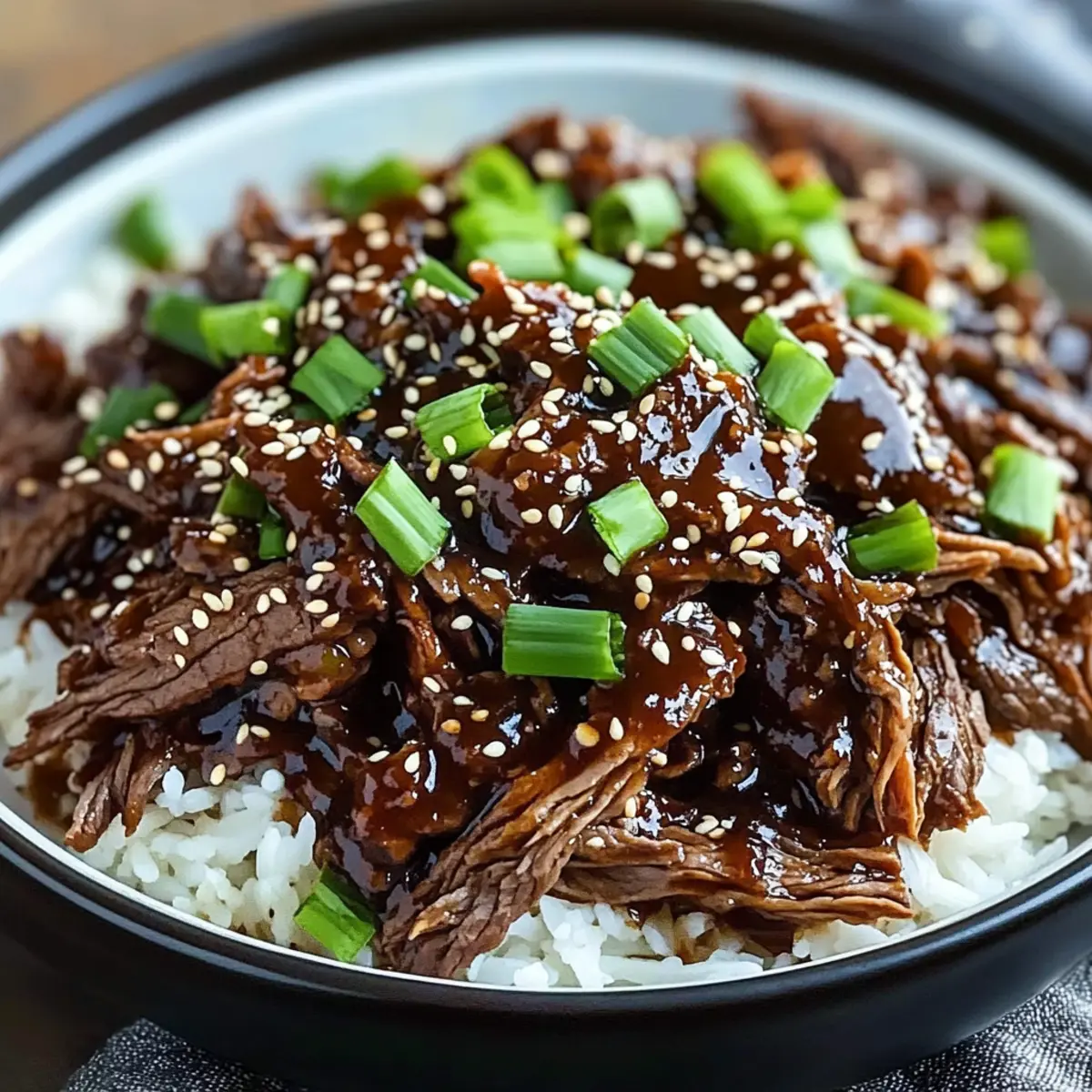
Slow Cooker Korean Beef Recipe FAQs
What type of beef should I use for my Slow Cooker Korean Beef?
Absolutely! Boneless beef chuck roast is the best pick for tenderness and flavor. However, you can also use brisket or round cuts for varied textures, depending on your preference.
How do I store leftovers of Slow Cooker Korean Beef?
Very simple! Store your leftovers in an airtight container in the refrigerator for up to 3-4 days. Make sure to let it cool completely before sealing, which helps keep those delicious flavors intact!
Can I freeze my Slow Cooker Korean Beef? How?
Absolutely, freezing is a great option! Place the cooked beef in freezer-safe containers or freezer bags, ensuring to remove as much air as possible. Label each container with the date, and it can be stored for up to 3 months! When you’re ready to enjoy it again, just transfer it from the freezer to the fridge for 24 hours to thaw before reheating.
What if my sauce turns out too thin?
No worries! If your sauce is too thin, make a cornstarch slurry by mixing equal parts cornstarch and cold water. Stir this mixture into the slow cooker, and cook for an additional 10-15 minutes on HIGH until the sauce thickens to your desired consistency.
Are there any dietary considerations for this recipe?
Great question! This recipe includes soy sauce, which contains gluten, so consider using a gluten-free soy sauce for those with gluten sensitivities. If you’re cooking for kids or people sensitive to spice, feel free to adjust the gochujang or omit it altogether for a milder dish.
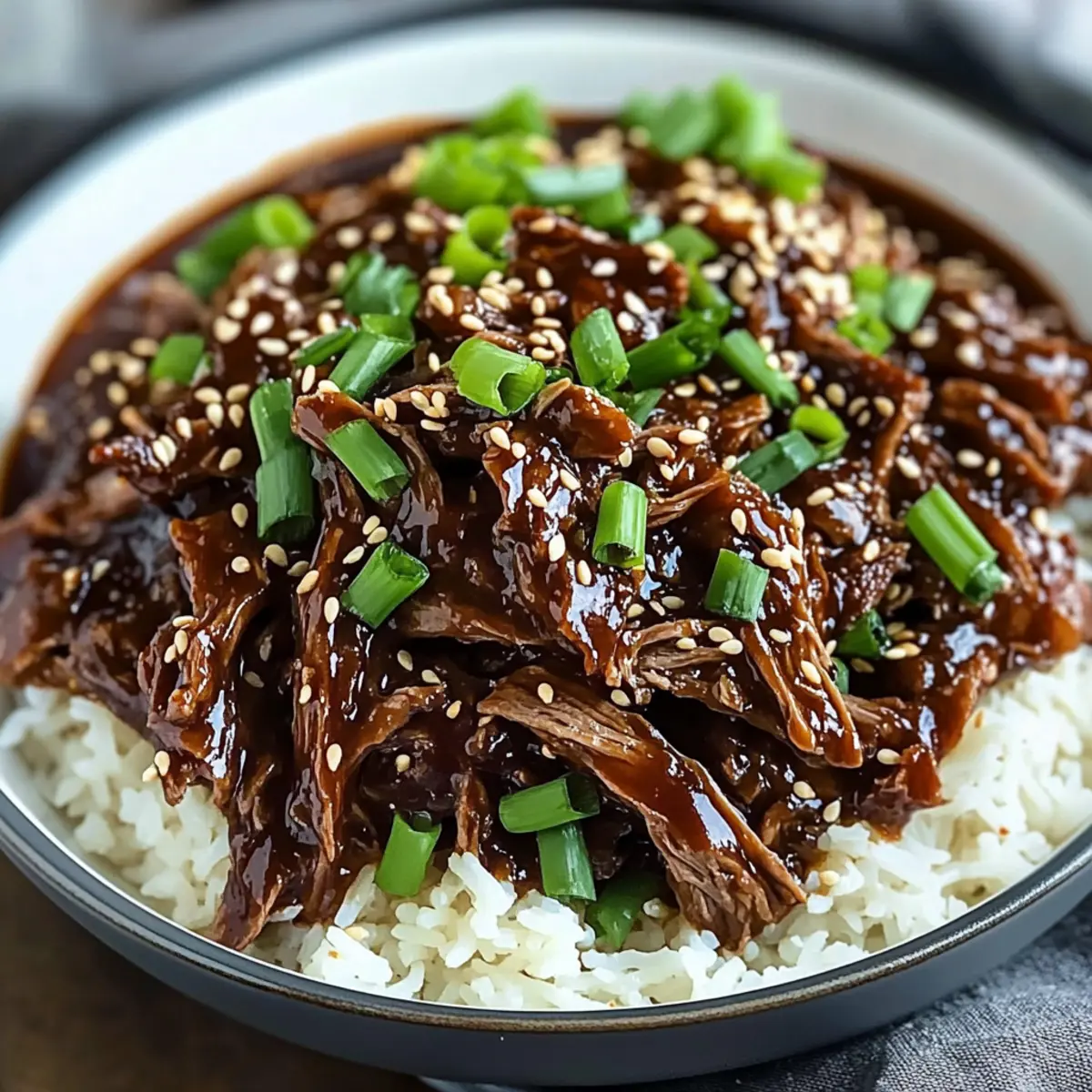
Savory Slow Cooker Korean Beef for Effortless Family Dinners
Ingredients
Equipment
Method
- Pat the boneless beef chuck roast dry with paper towels. Sear in a skillet for 3-4 minutes on each side if desired. Transfer to slow cooker.
- Slice the yellow onion and mince the garlic. Grate the ginger and peel/grate the Asian pear. Combine in a bowl.
- Whisk together onion, garlic, ginger, and pear with soy sauce, brown sugar, water, rice vinegar, and sesame oil. Add gochujang and black pepper for heat.
- Pour the sauce over the beef in the slow cooker. Cook on LOW for 6-8 hours or HIGH for 3-4 hours until fork-tender.
- Remove and shred the beef. Mix cornstarch with cold water to create a slurry, stir it into the sauce, and cook on HIGH for 10-15 minutes until thickened.
- Taste and adjust seasoning if necessary. Serve over rice, garnished with green onions and sesame seeds, with a side of vegetables.