
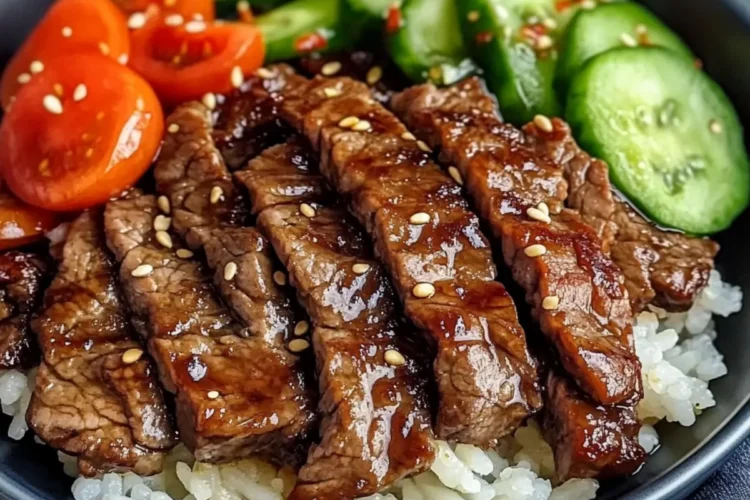
The sizzle of thinly sliced beef hitting a hot grill instantly transports me to bustling izakayas in Japan, where friends gather to share delicious moments. Today, I’m excited to share my go-to recipe for Beef Yakiniku, a delightful dish that comes together in no time. Whether you’re running low on weeknight dinner ideas or seeking a high-protein meal to impress, this quick and customizable recipe is the answer. With savory and sweet notes dancing in every bite, it’s perfect for satisfying cravings and is adaptable to your taste buds, allowing swaps for proteins like chicken or even tofu. Plus, you can prepare the marinade ahead of time, making this a truly low-stress option for busy evenings. Ready to make dinner unforgettable? Let’s dive into this delicious journey!
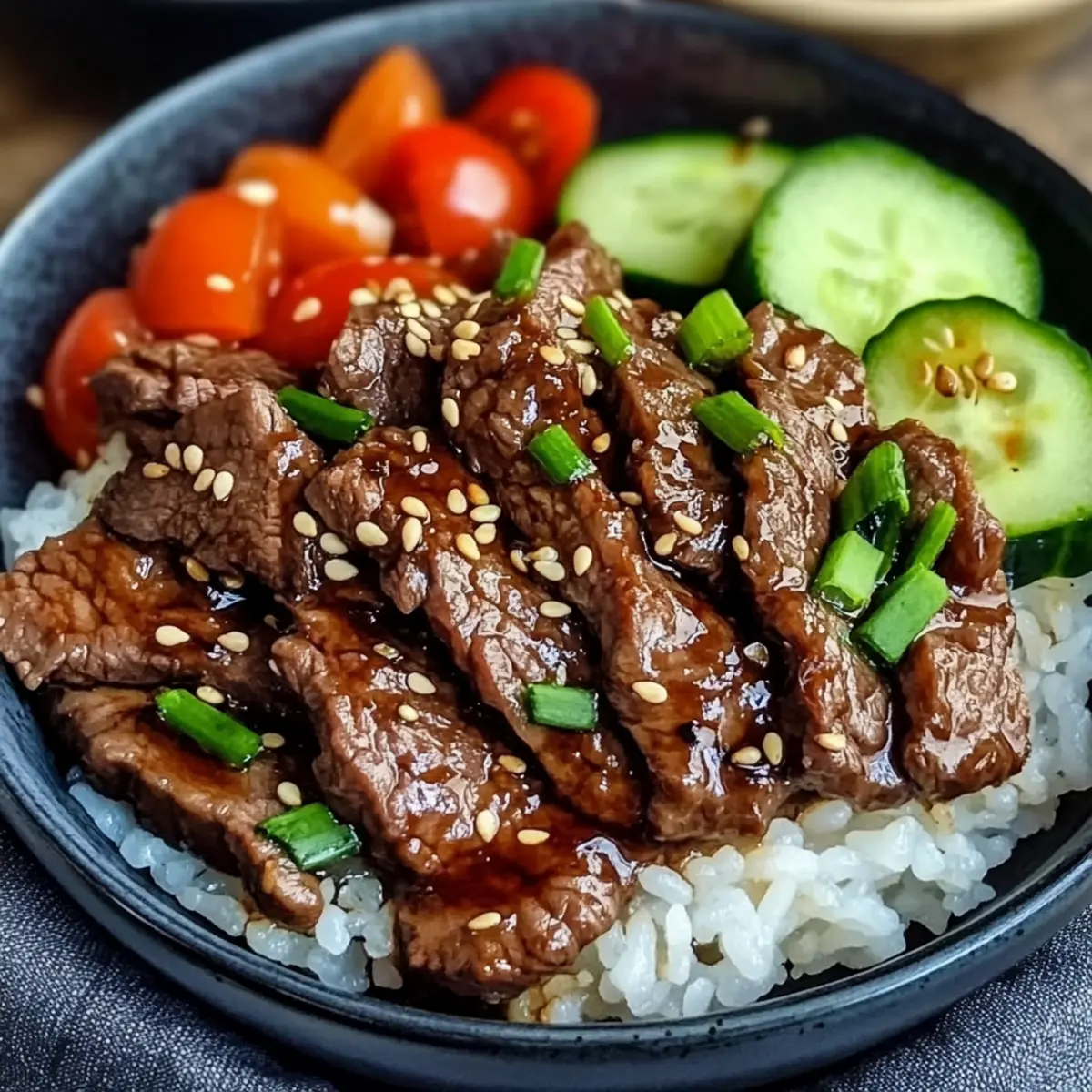
Why is Beef Yakiniku a Dinner Favorite?
Quick preparation: This recipe is designed for busy evenings, bringing mouthwatering flavors to your table in no time.
Flavor explosion: The savory-sweet marinade elevates the dish, ensuring every bite is packed with joy.
Customizable goodness: Tailor the ingredients to your taste—swap in chicken or tofu, or experiment with different sauces.
High-protein delight: Perfect for health-conscious eaters, this dish is not only delicious but also nourishing.
Crowd-pleaser: Whether it’s a family meal or a gathering with friends, Beef Yakiniku steals the show. For more inspiration, check out our Beef Yakiniku Flavor variations.
Beef Yakiniku Ingredients
For the Marinade
• Flank or Skirt Steak – Main protein source; substitute with sirloin or ribeye for different textures.
• Low-sodium Light Soy Sauce – Provides essential umami flavor; tamari or coconut aminos are great gluten-free options.
• Gochujang – Adds a spicy kick; swap with sriracha or chili paste if you’re in a pinch.
• Mirin – Introduces sweetness and depth; no direct substitution recommended, especially for gluten-free diets.
• Minced Ginger – Brightens the marinade with zesty flavor; fresh is best, but powdered works if needed.
• Garlic Powder or Paste – Enhances the flavor profile; fresh garlic offers a stronger taste.
• Sesame Oil – Adds rich, nutty undertones; other oils can work but may change the overall flavor.
• Neutral Oil (e.g., avocado or rapeseed) – Perfect for cooking; look for any high smoke-point oil.
• Light Brown Sugar – Balances savory and spicy elements; regular granulated sugar is a good substitute.
For Serving
• Sesame Seeds – For garnish, providing crunch and a lovely nutty flavor.
• Boiled Rice – Serves as a base, soaking up flavors; can substitute with Asian noodles or quinoa.
• Chopped Cucumber and Tomato – Fresh sides to complement the dish, adding a refreshing crunch.
Now that you have all the ingredients ready, it’s time to immerse yourself in the delightful process of creating this Beef Yakiniku experience!
Step‑by‑Step Instructions for Beef Yakiniku
Step 1: Prepare the Marinade
In a medium bowl, whisk together the low-sodium light soy sauce, gochujang, mirin, minced ginger, garlic powder, sesame oil, neutral oil, and light brown sugar. Ensure the sugar dissolves completely to create a smooth marinade. This savory blend will infuse your Beef Yakiniku with rich flavor, making each bite a delight.
Step 2: Marinate the Steak
Thinly slice the flank or skirt steak against the grain to achieve tenderness. Pour the marinade over the sliced beef in a large mixing bowl, and toss to coat each piece evenly. Cover the bowl with plastic wrap and refrigerate for at least 2 hours, or up to 24 hours for a deeper flavor infusion.
Step 3: Preheat & Cook
Heat a wok or large skillet over high heat until it begins to smoke—this step is crucial for achieving that beautiful caramelization on your Beef Yakiniku. Remove the beef from the marinade (discarding the excess marinade) and cook in batches, searing for 3 minutes without stirring.
Step 4: Finish Cooking the Beef
After the initial sear, stir the beef and continue cooking for another 2-3 minutes until it turns browned and slightly crispy. Keep an eye on the beef to avoid overcooking; it should be tender and juicy, resembling perfectly grilled steak bites.
Step 5: Serve
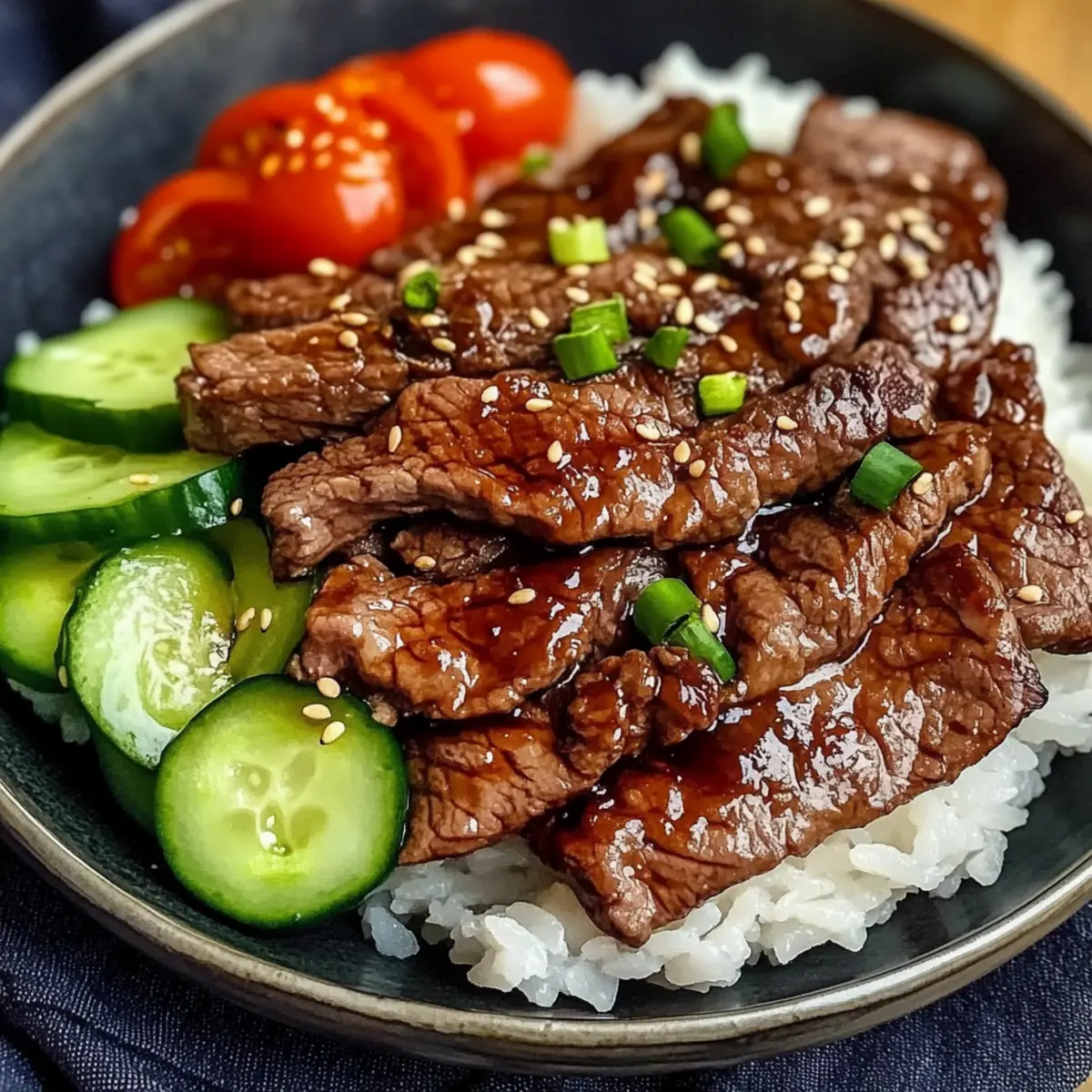
Transfer the cooked Beef Yakiniku to a warm serving bowl, allowing any residual heat to keep it warm. Sprinkle with sesame seeds for garnish, adding texture and a nutty flavor. Serve immediately with bowls of boiled rice and a platter of chopped cucumber and tomato for a refreshing side.
Make Ahead Options
These Beef Yakiniku are perfect for meal prep enthusiasts! You can prepare the marinade and marinate the beef up to 24 hours in advance, allowing the flavors to penetrate deep into the meat. Simply whisk together the marinade ingredients, slice the beef thinly, and toss them in the mixture; refrigerate, covered, until you’re ready to cook. To ensure the beef stays juicy and tender, store it in an airtight container. When ready to serve, heat your wok or skillet and cook the marinated beef as instructed—this way, you’ll have a delicious, satisfying meal on the table with minimal effort, effortlessly saving you time on busy weeknights!
Expert Tips for Beef Yakiniku
-
Thin Slices Matter: Slice the beef as thinly as possible for optimal tenderness. A quick freeze makes slicing effortless.
-
High Heat is Key: Always preheat your pan until smoking to ensure a perfect sear. This avoids steaming and guarantees that mouthwatering caramelization.
-
Batch Cooking: Cook the beef in batches to prevent overcrowding, which can lead to uneven cooking and a less appealing texture.
-
Mind the Marinade Time: While marinating for 2 hours is great, allowing the beef to soak in the marinade for up to 24 hours enhances the flavor of your Beef Yakiniku even more.
-
Serving Temperature: For best results, serve immediately after cooking. Keep everything warm before serving for an enticing presentation!
-
Customize Your Experience: Don’t hesitate to play around with ingredients; adjust spice levels with gochujang or add your favorite veggies for added nutrition and variety!
Beef Yakiniku Variations & Substitutions
Embrace the chance to make this recipe truly your own with fun twists and substitutions that elevate your dining experience.
- Dairy-Free: Use coconut aminos instead of soy sauce for a tasty, dairy-free alternative.
- Protein Swap: Try chicken or shrimp for a lighter option while maintaining that delightful flavor. Tender, juicy proteins will make your meal a hit!
- Spice Level: Adjust the heat by increasing or decreasing the gochujang, or swap it for sriracha for varied heat profiles. Tailor it according to your family’s taste!
- Vegetarian Delight: Replace beef with marinated tofu or tempeh, absorbing the marinade flavors beautifully while keeping it plant-based.
- Extra Veggies: Add stir-fried vegetables like bell peppers or zucchini for a pop of color and nutrients, elevating the dish’s health and flavor.
- Cultural Twist: Bring in a Thai twist by substituting the marinade with a sweet chili sauce or adding a touch of lime for an exciting zesty flavor.
- Noodle Option: Serve over Asian noodles instead of rice for a delightful, hearty alternative that’s equally satisfying. It’s a fun way to change up the texture!
- Crispy Garnish: Top with fried garlic or shallots for an added crunch and depth—these little bites of flavor truly elevate the dish!
For more inspiration, explore our Beef Yakiniku Grilled options, and dive into delicious variations when you crave excitement!
Storage Tips for Beef Yakiniku
Fridge: Keep leftover Beef Yakiniku in an airtight container for up to 3 days. Make sure to cool it down to room temperature before sealing to maintain freshness.
Freezer: For longer storage, freeze the cooked beef in portions for up to 3 months. Just be sure to wrap it tightly in plastic wrap and then foil to prevent freezer burn.
Reheating: When ready to enjoy leftovers, gently reheat the beef in a skillet over medium heat until warmed through. This keeps the texture of your Beef Yakiniku delightful and juicy.
Marinade Storage: If you have extra marinade, it can be stored in the fridge for up to 1 week. Just remember to use it only with ingredients that haven’t touched raw meat for safety!
What to Serve with Quick and Flavorful Beef Yakiniku?
Elevate your beef Yakiniku experience with these delicious pairings that bring a burst of flavor and texture to your plate.
-
Fluffy White Rice: A staple that absorbs the savory marinade, creating a satisfying balance to the rich beef.
-
Stir-Fried Vegetables: Add color and health to your meal with vibrant veggies like bell peppers and snap peas, enhancing both crunch and nutrients.
-
Japanese Pickles (Tsukemono): Traditionally served with Yakiniku, these tangy pickles provide a refreshing contrast to the savory beef.
-
Miso Soup: Warm and soothing, this classic soup brings umami and comfort, perfectly complementing the hearty dish.
-
Szechuan Cabbage Salad: Tossed with sesame oil and vinegar, this crunchy salad brightens the meal and adds a delightful textural contrast.
-
Chilled Sake or Japanese Beer: Sip on these beverages to enhance the dining experience, their lightness cleansing the palate between bites.
-
Fruit Sorbet: Finish your meal on a sweet note; a light sorbet offers a refreshing and fruity contrast to the umami-rich beef.
With these pairings, you’re all set to create a vibrant and satisfying meal that will warm hearts and fill bellies!
Beef Yakiniku Recipe FAQs
What is the best way to select flank or skirt steak for Beef Yakiniku?
Absolutely! Look for cuts that are bright red with minimal dark spots. The meat should feel firm to the touch and have a good amount of marbling, which provides juiciness and flavor. A quick tip: if you can, ask your butcher for a fresh cut, as they’ll often have the best quality available.
How can I store leftover Beef Yakiniku, and how long will it last?
Store your leftover Beef Yakiniku in an airtight container in the fridge for up to 3 days. Before sealing, let the beef cool to room temperature to maintain its freshness. If you’re busy and want a meal ready for later, you can also freeze the cooked beef in portions for up to 3 months!
Can I freeze the marinated beef before cooking?
Yes! To freeze marinated beef, place it in a zip-top bag or airtight container before marinating and flatten it out to remove excess air. This allows for quicker thawing. When you’re ready to cook, simply transfer it to the fridge and let it thaw overnight. Cook it within a day or two after thawing for optimal flavor and safety.
Why is my Beef Yakiniku dry or tough when cooked?
Very! The most common cause of dryness is overcooking. High heat is essential for proper caramelization, but keep a close watch on the cooking time. Flip the beef only once to avoid toughening it. Aim for a total cooking time of about 5–6 minutes, depending on the thickness of the slices. If your meat is tough, it might not have been sliced thinly enough or against the grain; always slice against the grain for enhanced tenderness.
Are there any dietary considerations to keep in mind with this recipe?
Absolutely! For those with gluten sensitivities, make sure to use tamari or coconut aminos instead of regular soy sauce. Additionally, check the labels on other ingredients like gochujang, as it can sometimes contain gluten. If you’re cooking for pets, it’s best to keep this dish away from them due to the seasoning and marinade ingredients that may not be safe for animals.
How can I adjust the recipe for a spicier or more mild flavor?
To customize the spice level of your Beef Yakiniku, start by adjusting the amount of gochujang used in the marinade. For a milder flavor, reduce the amount or substitute it with sriracha or less spicy chili paste. Conversely, if you prefer more heat, feel free to amp up the gochujang or add sliced fresh chilies during cooking for an extra kick. The more the merrier when it comes to making it your own!
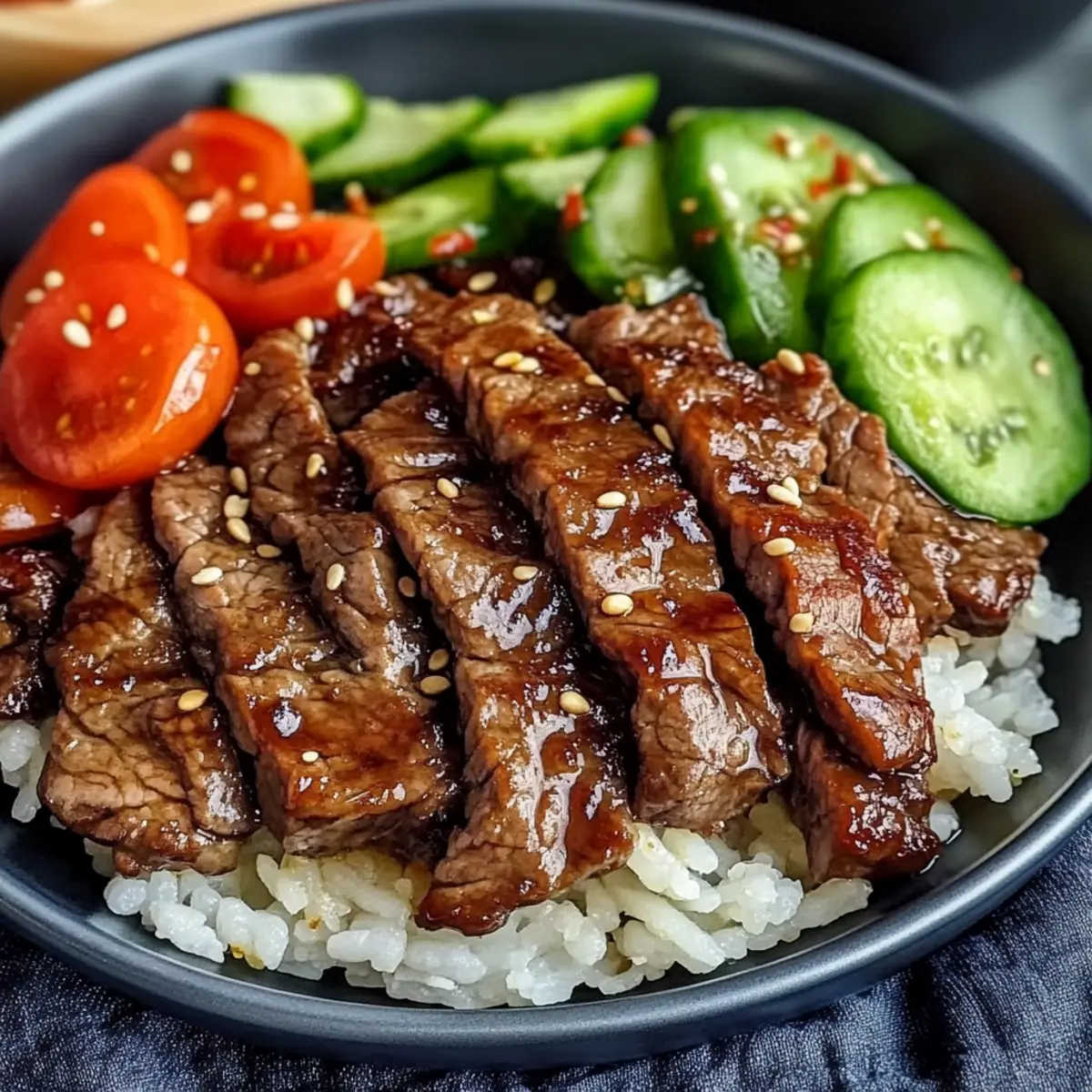
Savory Beef Yakiniku: Quick Grilled Goodness for Dinner
Ingredients
Equipment
Method
- In a medium bowl, whisk together the low-sodium light soy sauce, gochujang, mirin, minced ginger, garlic powder, sesame oil, neutral oil, and light brown sugar.
- Thinly slice the flank or skirt steak against the grain. Pour the marinade over the sliced beef in a large mixing bowl and toss to coat. Cover with plastic wrap and refrigerate for at least 2 hours.
- Heat a wok or skillet over high heat until it begins to smoke. Remove the beef from the marinade and cook in batches, searing for 3 minutes without stirring.
- Stir the beef and continue cooking for another 2-3 minutes until browned and slightly crispy.
- Transfer cooked Beef Yakiniku to a warm serving bowl, sprinkle with sesame seeds, and serve immediately with bowls of boiled rice.