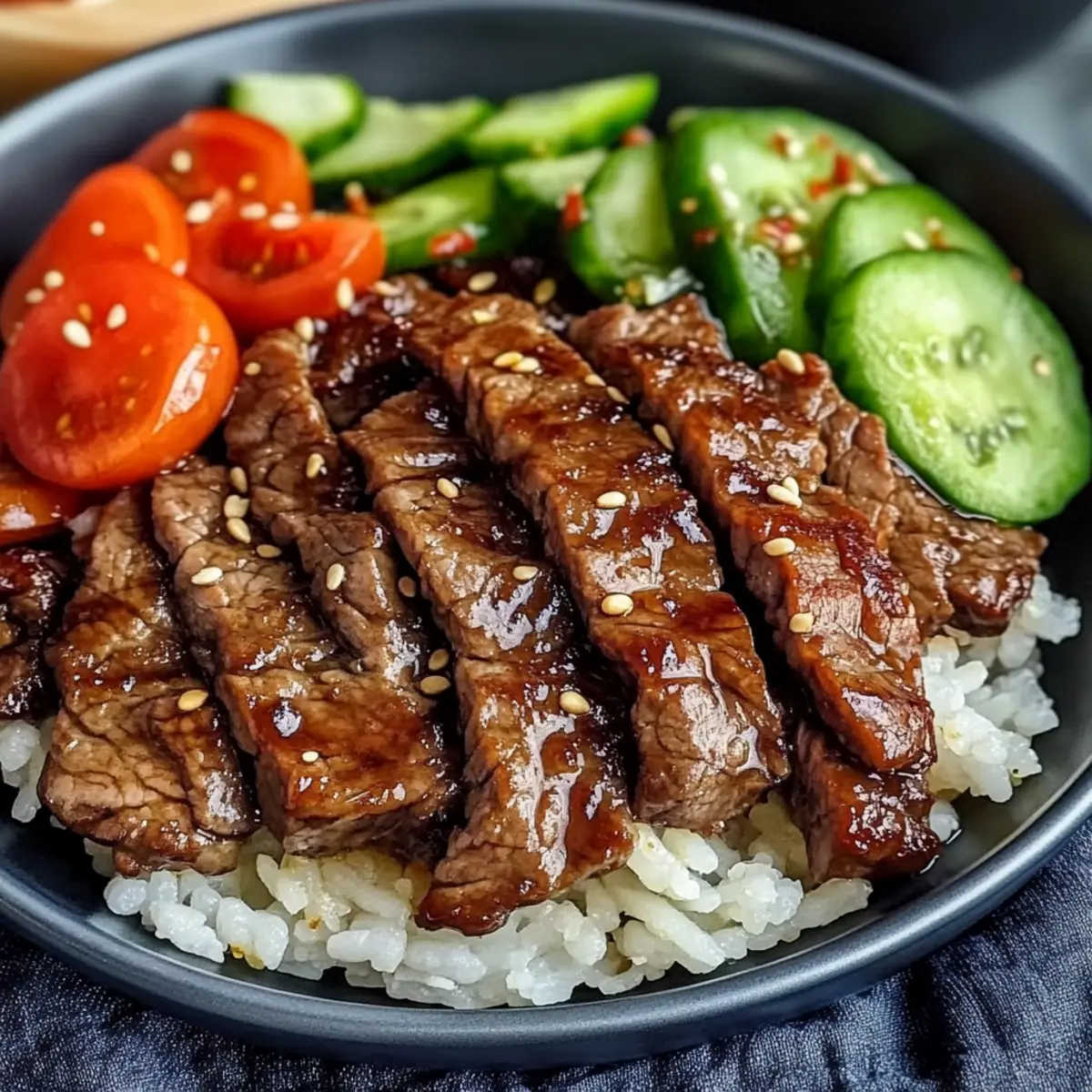
The sizzle of thinly sliced beef hitting a hot pan instantly transports me to a bustling izakaya in Tokyo. Beef Yakiniku, a beloved Japanese dish, has become my go-to for weeknight dinners, seamlessly combining rich flavors and quick preparation. This recipe is not just a meal; it’s a celebration of umami-packed goodness that can be served in under 30 minutes, making it perfect for busy evenings. Plus, you can customize it with various cuts of beef and gluten-free alternatives, ensuring everyone can enjoy it. Whether you’re looking to impress family or simply craving something delicious, Beef Yakiniku is your answer. Ready to dive into this flavor adventure? Let’s fire up that grill!
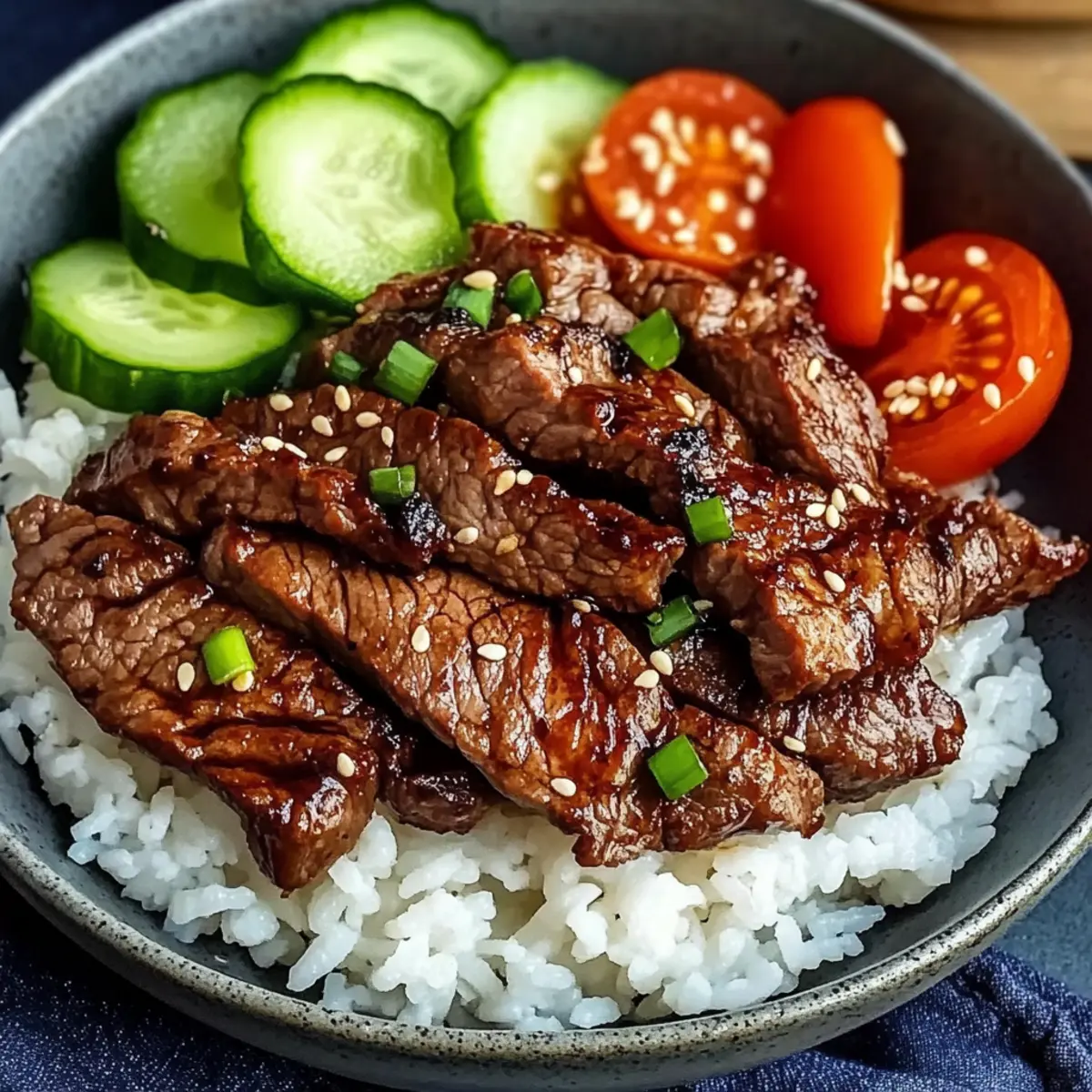
Why is Beef Yakiniku a Favorite?
Quick Preparation: This recipe comes together in under 30 minutes, making it the ultimate weeknight dinner that fits your busy schedule.
Flavor Explosion: A unique combination of savory and sweet, the marinade enhances the beef’s natural richness, creating a mouthwatering dish reminiscent of your favorite izakaya meals.
Versatile Options: Feel free to switch up the cuts of beef or add your favorite vegetables. Options like Beef Yakiniku Grilled allow you to explore different cooking methods for exciting variations.
Crowd-Pleasing Delight: Perfect for family dinners or entertaining friends, Beef Yakiniku is sure to impress even the pickiest eaters with its bold flavors and appealing presentation.
Healthy Twist: This protein-rich dish can easily be made gluten-free, catering to different dietary needs while still offering a satisfying experience.
Beef Yakiniku Ingredients
For the Marinade
- Low-Sodium Light Soy Sauce (80 ml) – Adds savory depth without excess sodium; use tamari for gluten-free alternatives.
- Gochujang (½ tbsp) – Brings heat and complexity; substitute with sriracha for a different spice profile.
- Mirin (1 tbsp) – Acts as a sweet enhancer for flavors; if unavailable, a bit of sugar can work instead.
- Minced Ginger (2 tsp) – Provides freshness and warmth; can replace with ground ginger in a pinch.
- Garlic Powder (½ tsp) or Garlic Paste (1 tsp) – Lends an aromatic base flavor; fresh garlic can also be a great substitute.
- Light Brown Sugar (4 tbsp) – Balances savory flavors; consider white sugar or honey if needed.
For the Beef
- Flank or Skirt Steak – Tender, thinly sliced meat; you can substitute with sirloin or ribeye for variations.
For Cooking
- Sesame Oil (1 tbsp) – Enhances flavor depth with its nutty taste; use a light oil if unavailable.
- Neutral Oil (1 tbsp) – Essential for cooking; avocado or rapeseed oil makes a good choice.
Feel free to embrace your creativity with this Beef Yakiniku recipe to make it your own!
Step‑by‑Step Instructions for Beef Yakiniku
Step 1: Prepare the Marinade
In a medium-sized bowl, whisk together 80 ml of low-sodium light soy sauce, ½ tablespoon of gochujang, and 1 tablespoon of mirin until well combined. Add 2 teaspoons of minced ginger, ½ teaspoon of garlic powder (or 1 teaspoon of garlic paste), 1 tablespoon of sesame oil, 1 tablespoon of neutral oil, and 4 tablespoons of light brown sugar. The marinade should have a smooth texture and a balanced sweet and spicy aroma.
Step 2: Marinate the Steak
Thinly slice 500 grams of flank or skirt steak against the grain for tenderness, and add it to the marinade. Gently toss the beef slices to ensure they are evenly coated, then cover the bowl with plastic wrap. Let the marinating beef rest in the refrigerator for at least 2 hours to allow the flavors to infuse, though you can marinate it longer for an even richer taste.
Step 3: Preheat the Pan
Before cooking the Beef Yakiniku, place a wok or large skillet over high heat and allow it to heat until it starts to smoke slightly, about 5 minutes. While the wok is heating, warm a serving bowl in the oven to ensure your cooked beef stays hot. This step is essential for achieving that beautifully caramelized crust on your beef slices.
Step 4: Cook the Steak
Once the wok is hot, add half of the marinated beef in a single layer, ensuring not to overcrowd the pan. Sear the meat undisturbed for 3 minutes to achieve a nice browning, then stir and continue cooking for an additional 2-3 minutes, or until the beef is browned and cooked through. Remove the cooked beef and place it in the warm serving bowl. Repeat with the remaining beef, following the same cooking method.
Step 5: Garnish and Serve
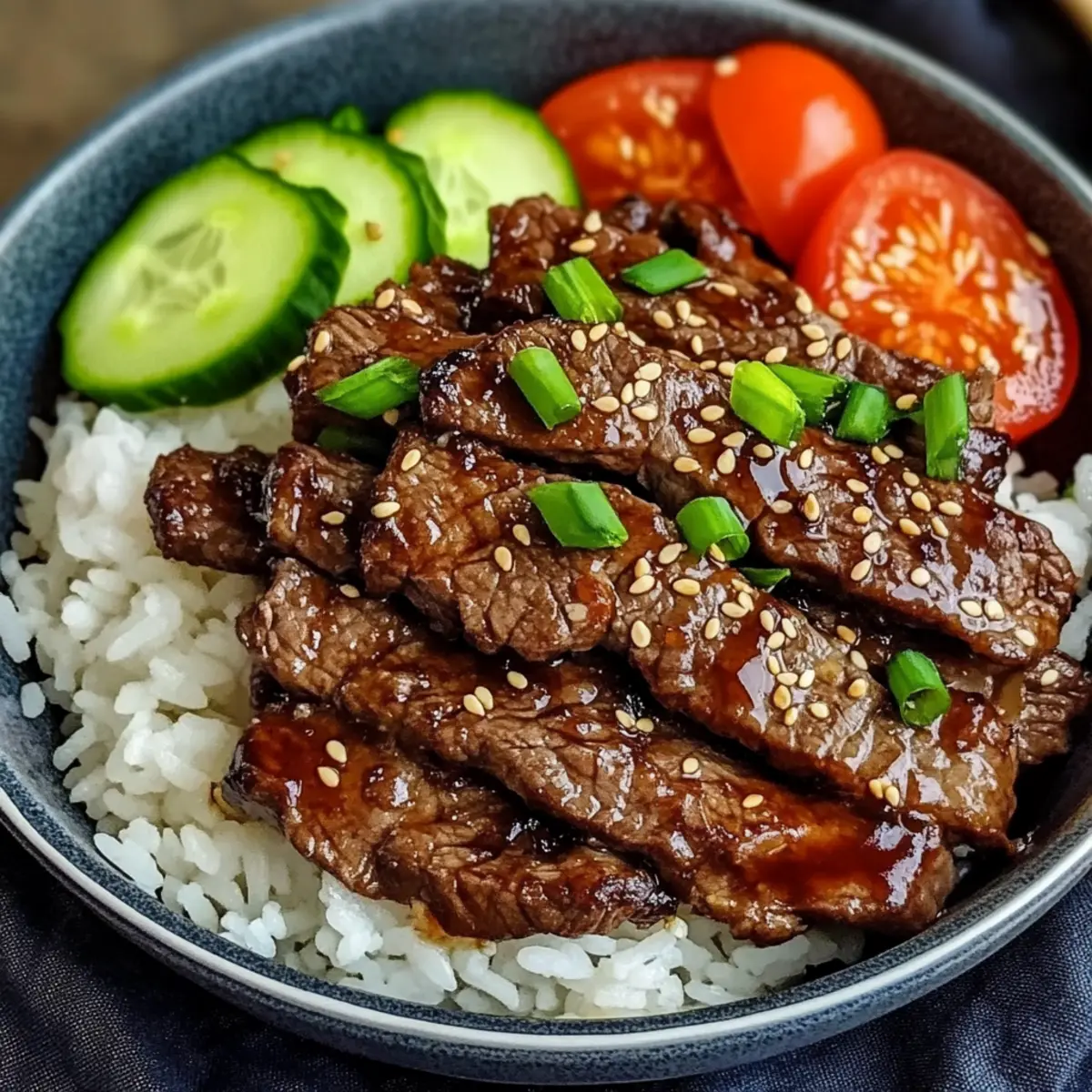
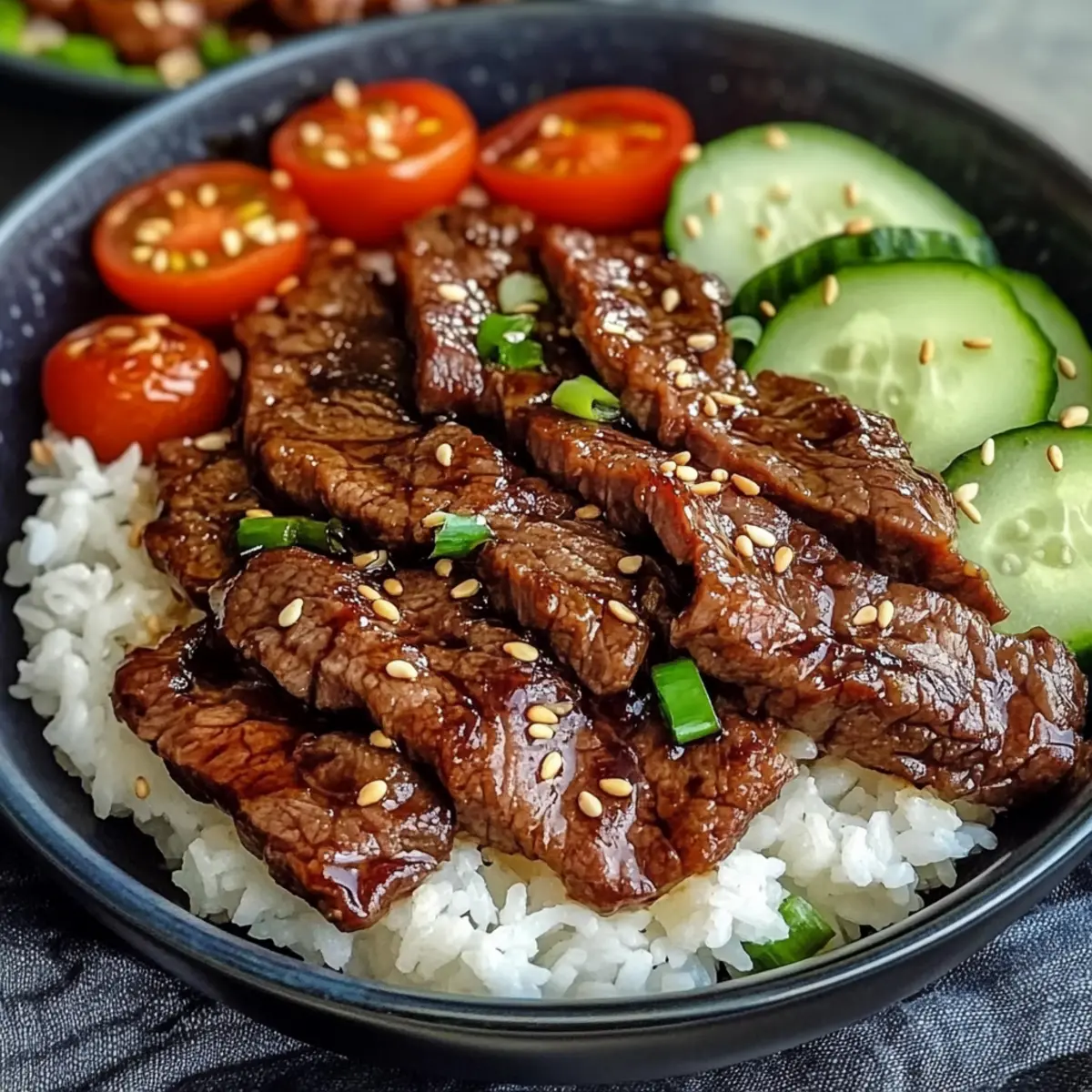
After all the beef is cooked, transfer it to the warm bowl and sprinkle with toasted sesame seeds for added texture and flavor. To complete your serving, plate the Beef Yakiniku alongside steaming boiled rice and fresh, crunchy cucumber and tomato slices. The meal should be served immediately to enjoy the warm, delicious melange of flavors.
What to Serve with Beef Yakiniku?
Elevate your Beef Yakiniku experience with these delicious pairings that bring out the vibrant flavors of this beloved Japanese dish.
- Steamed Rice: The foundation of any great meal, warm rice absorbs the savory sauce and perfectly complements the beef.
- Crisp Cucumber Salad: Fresh, crunchy cucumbers juxtapose the warmth of the beef, adding a refreshing balance to each bite.
- Sesame Spinach: Lightly dressed with sesame oil, this side dish offers a nutty flavor and a delicious contrast in textures.
- Grilled Vegetables: Seasonal veggies like zucchini and bell peppers enhance the meal with their charred sweetness, perfect for a smoky flavor kick.
- Edamame: These tender, buttery soybeans provide a protein boost and a fun snack element to round out your plate.
- Chilled Sake: This traditional Japanese beverage pairs beautifully with the beef’s umami notes, enhancing the overall dining experience.
- Miso Soup: A warm, savory broth makes for a comforting starter that preps your palate for the flavor-packed Beef Yakiniku.
- Fruit Mochi for Dessert: End your meal on a sweet note with chewy mochi filled with fruity goodness, offering a delightful texture and taste contrast.
How to Store and Freeze Beef Yakiniku
Fridge: Store leftover Beef Yakiniku in an airtight container for up to 3 days. Reheat gently in a pan or microwave to retain tenderness.
Freezer: Freeze the marinated steak (before cooking) in a sealed bag for up to 3 months. Thaw overnight in the fridge before cooking to preserve flavor and texture.
Reheating: For best results, reheat cooked Beef Yakiniku in a hot skillet for a few minutes until heated through, ensuring it remains juicy and flavorful.
Make-Ahead: Marinate the beef up to 24 hours in advance for deeper flavor. Just remember to cook it fresh before serving for optimal taste!
Expert Tips for Beef Yakiniku
-
Slice Wisely: Ensure to slice the beef thinly against the grain for the best tenderness and flavor. Partially freezing the steak can make this easier.
-
Hot Wok Required: Preheat your wok until smoking before adding the beef. This high heat caramelizes the surface and prevents steaming, leading to that desirable crust.
-
Avoid Overcrowding: Cook the beef in batches to maintain the pan’s heat. Overcrowding will steam the meat rather than sear it, resulting in a less flavorful Beef Yakiniku.
-
Marinate Longer: For enhanced flavor, marinate the beef for up to 24 hours. This allows the marinade to infuse deeply, making each bite even more savory.
-
Embrace Variations: Don’t hesitate to experiment with different cuts of beef or add in your favorite vegetables for a personalized Beef Yakiniku that suits everyone’s taste!
Beef Yakiniku Variations & Substitutions
Bring your creativity to the table and customize your Beef Yakiniku experience with these delightful variations!
- Protein Swaps: Use chicken thighs or tofu for a lighter or vegetarian option. Just marinate as you would with beef!
- Gluten-Free: Substitute the soy sauce with tamari or coconut aminos for a gluten-free experience without sacrificing flavor.
- Vegetable Boost: Add bell peppers, onions, or zucchini to the pan for a colorful, nutrient-rich stir-fry that complements the beef well.
- Sweetness Level: Adjust the sweetness by substituting brown sugar for honey or maple syrup, giving your dish a unique twist on flavor.
- Heat Factor: Increase or decrease the spice by swapping gochujang with sriracha, or omit it altogether for a milder version.
Want a punch? A splash of chili oil at serving time can amp up the heat without altering the base recipe. - Marinade Richness: Let your beef marinate for up to 24 hours for deeper flavor absorption. The longer it sits, the more intense the umami!
- Serving Style: Try serving your Yakiniku in lettuce wraps for a fun, handheld meal that feels light and fresh.
- Crunch Factor: Serve with crispy fried shallots on top for an irresistible texture that adds depth to every mouthful.
With these variations, you can enjoy endless possibilities. Don’t forget to explore recipes like Beef Yakiniku Flavor for inspiration on how to enhance your meal!
Make Ahead Options
Busy home cooks will love that you can prepare components of Beef Yakiniku ahead of time, saving you precious minutes during the week. You can marinate the beef for up to 24 hours in advance, ensuring that the flavors deepen and intensify. Simply slice the flank or skirt steak, toss it in the marinade, cover it, and refrigerate until you’re ready to cook. To maintain quality, store the marinated beef in an airtight container to prevent any cross-contamination. When you’re ready to fire up the pan, just cook the marinated beef in batches as outlined in the recipe. You’ll enjoy a delicious, hassle-free dinner that tastes just as fresh as if you made it on the spot!
Beef Yakiniku Recipe FAQs
How do I choose the right cut of beef for Yakiniku?
Absolutely! Flank or skirt steak is ideal for Beef Yakiniku due to its tenderness when sliced thinly. If you’re looking for variations, sirloin or ribeye can also work well, providing different textures and flavors. Just remember to slice against the grain for the best chew.
How should I store leftovers of Beef Yakiniku?
Store any leftover Beef Yakiniku in an airtight container in the fridge for up to 3 days. When you’re ready to enjoy it again, gently reheat in a pan over low heat to keep it tender and juicy. You can also microwave it briefly, though I recommend pan-reheating for the best texture.
Can I freeze the marinated beef?
Absolutely! To freeze the marinated steak, place it in a sealed freezer bag after marinating and store it in the freezer for up to 3 months. When you’re ready to cook, simply thaw it overnight in the fridge. This method preserves the flavors beautifully and allows for a quick-cooked meal later.
What if my Beef Yakiniku turns out tough?
If you find your Beef Yakiniku is tough, it could be due to not slicing the meat thinly enough or cooking it too long. Always slice against the grain and aim for a quick cooking time, just until it’s no longer pink. For added tenderness, consider marinating longer—up to 24 hours is ideal for that melt-in-your-mouth experience.
Is this recipe suitable for gluten-free diets?
Very! To make this delicious Beef Yakiniku gluten-free, simply use tamari or coconut aminos instead of regular soy sauce. Most other ingredients should be gluten-free, but do check labels for certain sauces or pastes you might use. This way, everyone can enjoy this gorgeous dish without any worries!
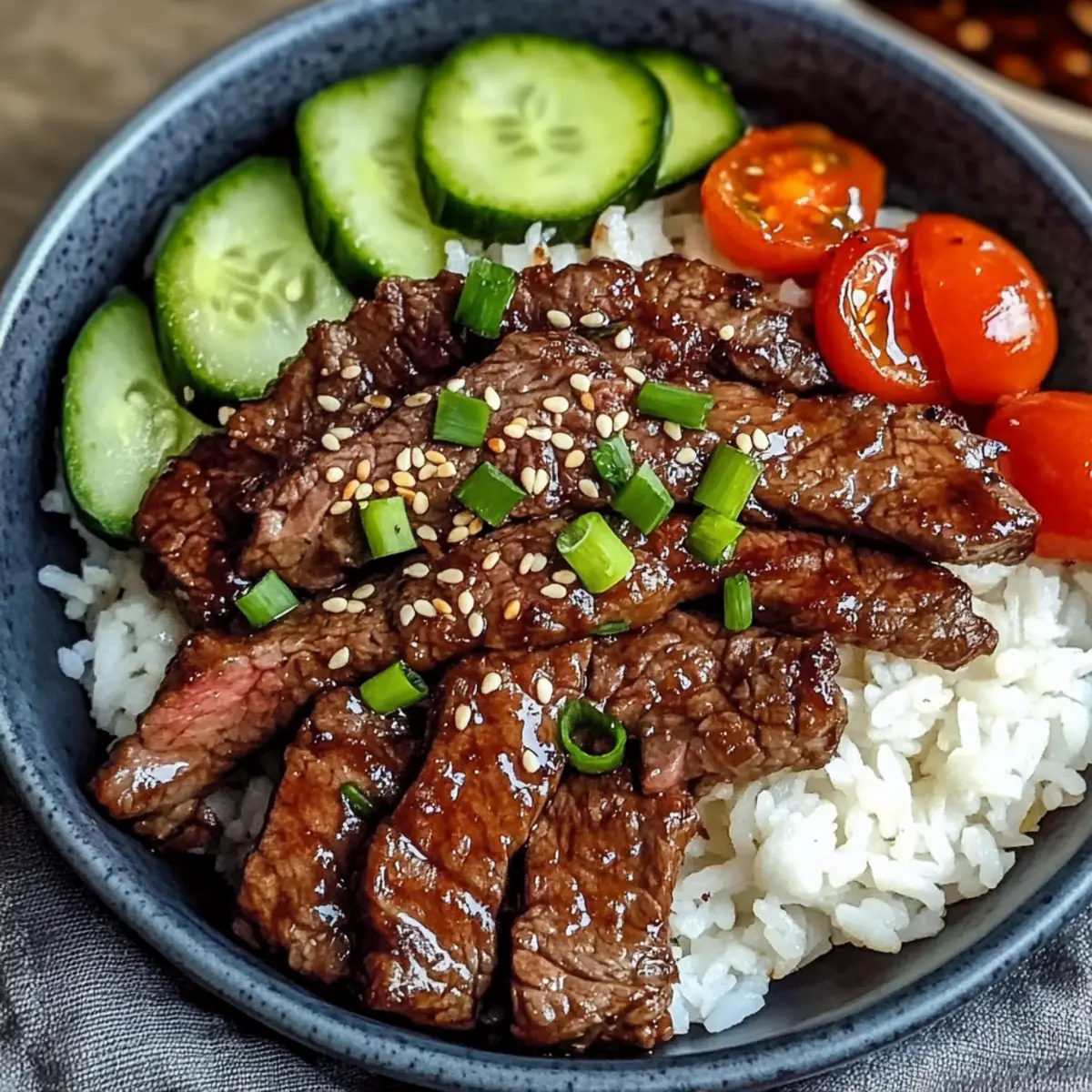
Savory Beef Yakiniku: Quick Japanese Flavor Explosion
Ingredients
Equipment
Method
- In a medium-sized bowl, whisk together the marinade ingredients until well combined.
- Thinly slice the beef against the grain and add it to the marinade; toss to coat.
- Cover and marinate in the refrigerator for at least 2 hours.
- Preheat a wok or skillet over high heat until smoking.
- Cook the marinated beef in batches to avoid overcrowding the pan.
- Serve immediately garnished with sesame seeds alongside rice and vegetables.