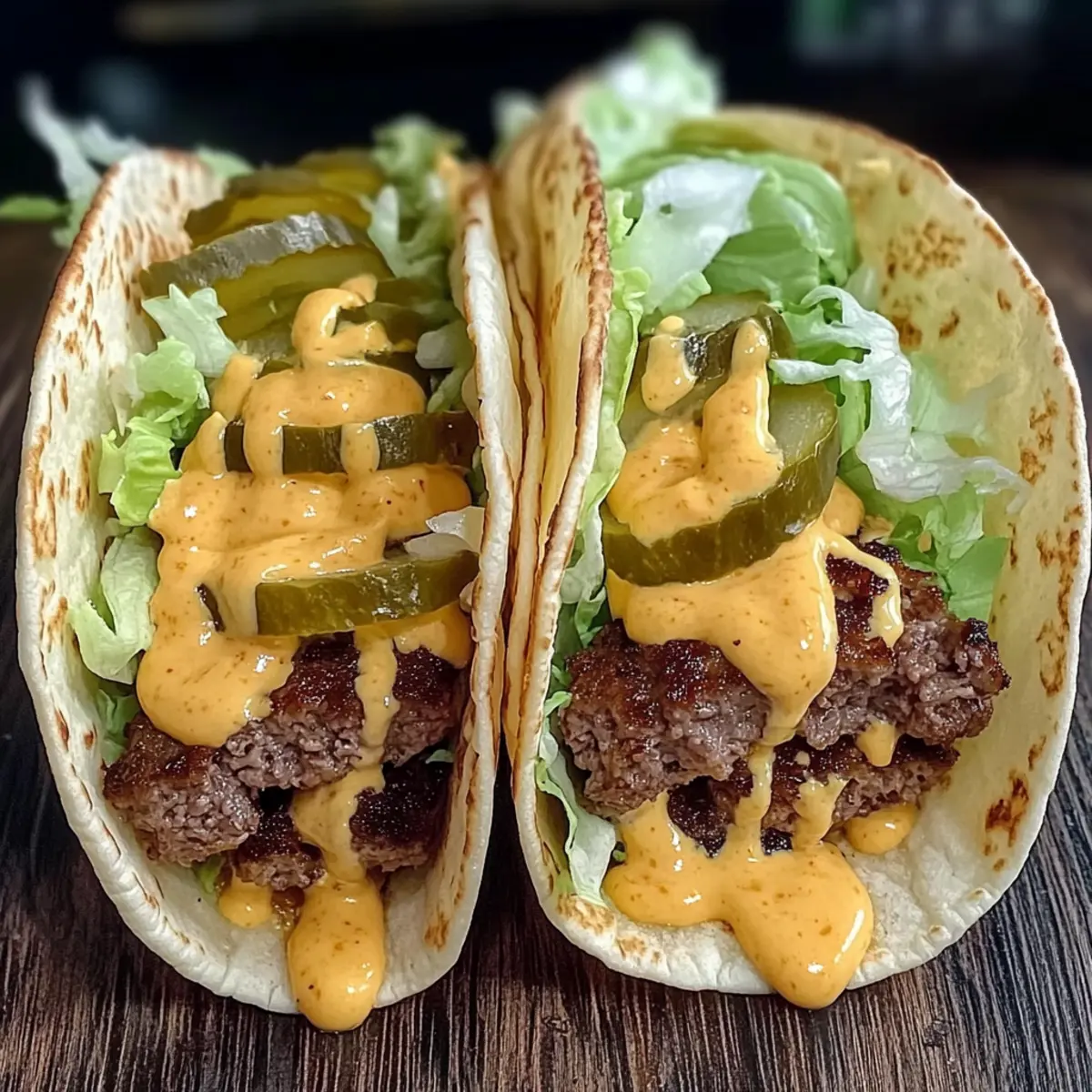
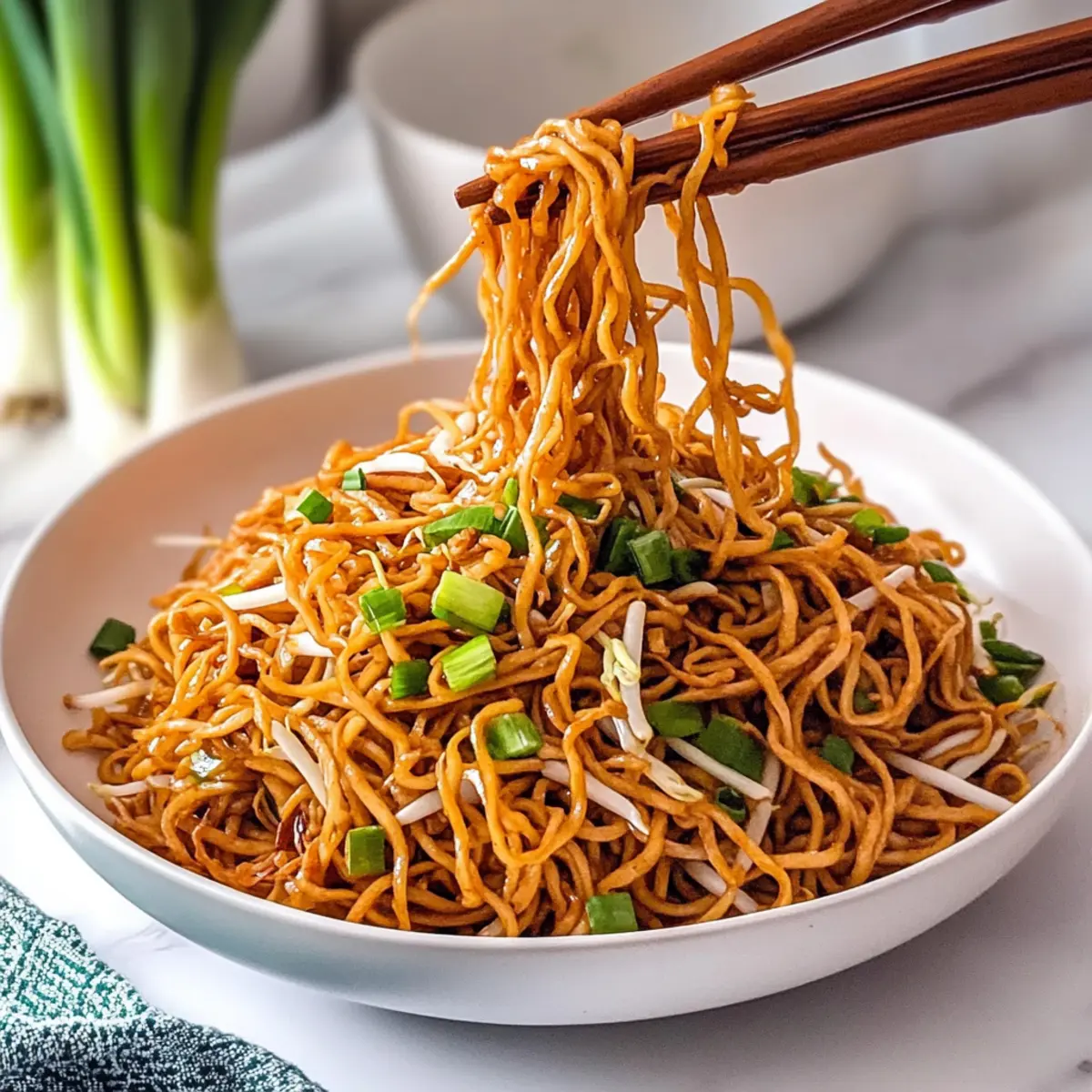
As I stood in my kitchen last week, the aroma of sizzling onions and savory sauces whisked me away to a bustling street market in Hong Kong. That’s when I realized that making authentic Cantonese Chow Mein right at home is not only possible, but it can also be done in just 15 minutes! This quick and easy recipe features crispy pan-fried egg noodles perfectly tossed in a sweet and savory soy sauce blend. With customizable options for both vegetarians and those seeking gluten-free alternatives, it’s a great choice for anyone craving a comforting bowl of Chinese noodles. Plus, it’s an effortless way to delight your family or friends with an impressive dish that rivals takeout! So, are you ready to whip up this delicious Chow Mein that will have everyone coming back for seconds?
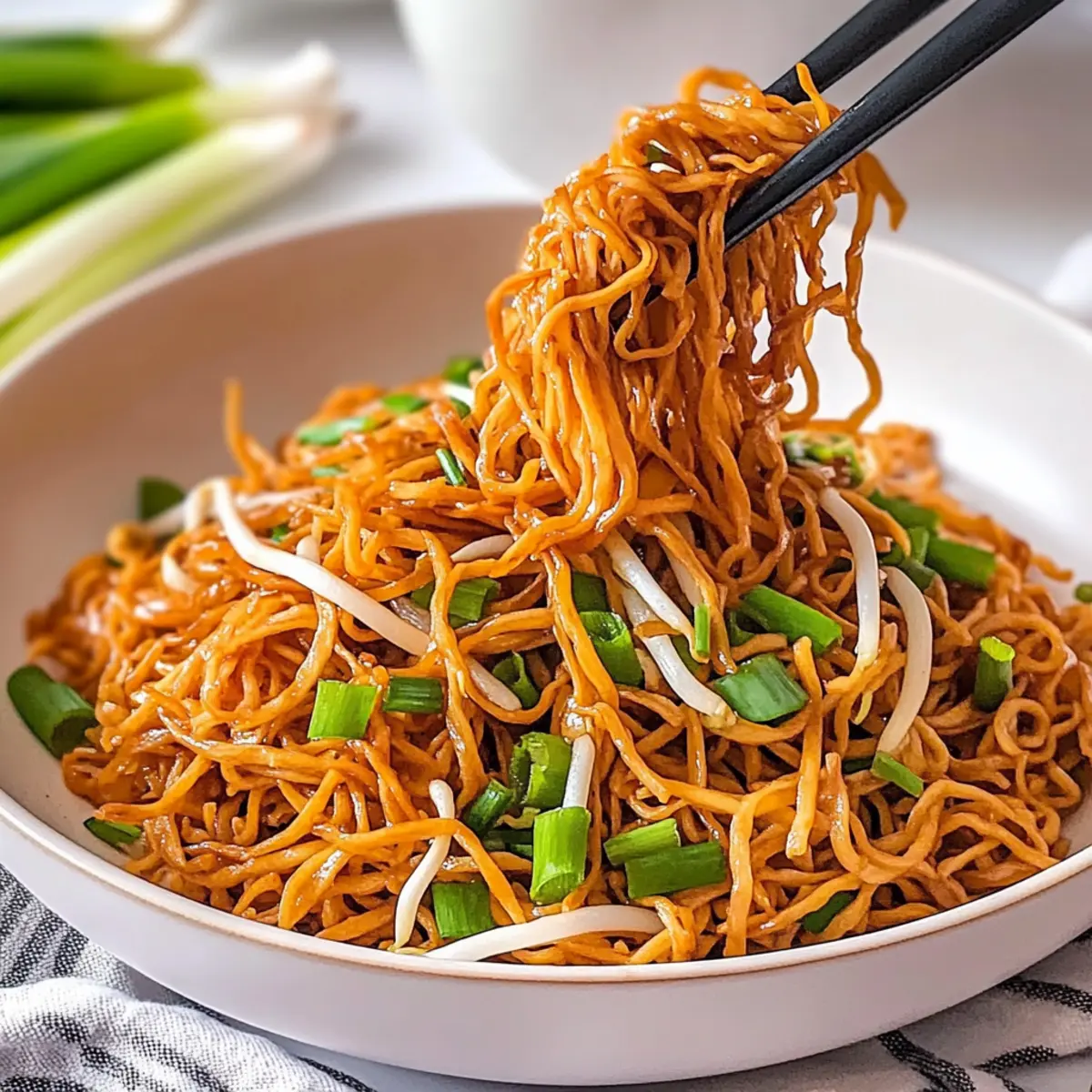
Why is Cantonese Chow Mein a Must-Try?
Flavorful, Authentic Taste: This easy Cantonese Chow Mein packs a punch with its sweet and savory sauce that dances on your taste buds.
30-Minute Magic: Spend just 15 minutes creating a dish that typically requires hours of prep—perfect for busy evenings!
Customize Your Bowl: Make it your own by adding protein, vegetables, or using gluten-free noodles, ensuring it suits everyone’s dietary preferences.
Crowd-Pleaser: Ideal for family dinners or gatherings, this recipe will impress your guests and leave them asking for more.
Wholesome Ingredients: Packed with nutrients from fresh veggies and hearty noodles, this meal is not just delicious but nourishing too.
For more quick meal ideas, check out our speedy weeknight dinners.
Chow Mein Ingredients
For the Noodles
• Chow Mein Egg Noodles – Use thin, fresh Hong Kong-style noodles for the best texture.
For the Aromatics
• Yellow Onion – Adds sweetness and depth; substitute with shallots or scallions for a milder flavor.
• Green Onions – Provides freshness and crunch; use both white and green parts for maximum flavor.
For the Veggies
• Bean Sprouts – Adds texture and a slight crunch; can substitute with shredded cabbage or snow peas.
For the Cooking Oils
• Corn Oil – Ideal for frying; any neutral oil like canola or vegetable oil works.
• Sesame Oil – A finishing oil that adds a nutty flavor; use toasted sesame oil for more depth.
For the Sauces
• Dark Soy Sauce – Provides color and rich flavor; substitute with additional regular soy sauce if unavailable.
• Regular Soy Sauce – Adds saltiness; low-sodium options can help reduce sodium intake.
• Oyster Sauce – Offers sweetness and umami depth; use mushroom sauce for a vegetarian alternative.
• Fish Sauce – Compliments the dish’s umami flavor; optional for strict vegetarians.
For the Sweetness
• Granulated Sugar – Balances flavors; honey or agave can work as substitutes.
• Water – Combines with sauces for mixing.
Explore this simple yet delightful Cantonese Chow Mein recipe that brings a taste of China right to your dinner table!
Step‑by‑Step Instructions for Cantonese Chow Mein
Step 1: Prepare Noodles
Start by soaking the chow mein egg noodles in a pot of boiling water for 30 seconds to 1 minute, just until they soften. Drain the noodles and set them aside, ensuring they don’t stick together; they should be pliable but not mushy, ready to crisp up beautifully in the next step.
Step 2: Mix Sauce
In a small bowl, combine the dark soy sauce, regular soy sauce, oyster sauce, fish sauce (if using), granulated sugar, and water. Whisk the mixture until the sugar is fully dissolved, creating a glossy sauce that will impart fantastic flavor to your Cantonese Chow Mein. Set it aside for later use.
Step 3: Sauté Aromatics
Heat 1 tablespoon of corn oil in a wok over medium-high heat. Once the oil shimmers, add the chopped yellow onions and the white parts of the green onions. Sauté for about 1 minute until they begin to soften and release their fragrant aroma, then remove them from the pan and set aside for later.
Step 4: Pan-fry Noodles
Add another tablespoon of corn oil to the hot wok, ensuring an even coat. Carefully spread the drained noodles across the bottom of the wok, allowing them to fry undisturbed for about 2 minutes. When the bottom begins to turn golden and crispy, flip the noodles gently to crisp the other side for another 2 minutes.
Step 5: Combine
Return the sautéed onions and white parts of the green onions back to the wok, along with the fresh bean sprouts. Slowly pour the prepared sauce over the crispy noodles, tossing everything gently to coat evenly. Stir-fry the mixture for 1 to 2 minutes; the noodles should absorb the sauce, and the bean sprouts will remain crisp.
Step 6: Serve
Once everything is thoroughly mixed and heated through, remove the wok from heat. Drizzle sesame oil over the Cantonese Chow Mein and give it a final toss to combine the flavors. Serve immediately while hot, allowing the golden noodles and vibrant vegetables to shine on your plate.
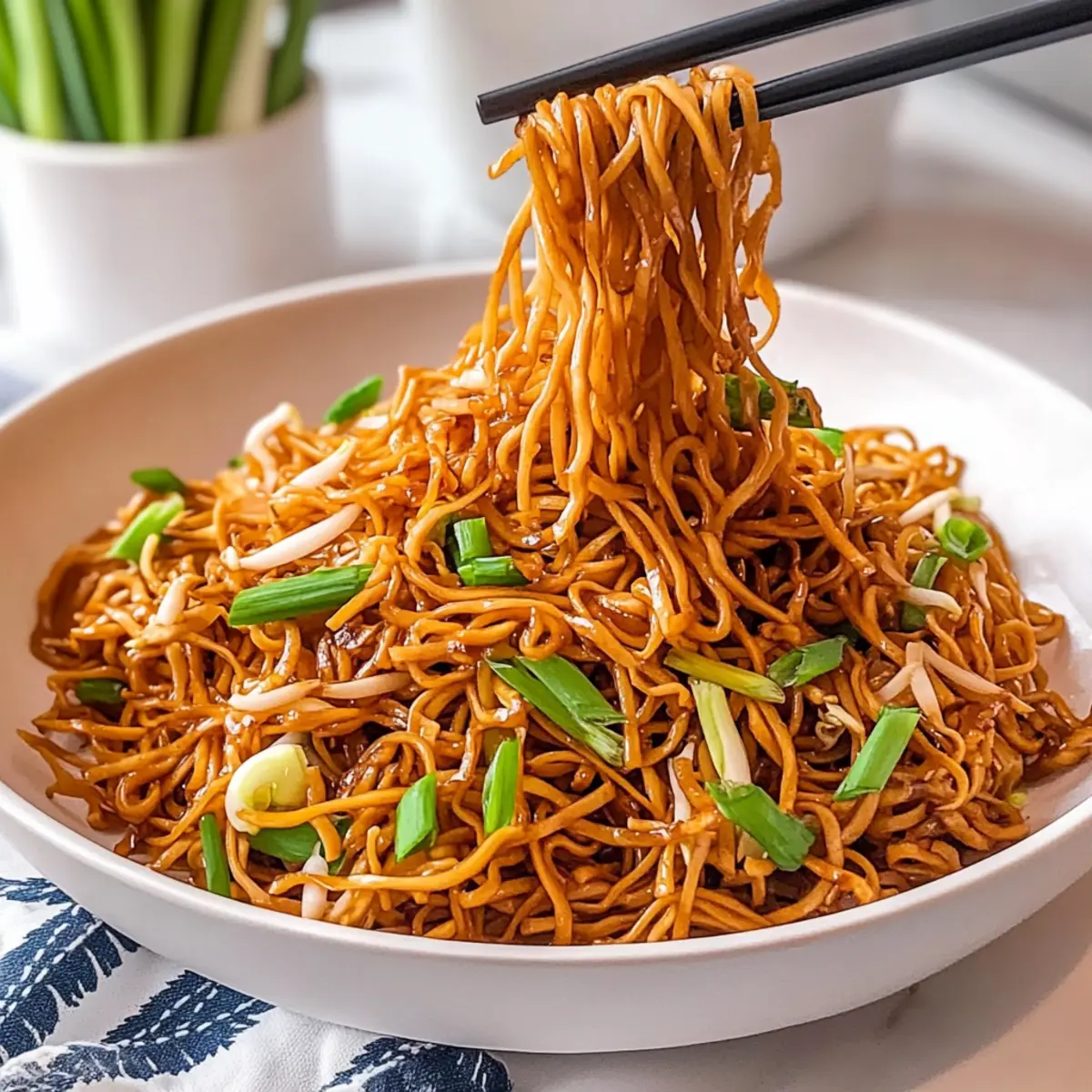
What to Serve with Cantonese Chow Mein?
Nothing completes a meal quite like the perfect accompaniment to balance delicious flavors and textures.
-
Creamy Egg Drop Soup: A warm, soothing bowl to start your meal, its silky texture beautifully contrasts the crispy noodles.
-
Spring Rolls: These crispy delights filled with veggies offer a crunchy bite that pairs well with the savory chow mein.
-
Garlic Broccoli: A vibrant, fresh side that adds a subtle crunch and garlicky kick, enhancing the overall flavor profile.
-
Steamed Dumplings: The soft, savory filling brings comfort and heartiness, making your meal feel more rounded and satisfying.
-
Sweet and Sour Chicken: For those who crave protein, this classic dish offers a perfect blend of sweet flavors that complement the savory chow mein.
-
Chilled Cucumber Salad: A refreshing, tangy salad that brings crispness and balance, making it a bright addition to your plate.
-
Jasmine Rice: The fluffy texture and delicate aroma of jasmine rice can soak up any extra sauce, elevating your meal’s experience.
-
Lychee Martini: A delightful, fruity drink that pairs well with the dish’s umami notes, creating an enjoyable dining adventure.
Indulge in these pairings to craft a truly memorable meal that your family will enjoy!
Chow Mein Variations & Substitutions
Feel free to let your creativity shine with these tasty adjustments and alternatives that will elevate your Chow Mein experience!
- Gluten-Free Noodles: Swap chow mein noodles for rice noodles or gluten-free pasta for a delightful alternative.
- Protein Enrichment: Boost the dish with shrimp, chicken, or tofu for added heartiness. Simply sauté your choice of protein before adding noodles.
- Veggie Boost: Include colorful bell peppers, crunchy sugar snap peas, or vibrant carrots for added nutrition and visual appeal. This not only enhances flavors but also brings a rainbow to your plate.
- Spicy Kick: Add red pepper flakes or a drizzle of sriracha to elevate the heat level for those who crave a spicy kick!
- Herb Twist: Incorporate fresh cilantro or Thai basil at the end for a fragrant finish that refreshes each bite. This brings complexity and an extra layer of flavor that you’ll savor.
- Sweet & Tangy: Mix in a splash of rice vinegar or lime juice for a zesty twist. The acidity brightens the dish and balances the richness beautifully.
- Nutty Flavor: Toss in some chopped peanuts or cashews for added crunch and a touch of nuttiness. They introduce a satisfying texture that contrasts wonderfully with the tender vegetables.
Explore even more variations or discover methods for perfectly tender protein in your next masterpiece! Enjoy your culinary journey with this quick and satisfying meal.
Expert Tips for Cantonese Chow Mein
- Crispy Perfection: Ensure noodles are spread evenly in the pan to achieve that delightful crispiness. Avoid overcrowding the wok!
- Quick Crunch: Don’t overcook the bean sprouts; they should retain their crunch to provide texture against the crispy noodles.
- Wok Technique: If you have a wok, use it! The shape helps achieve a better fry than a regular skillet. A large non-stick skillet is a good alternative!
- Sauce Balance: Adjust the sugar in the sauce based on your preference for sweetness, particularly if using sweeter vegetables or sauces.
- Storage Savvy: Leftovers can last in the fridge for up to 3 days. Reheat in a wok for the best texture; avoid the microwave if you can!
Enjoy your delicious homemade Cantonese Chow Mein, packed with wonderful flavor and made just the way you like it!
Make Ahead Options
These Cantonese Chow Mein are an ideal candidate for meal prep, saving you precious time on busy weeknights! You can prepare the sauce and soak the chow mein noodles up to 24 hours in advance; simply keep the sauce in an airtight container in the fridge to maintain its flavor. Additionally, you can chop the onions and green onions, refrigerating them until it’s time to cook. When you’re ready to serve, just revisit your prepped components: sauté the aromatics, pan-fry the noodles for that essential crispiness, and toss everything together with the sauce for a dish just as delicious as if it were freshly made!
How to Store and Freeze Cantonese Chow Mein
Fridge: Leftover Cantonese Chow Mein can be stored in an airtight container in the refrigerator for up to 3 days. Ensure it’s cool before sealing to maintain freshness.
Freezer: For longer storage, freeze the chow mein in an airtight container for up to 3 months. Thaw it overnight in the fridge before reheating.
Reheating: Reheat in a wok over medium heat for the best texture, stirring occasionally, until heated through. Avoid the microwave if possible to prevent sogginess.
Room Temperature: It’s best to consume chow mein within 2 hours of cooking if left at room temperature to ensure food safety.
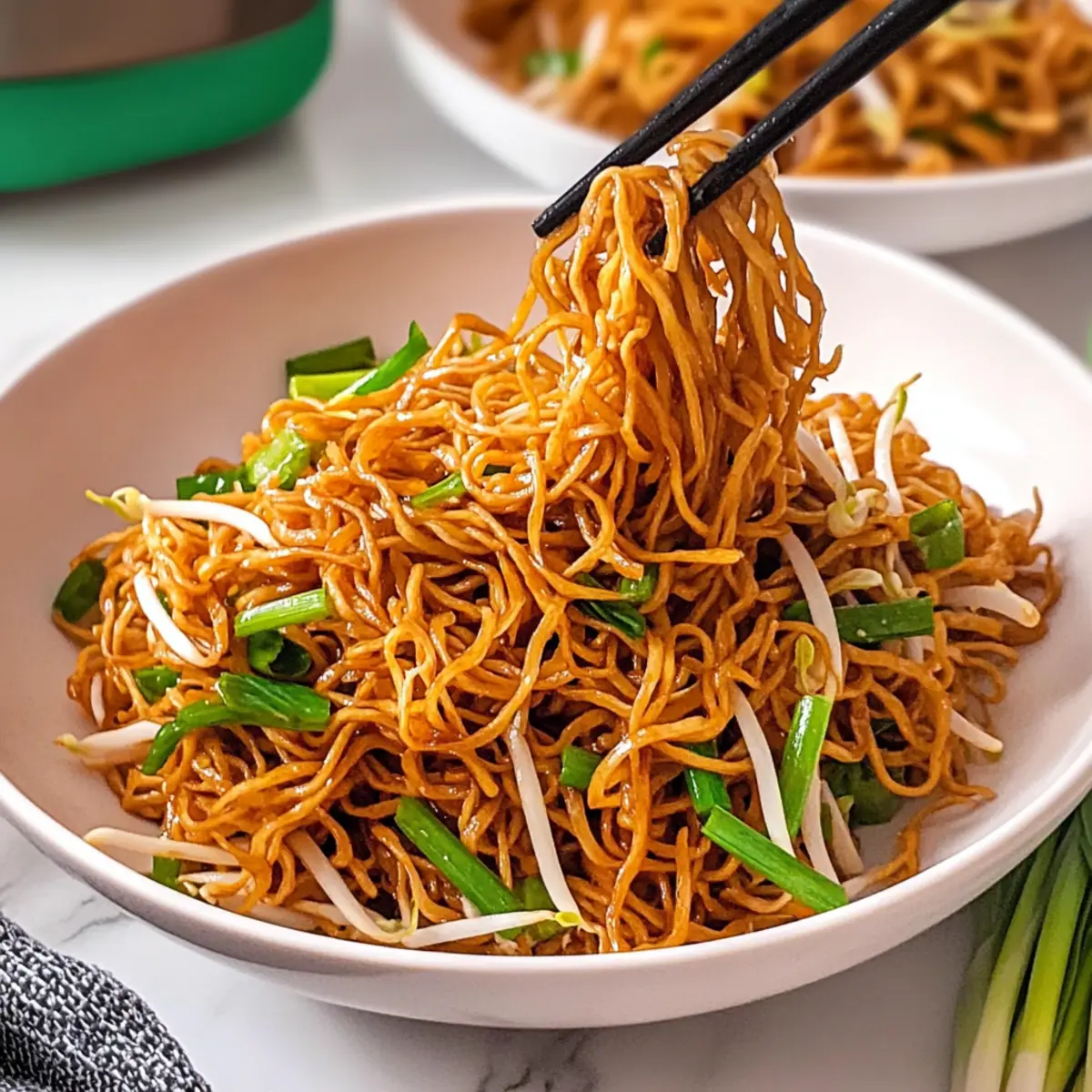
Cantonese Chow Mein Recipe FAQs
What type of noodles are best for Cantonese Chow Mein?
For the best texture, I recommend using thin, fresh Hong Kong-style egg noodles. They provide the right balance of chewiness and crispiness. If you want a gluten-free option, rice noodles can be used instead!
How should I store leftover Cantonese Chow Mein?
Store leftovers in an airtight container in the refrigerator for up to 3 days. Make sure to let it cool to room temperature before sealing to maintain freshness. Reheat in a wok for optimal texture.
Can I freeze Cantonese Chow Mein?
Absolutely! You can freeze the chow mein in an airtight container for up to 3 months. When you’re ready to enjoy, thaw it overnight in the fridge. To reheat, use a wok over medium heat, stirring occasionally. This way, you’ll avoid any sogginess!
What if my noodles don’t get crispy?
If your noodles aren’t getting crispy, make sure you’re spreading them evenly in the pan and not overcrowding it. Give them enough time without stirring in the frying stage and consider increasing the heat slightly. Remember, the key is to let them fry undisturbed for a couple of minutes on each side.
Can I make this dish vegetarian?
Yes! This recipe can easily be made vegetarian. Simply substitute oyster sauce with mushroom sauce or a soy sauce alternative, and omit the fish sauce if desired. You can add more veggies like bell peppers, carrots, or tofu for additional protein and flavor!
Easy Cantonese Chow Mein: Crispy Noodles in 15 Minutes
Ingredients
Equipment
Method
- Soak the chow mein egg noodles in a pot of boiling water for 30 seconds to 1 minute, then drain and set aside.
- In a small bowl, combine the dark soy sauce, regular soy sauce, oyster sauce, fish sauce, granulated sugar, and water. Whisk until dissolved.
- Heat 1 tablespoon of corn oil in a wok over medium-high heat. Sauté the yellow onions and white parts of green onions for about 1 minute, then set aside.
- Add another tablespoon of corn oil, spread the drained noodles in the wok, and pan-fry for about 2 minutes until the bottom is golden and crispy. Flip and fry the other side for another 2 minutes.
- Return the sautéed onions and green onions to the wok with the bean sprouts. Pour the prepared sauce over the noodles, tossing gently. Stir-fry for 1 to 2 minutes until mixed.
- Remove from heat, drizzle with sesame oil, toss to combine, and serve hot.