As I stood by the stove, the sweet and spicy aroma of marinating beef enveloped my kitchen, instantly transporting me to my favorite Japanese grill. Beef Yakiniku isn’t just another meal; it’s a delightful whirlwind of flavors and textures that can elevate any weeknight dinner. This quick dinner idea showcases tender, caramelized steak that pairs beautifully with rice and fresh veggies—making it the kind of dish that invites compliments from family and friends alike. Plus, with a gluten-free option available, everyone can enjoy this Japanese-inspired delight, ensuring no one feels left out. Hungry for a flavorful experience? Let’s dive into the mouthwatering world of Beef Yakiniku together!

Why is Beef Yakiniku a must-try?
Quick preparation: This recipe delivers a full-flavored meal in under 30 minutes, perfect for busy weeknights. Rich flavors: The combination of savory soy sauce, sweet mirin, and spicy gochujang creates a deliciously complex taste that will have everyone coming back for seconds. Customizable: Want to switch things up? Add your favorite vegetables or substitute the beef to fit your cravings. Family-friendly: With a balance of protein and fresh ingredients, this dish is sure to satisfy both adults and kids alike. Plus, it’s ideal for any dietary needs, as you can easily make it gluten-free with a simple swap—check out more ideas on Beef Yakiniku Flavor. Get ready to impress your loved ones with this Japanese-inspired grilled goodness!
Beef Yakiniku Ingredients
For the Marinade
- Low-Sodium Light Soy Sauce – 80 ml (⅓ cup); this adds the essential umami flavor that defines Beef Yakiniku.
- Gochujang – ½ tbsp; brings a lovely heat and depth that perfectly complements the sweetness.
- Mirin – 1 tbsp; sweetens the marinade while adding a delightful complexity.
- Minced Ginger – 2 tsp; enhances the flavor with a fragrant aroma that brightens the dish.
- Garlic Powder – ½ tsp or Garlic Paste – 1 tsp; use fresh for a punchier taste.
- Sesame Oil – 1 tbsp; lends a nutty aroma enhancing the overall flavor profile.
- Light Brown Sugar – 4 tbsp; helps with caramelization and adds just the right touch of sweetness.
For the Steak
- Flank or Skirt Steak – 750 g (1.65 lbs); provides protein and should be sliced thinly against the grain for optimal tenderness.
- Neutral Oil – 1 tbsp (e.g., avocado or rapeseed); used for cooking, choose a high-smoke point oil for best results.
Enjoy crafting your Beef Yakiniku with these thoughtfully selected ingredients!
Step‑by‑Step Instructions for Beef Yakiniku
Step 1: Prepare Marinade
In a large mixing bowl, combine 80 ml of low-sodium light soy sauce, ½ tablespoon of gochujang, 1 tablespoon of mirin, 2 teaspoons of minced ginger, and ½ teaspoon of garlic powder. Add 1 tablespoon of sesame oil and 4 tablespoons of light brown sugar to this mixture. Whisk everything together until the sugar dissolves, creating a fragrant marinade that sets the foundation for your delicious Beef Yakiniku.
Step 2: Marinate Steak
Take your 750 g flank or skirt steak, slicing it thinly against the grain for enhanced tenderness. Add the sliced beef to the marinade, ensuring each piece is thoroughly coated. Cover the bowl with plastic wrap and refrigerate for at least 2 hours, allowing the flavors to meld beautifully into the beef, which will make every bite bursting with flavor.
Step 3: Preheat Pan
Once the beef has marinated, it’s time to bring the heat! Preheat a wok over high heat until it starts to smoke slightly, which usually takes about 5 minutes. While the wok heats up, warm a serving bowl in the oven to serve your Beef Yakiniku later, ensuring it stays hot and inviting when you’re ready to enjoy this delectable dish.
Step 4: Cook Steak
Add half of the marinated beef to the hot wok in a single layer, ensuring not to overcrowd the pan for best results. Sear the beef for about 3 minutes or until it takes on a nice brown color. Afterward, stir the meat and continue to cook for another 2-3 minutes until it’s browned and crispy on the edges, then transfer the cooked beef to the warm serving bowl. Repeat this with the remaining beef for a perfectly cooked second batch.
Step 5: Garnish and Serve
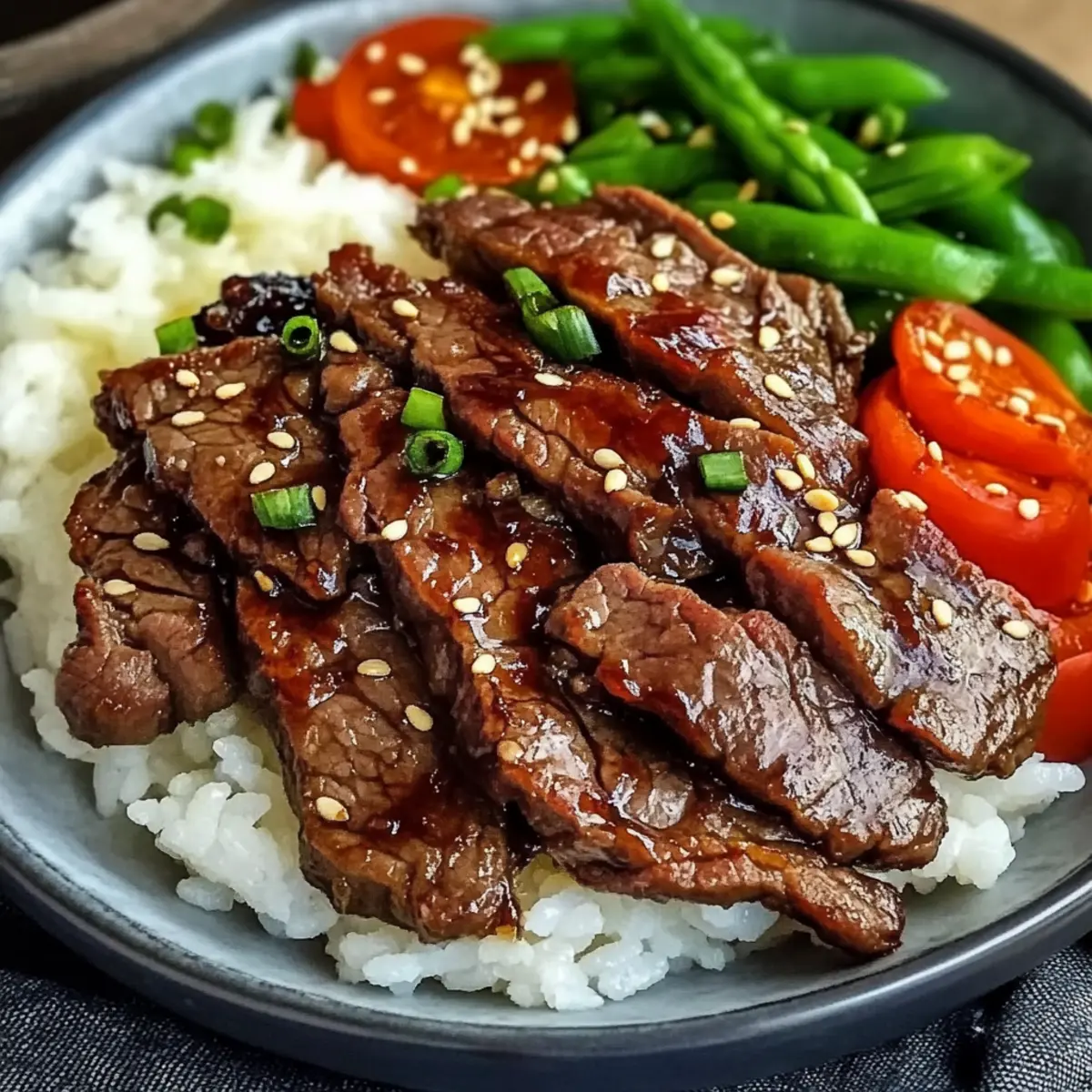
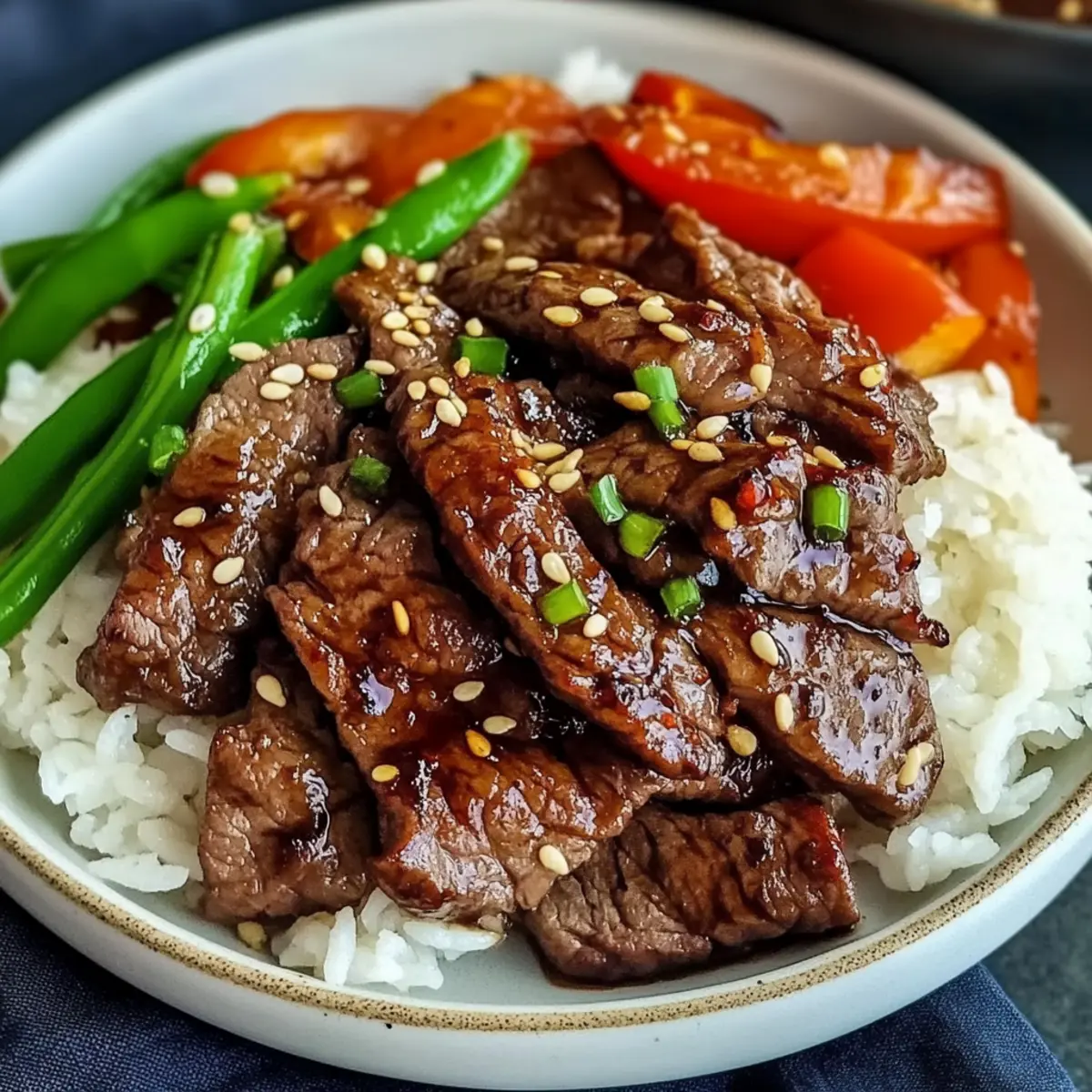
Once all the Beef Yakiniku is cooked, sprinkle sesame seeds generously on top for added crunch and flavor. For a complete meal, serve the beef with a side of steamed rice and some fresh chopped vegetables, like cucumber and tomato. This vibrant arrangement not only pleases the eyes but also complements the rich, savory flavor of the Beef Yakiniku beautifully.

Make Ahead Options
Beef Yakiniku is perfect for meal prep enthusiasts! You can marinate the beef up to 24 hours in advance, as this allows the flavors to infuse deeply into every tender piece. To do this, simply follow the marinade instructions, cover the bowl tightly, and refrigerate until you’re ready to cook. For best results, slice the beef thinly against the grain and keep it well-coated to maintain its quality. When you’re ready to serve, just preheat your wok and cook the marinated beef for about 5-6 minutes until browned and crispy—your family will enjoy restaurant-quality results with minimal effort!
Beef Yakiniku Variations & Substitutions
Feel free to explore creative twists on Beef Yakiniku to suit your taste and dietary needs!
- Sirloin Swap: Replace flank steak with sirloin for a richer, beefier flavor, perfect for steak lovers.
- Mushroom Power: Add sliced shiitake or button mushrooms for an earthy touch that enhances the umami profile. These mushrooms soak up the marinade beautifully, adding both flavor and texture.
- Spice Up: Toss in some red pepper flakes or drizzle with sriracha for an extra kick of heat that will awaken your senses.
- Coconut Aminos: Use coconut aminos instead of soy sauce for a soy-free, gluten-free marinade that still delivers depth and flavor. This can be a great alternative for those following specific diets.
- Caramelized Veggies: Incorporate colorful bell peppers and sliced onions in the stir-fry for added nutrition and vibrant presentation. The sweet caramelization of these vegetables complements the savory beef perfectly.
- Rice Vinegar Mix: In a pinch, mix sugar with rice vinegar instead of mirin to achieve a similar sweet acidity, allowing flexibility in finding the right ingredients. It’s a quick solution for pantry changes!
- Herb Infusion: Experiment by adding fresh herbs like cilantro or green onions right before serving for a refreshing burst of flavor that brightens the dish. They provide a lovely contrast to the rich beef.
- Sweet and Spicy Glaze: Mix in a bit of honey with the marinade for a sweeter glaze that balances out the savory components beautifully. This sweetness can make it irresistible for kids!
As you dive into these variations, remember that customizing your Beef Yakiniku can turn it into an exciting culinary adventure. Need more flavor inspiration? Discover additional ideas in our delightful Beef Yakiniku Flavor guide and enhance your cooking experience!
How to Store and Freeze Beef Yakiniku
Fridge: Store any leftover Beef Yakiniku in an airtight container in the refrigerator for up to 3 days to maintain its flavor and texture.
Freezer: For longer storage, freeze the cooked beef in a tightly sealed bag or container for up to 2 months. Thaw in the fridge before reheating.
Reheating: To reheat, warm the beef gently in a pan over low heat or in the microwave. Adding a splash of water can help retain moisture, ensuring the Beef Yakiniku remains tender.
Make-Ahead Tip: You can marinate the beef and keep it in the fridge for up to 24 hours prior to cooking, enhancing the flavor even more!
Expert Tips for Beef Yakiniku
- Slicing Technique: Always slice the beef thinly against the grain. This ensures tenderness and enhances the overall mouthfeel of your Beef Yakiniku.
- Marination Time: While 2 hours is sufficient, marinating the beef overnight can deepen the flavors significantly—perfect for meal prep!
- High Heat: Execute cooking over high heat to achieve that signature caramelization. Avoid overcrowding the pan; this prevents steaming and ensures a crispy texture.
- Vegetable Add-ins: Don’t hesitate to customize your dish by adding colorful vegetables like bell peppers and onions. They not only provide nutrition but also complement the main flavors beautifully.
- Serving Suggestions: Serve with jasmine rice or a fresh salad to balance the richness of the beef, making your family meal wholesome and satisfying.
What to Serve with Beef Yakiniku?
Elevate your dining experience with delightful sides that complement this flavorful beef dish in every bite.
-
Steamed Jasmine Rice: A classic pairing that absorbs the delicious marinade, creating a harmonious blend of flavors.
-
Fresh Cucumber Salad: The crispness of cucumbers lends a refreshing crunch, balancing the hearty beef perfectly.
-
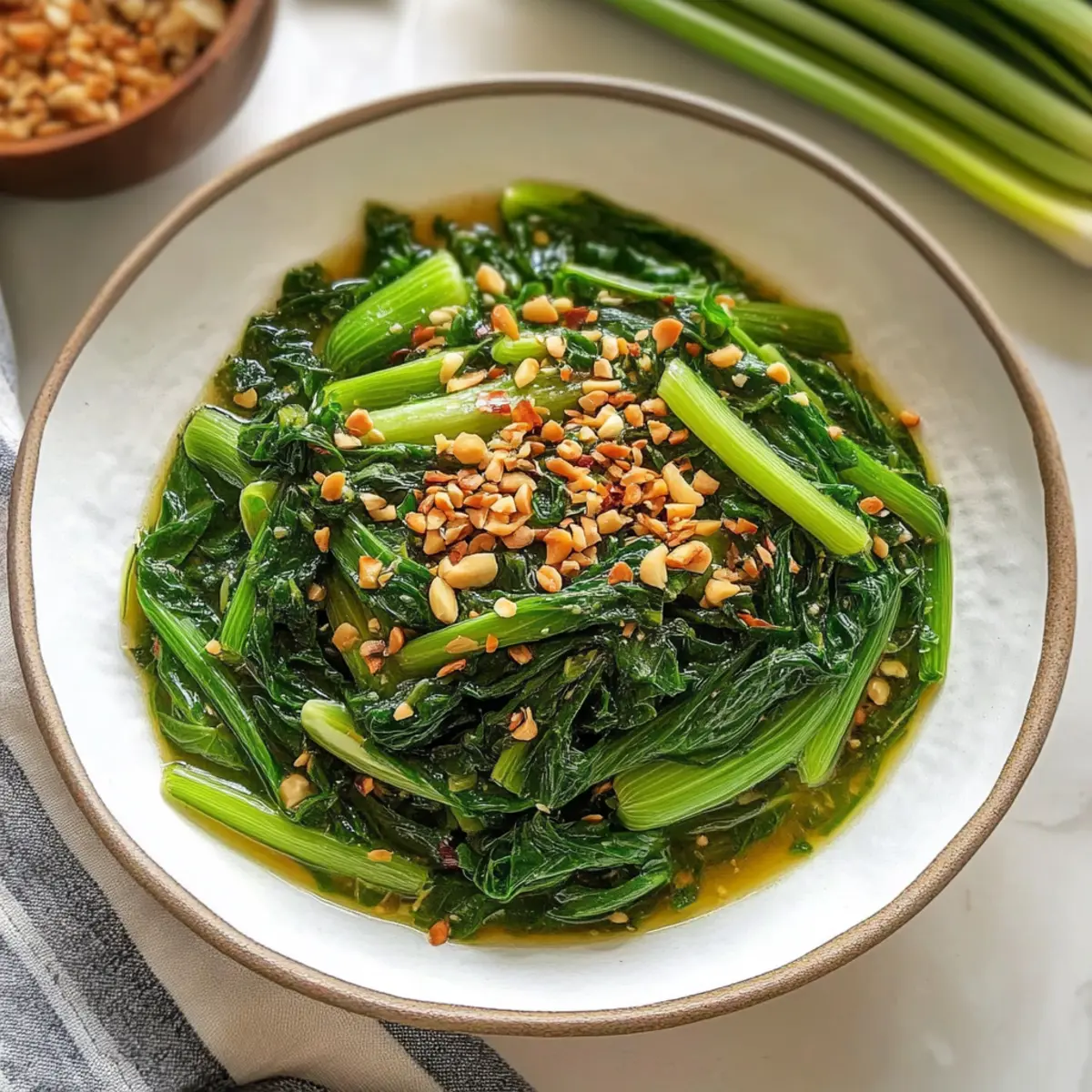
Sautéed Bok Choy: The tender greens soak up the savory essence, providing a lovely texture to contrast with the beef.
-
Japanese Pickles: Their tangy sweetness cuts through the richness, enhancing each mouthful of Yakiniku.
-
Miso Soup: A warm, umami-packed soup to start your meal—great for comforting the soul and perfect on cooler evenings.
-
Spicy Radish Kimchi: Adds a delightful kick and bold flavors that will excite your taste buds, making the meal unforgettable.
-
Cold Brewed Green Tea: A soothing drink that refreshes the palate while pairing beautifully with the savory notes of the dish.
-
Mochi Ice Cream: Finish your dinner with a sweet treat—these chewy, creamy desserts add a delightful twist to your meal.
Beef Yakiniku Recipe FAQs
How do I select the best steak for Beef Yakiniku?
Absolutely! When choosing steak for Beef Yakiniku, look for flank or skirt steak, as they are both flavorful and tender. Ensure the meat is bright red with minimal dark spots. If you’re in a pinch, sirloin or ribeye can also make great substitutes for varying richness.
How should I store leftover Beef Yakiniku?
To keep your leftover Beef Yakiniku fresh, store it in an airtight container in the refrigerator. It will be good for up to 3 days. When ready to enjoy, simply reheat it in a skillet or microwave to maintain its tender texture.
Can I freeze Beef Yakiniku, and how do I do it?
Very! To freeze Beef Yakiniku, allow the cooked beef to cool completely after cooking. Then, place it in a tightly sealed freezer bag—be sure to squeeze out as much air as possible—to prevent freezer burn. It can last up to 2 months in the freezer. When ready to use, thaw it in the refrigerator overnight before reheating gently.
What can I do if my Yakiniku beef comes out tough?
If your Beef Yakiniku ends up tough, it’s likely due to not slicing the meat properly or overcooking it. Ensure you slice against the grain to break up the fibers. For future reference, marinating the beef overnight can also do wonders for tenderness! Always aim to cook it over high heat for just the right amount of time—around 5-6 minutes total should do the trick, depending on the thickness of your slices.
Are there any dietary considerations for my Beef Yakiniku?
Yes! For gluten-free options, substitute low-sodium soy sauce with tamari or coconut aminos, both of which retain that umami flair without the gluten. If cooking for someone with allergies, double-check all ingredients, particularly any marinades, to ensure they are safe.
Can I add vegetables to my Beef Yakiniku?
Very good question! Yes, you can absolutely add vegetables like sliced bell peppers, onions, or mushrooms to your Beef Yakiniku. It not only enhances the nutritional profile but also makes the dish more colorful and visually appealing. Simply toss them in the wok with the beef during the last few minutes of cooking!
Beef Yakiniku: Quick, Tender Grilled Goodness You’ll Love
Ingredients
Equipment
Method
- In a large mixing bowl, combine all marinade ingredients and whisk until the sugar dissolves.
- Slice the steak thinly against the grain and add it to the marinade. Refrigerate for at least 2 hours.
- Preheat a wok over high heat until smoking. Warm a serving bowl in the oven.
- Add half the marinated beef to the wok, sear for about 3 minutes, then stir and cook for another 2-3 minutes until browned.
- Transfer the cooked beef to the warm serving bowl and repeat with the remaining beef.
- Garnish with sesame seeds and serve with steamed rice and fresh veggies.